
Rescue dogs often carry emotional scars from their past—abandonment, neglect, or instability can leave deep imprints on their behavior. One of the most common challenges adopters face is separation anxiety. It manifests as destructive chewing, incessant barking, pacing, or even house soiling when left alone. While it may seem overwhelming, the right approach can significantly reduce symptoms—and sometimes resolve them—within weeks. The key lies in understanding the root causes, creating safety, and building confidence through structured training.
Understanding Separation Anxiety in Rescue Dogs
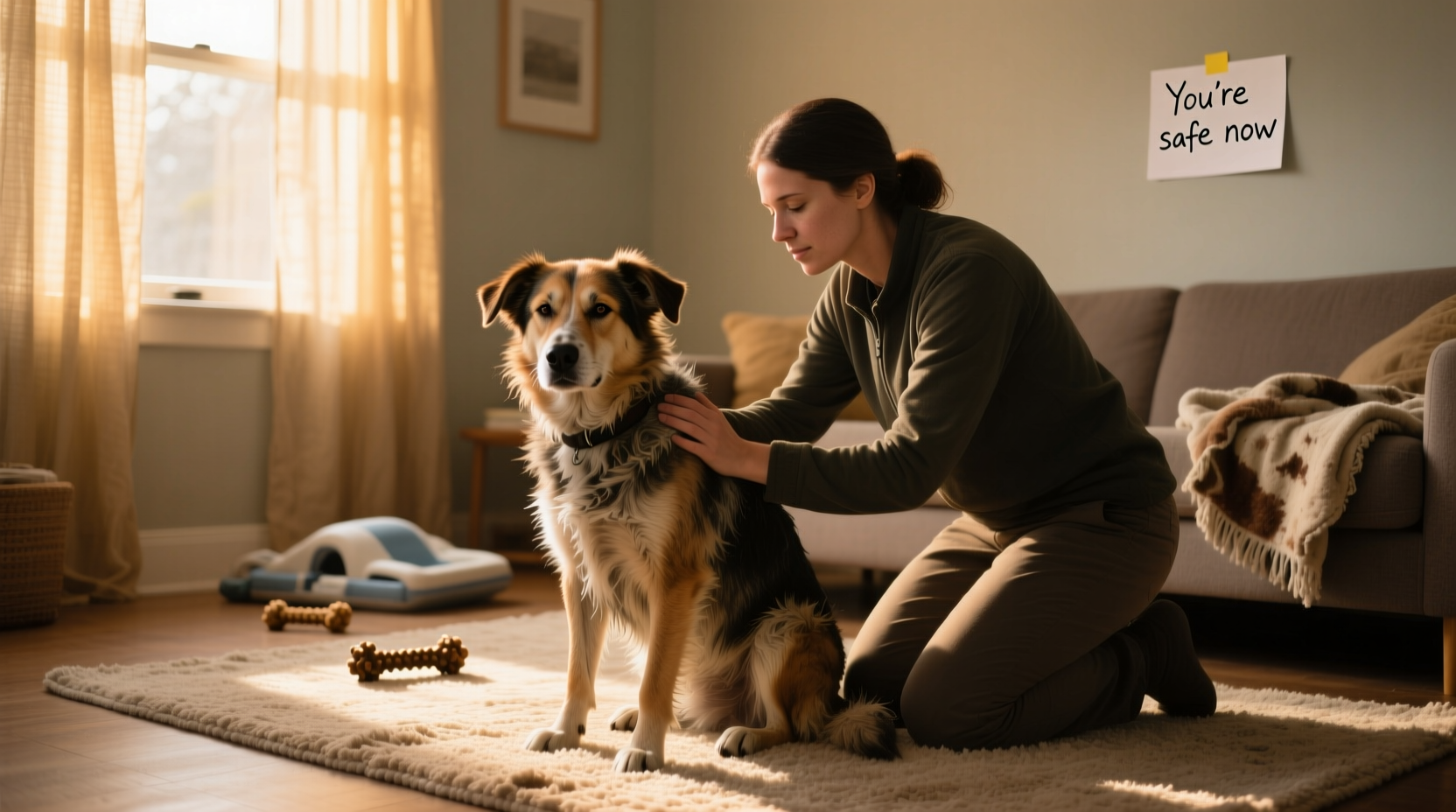
Separation anxiety isn't simply boredom or poor manners—it's a genuine psychological response to fear of abandonment. For rescue dogs, this fear is often rooted in real-life experiences. A dog who was once left behind or surrendered may associate solitude with danger. This triggers a stress response that overrides learned behaviors, no matter how well-trained the dog appears when you're present.
Symptoms typically begin shortly after the owner leaves and include:
- Excessive vocalization (barking, howling)
- Destructive behavior focused on exit points (doors, windows)
- Pacing or repetitive movements
- Attempts to escape
- Urination or defecation indoors despite being house-trained
- Refusal to eat or drink when alone
It’s important to distinguish true separation anxiety from other issues like incomplete housetraining or under-stimulation. A dog with separation anxiety shows distress specifically tied to the owner’s departure, not just general misbehavior.
“Rescue dogs don’t need perfection—they need patience. Their anxiety is not defiance; it’s communication.” — Dr. Karen Overall, Veterinary Behaviorist
Immediate Calming Strategies You Can Apply Today
While long-term recovery takes time, several evidence-based techniques can help reduce acute anxiety within days. These are not cures but tools to create immediate relief and set the stage for deeper healing.
1. Create a Safe Zone
Designate a quiet, secure area where your dog feels protected. Use a crate, gated room, or cozy corner with familiar bedding, toys, and your scent (an unwashed T-shirt works well). Introduce this space while you’re home so it becomes associated with comfort, not isolation.
2. Use Calming Aids Strategically
Supplements and environmental tools can lower baseline stress levels:
- Adaptil diffusers: Release synthetic dog-appeasing pheromones shown to reduce anxiety in 70% of cases within two weeks.
- L-theanine or CBD oil: Natural supplements that promote relaxation (consult your vet before use).
- White noise or calming music: Classical or specially designed dog playlists can mask triggering outdoor sounds.
3. Practice “Departure Cues” Without Leaving
Dogs learn to anticipate your departure by cues like picking up keys, putting on shoes, or grabbing your bag. To break this association, perform these actions randomly throughout the day without leaving. Pick up your keys, walk to the door, then sit back down. Put on your coat, pour a coffee, take it off. Over time, these cues lose their predictive power.
Step-by-Step Training Plan for Lasting Relief
True recovery requires systematic desensitization—a process of gradually increasing alone time while keeping the dog below their anxiety threshold. Follow this 4-week timeline for best results:
- Week 1: Build Confidence at Home
Spend extra time bonding through calm activities like grooming, massage, or quiet reading nearby. Begin feeding meals in the safe zone. Practice short absences: step outside for 10 seconds, return calmly. Repeat 5–10 times daily. - Week 2: Increase Duration Gradually
Extend absences to 30 seconds, then 1 minute, then 2. Always wait until your dog is relaxed before returning. If they pace or whine, you’ve gone too far—shorten the next attempt. Use a pet camera to monitor behavior. - Week 3: Add Complexity
Simulate full departure routines: put on shoes, pick up keys, open the door, step out, close it, come back immediately. Progress to 5-minute absences. Offer a food-stuffed toy (like a Kong with frozen peanut butter) only during these sessions. - Week 4: Test Independence
Aim for 15–20 minutes alone. If successful, increase in 5-minute increments. Avoid jumping to long durations—even a single panic episode can reset progress.
Consistency is critical. Train daily, ideally twice a day. Missed sessions slow progress; pushing too fast can cause regression.
Do’s and Don’ts: Quick Reference Table
| Do’s | Don’ts |
|---|---|
| Practice short, successful absences daily | Leave for hours before training begins |
| Use a consistent cue (e.g., “I’ll be back”) before leaving | Use anxious or apologetic tones when departing |
| Provide engaging chew toys only during alone time | Leave accessible items that encourage destruction (shoes, trash) |
| Gradually increase alone time by no more than 2–5 minutes per session | Rush progress to meet your schedule |
| Consult a vet or behaviorist if no improvement in 4 weeks | Assume the dog will “grow out of it” without intervention |
Real Example: Luna’s Transformation
Luna, a 3-year-old Border Collie mix, was adopted after living in a shelter for five months. Within days, her new owner noticed she shredded curtains and howled within minutes of being left alone. Initial attempts to “tire her out” with long walks failed—the anxiety persisted.
Following a structured plan, Luna’s owner began by feeding her in a crate lined with a shirt that smelled like them. They practiced “fake departures” multiple times a day. Absences started at 10 seconds, progressing slowly. By week three, Luna accepted 10-minute alone periods with a stuffed Kong. At six weeks, she could stay alone for 45 minutes without distress.
The turning point was consistency. Even on busy days, the family never skipped training. They also used an Adaptil diffuser and avoided reinforcing clingy behavior. Today, Luna rests calmly when alone and greets her owners with quiet joy—not frantic desperation.
“Dogs don’t heal through repetition alone—they heal through predictable kindness.” — Sophia Yin, DVM, Animal Behavior Specialist
Essential Checklist for Success
Use this checklist weekly to track your progress and ensure nothing is overlooked:
- ✅ Designated safe space established and positively associated
- ✅ Departure cues being practiced without actual leaving
- ✅ Daily short absence training completed
- ✅ Calming aids (diffuser, music, supplement) in regular use
- ✅ No punishment for accidents or anxiety behaviors
- ✅ Feeding or treat toys reserved exclusively for alone time
- ✅ Monitoring system (camera or neighbor check-in) in place
- ✅ Consultation scheduled with vet or trainer if no improvement by week 4
Frequently Asked Questions
Can I leave my rescue dog alone at all during treatment?
Yes, but with limits. During active training, absences should not exceed your dog’s current tolerance—often just minutes at first. For longer workdays, arrange midday visits, doggy daycare, or hire a pet sitter. Never force extended isolation before readiness; it undermines trust and delays healing.
How long does it take to fix separation anxiety?
Most dogs show noticeable improvement within 3–4 weeks of consistent training. Full resolution typically takes 2–6 months. Severe cases may require professional behavior modification or medication. Progress isn’t linear—expect occasional setbacks, especially during life changes.
Is medication necessary for separation anxiety?
Not always, but it can be a valuable tool in moderate to severe cases. SSRIs like fluoxetine (Reconcile) are commonly prescribed and can stabilize mood enough for training to be effective. Medication should complement, not replace, behavioral work. Always consult a veterinarian or veterinary behaviorist before starting any drug regimen.
Conclusion: Building Trust One Step at a Time
Calming separation anxiety in a rescue dog isn’t about quick fixes—it’s about rebuilding trust shattered by loss. Every small step you take, from ignoring departure cues to mastering 30-second absences, tells your dog they are safe, valued, and not alone. The journey demands patience, but the reward is profound: a once-anxious dog learning to rest in peace, secure in the knowledge that you will return.
Start today. Pick one strategy—create a safe zone, practice fake departures, or begin the 10-second exit. Small actions compound into transformation. Your dog is watching, waiting, hoping. Show them they’re home for good.




 浙公网安备
33010002000092号
浙公网安备
33010002000092号 浙B2-20120091-4
Comments
No comments yet. Why don't you start the discussion?