
Carrying a backpack is second nature for millions—students, commuters, hikers, and professionals alike rely on them daily. But when done incorrectly, this everyday habit can lead to shoulder strain, neck tension, poor posture, and even long-term musculoskeletal issues. The good news: with the right techniques and awareness, you can carry your backpack comfortably and safely. This guide breaks down practical, science-backed strategies to protect your body while staying mobile and organized.
Understand the Risks of Improper Backpack Use
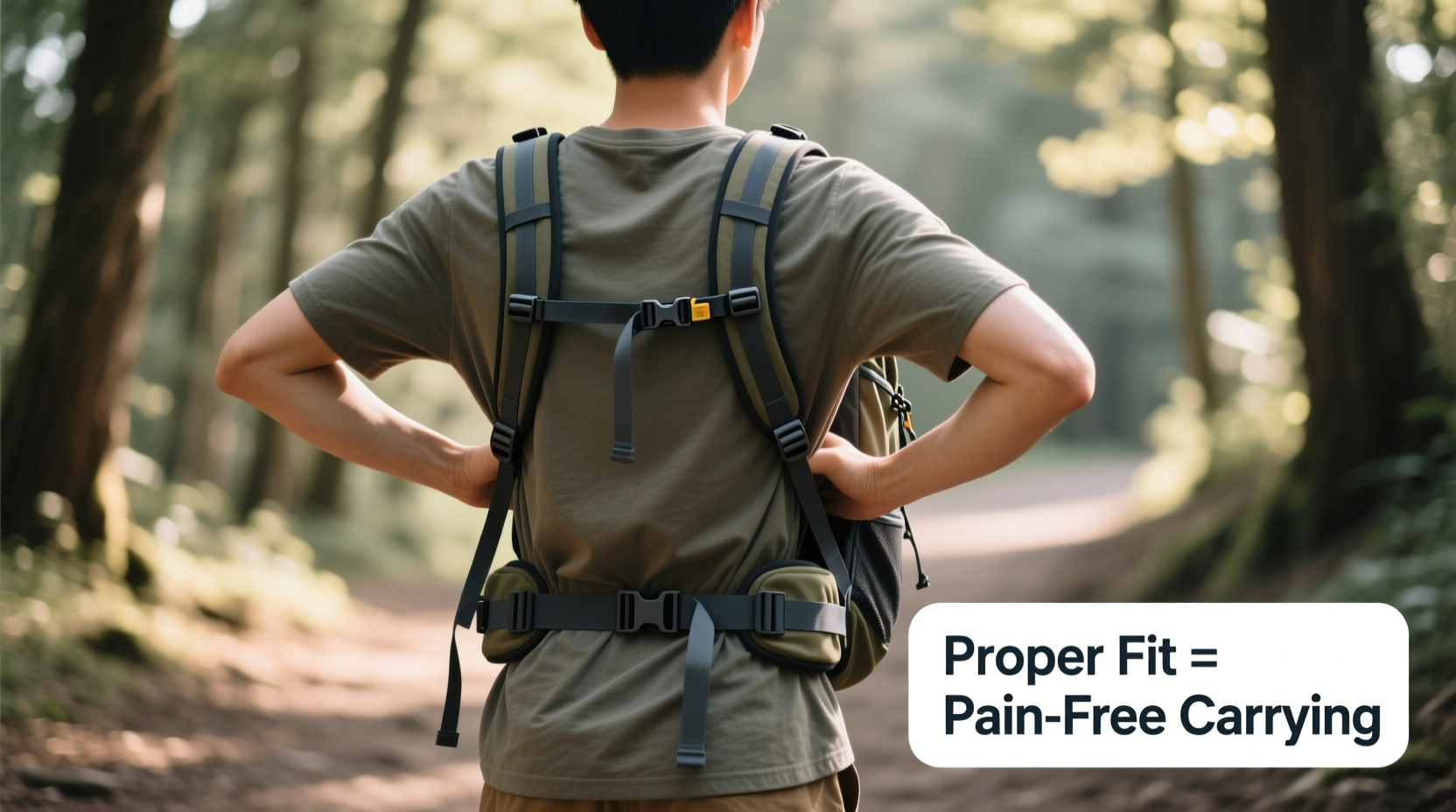
Backpacks are designed to distribute weight across the strongest parts of your body—the back and hips. However, many people overload their packs or wear them improperly, shifting stress onto the shoulders and upper spine. According to the American Academy of Orthopaedic Surgeons (AAOS), backpacks should not exceed 10–15% of a person’s body weight. Exceeding this limit increases compression on spinal discs and strains muscles that weren’t meant to bear heavy loads over time.
Common symptoms of improper backpack use include:
- Persistent shoulder grooves or redness from straps
- Numbness or tingling in arms and hands
- Chronic neck or upper back pain
- Forward head posture or rounded shoulders
- Limited range of motion in the shoulders
Ignoring these signs may lead to postural imbalances that take months—or years—to correct. The solution starts not with abandoning your backpack, but with optimizing how you use it.
Choose the Right Backpack for Your Body and Needs
Not all backpacks are created equal. A well-designed pack supports your spine, keeps weight close to your center of gravity, and minimizes strain. When selecting a backpack, consider both fit and function.
Key features of an ergonomic backpack:
- Contoured, padded shoulder straps: Wider straps (at least 2 inches) reduce pressure on nerves and blood vessels.
- Chest or sternum strap: Helps stabilize load and prevents shoulder shrugging.
- Hip belt: Transfers up to 80% of the weight from shoulders to hips, especially important for loads over 10 lbs.
- Adjustable torso length: Ensures the backpack fits your back height, not just your shoulder width.
- Compartments with weight distribution: Heavier items should sit close to your back and centered between your shoulder blades.
For students and urban commuters, look for models labeled “ergonomic” or “lumbar-support.” Hikers and travelers should prioritize external frame packs or internal frame designs with load-lifting capabilities.
“Properly fitted backpacks act as an extension of the body, not a burden. The key is alignment and load transfer.” — Dr. Lena Patel, Physical Therapist & Posture Specialist
Step-by-Step Guide to Wearing Your Backpack Correctly
Even the best backpack won’t help if worn incorrectly. Follow this five-step process to ensure optimal positioning and comfort.
- Put on the backpack with both straps over your shoulders. Avoid slinging it over one shoulder, which creates uneven loading and forces your spine to compensate.
- Tighten the shoulder straps until the backpack sits snug against your upper back. The bottom should rest no lower than 2 inches below your waistline. It should not sway or bounce while walking.
- Fasten the hip belt first, then adjust the chest strap. The hip belt should rest on your iliac crest (top of the pelvis), not your stomach. The chest strap should sit just below the collarbones, helping pull the shoulders back slightly.
- Use load-lifter straps (if available). These connect the top of the backpack to your shoulders and angle the pack slightly inward, reducing forward lean.
- Recheck fit after walking 100 feet. Adjust any straps that have loosened. Ensure there’s no pinching, slipping, or pressure points.
This routine takes less than a minute but makes a dramatic difference in comfort and safety—especially during extended wear.
Smart Packing: How What You Carry Affects Your Shoulders
The way you pack your backpack influences how much strain you feel. Poor organization forces certain areas of your body to work harder than others. Consider this real-world example:
Mini Case Study: Alex, College Student
Alex carried a 25-pound backpack between classes, complaining of left shoulder pain and headaches. Upon inspection, his laptop was in a side pocket, pulling the bag sideways. His textbooks were at the bottom, forcing the weight low and backward, making him lean forward. After repacking with heavier items close to his back and near the top, adding a hip belt, and trimming unnecessary items, his pain decreased by 70% within a week.
To avoid similar issues, follow these packing rules:
- Place the heaviest items (laptop, books) closest to your back and centered vertically.
- Keep medium-weight items (notebooks, water bottle) in middle compartments.
- Store light or frequently used items (jacket, snacks) in outer pockets.
- Avoid overfilling—bulging backpacks shift balance and increase wind resistance.
| Packing Zone | Best Items to Store | Avoid Storing Here |
|---|---|---|
| Closest to Back (Middle) | Laptop, textbooks, power bank | Umbrella, loose cables |
| Top Compartment | Wallet, keys, phone | Heavy pens, metal water bottle |
| Side Pockets | Water bottle, umbrella | Books, large chargers |
| Front Pockets | Snacks, tissues, small tools | Textbooks, laptop |
| Bottom Compartment | Spare shoes, jacket | Delicate electronics |
Daily Habits That Reduce Shoulder Strain
Beyond proper fit and packing, your daily routines play a major role in preventing injury. Small changes compound into lasting relief.
Alternate Carrying Sides? No—Just Wear It Correctly
You might hear advice to switch shoulders often. But this doesn’t solve the root problem: single-shoulder carrying. Instead of alternating, always use both straps and a hip belt when possible. If you must carry a messenger-style bag briefly, switch sides every 5–10 minutes and keep the load under 5 pounds.
Strengthen Supporting Muscles
Weak core and back muscles make you more vulnerable to strain. Incorporate simple exercises:
- Rows with resistance bands: Strengthen upper back and rear shoulders.
- Planks: Improve core stability to support upright posture.
- Shoulder blade squeezes: Sit or stand, squeeze shoulder blades together for 5 seconds, repeat 10x hourly.
Take Load Breaks
If you’re walking more than 15 minutes with a loaded backpack, stop every 20–30 minutes. Remove the pack, stretch your shoulders, and reset your posture before continuing.
Use Lockers or Drop Points
Students and office workers should minimize what they carry daily. Leave non-essential books, extra laptops, or gym clothes in a secure location instead of hauling them all day.
“Posture isn’t just how you stand—it’s how you move, pack, and pause. Mindful habits prevent chronic pain.” — Dr. Rajiv Mehta, Spine Health Researcher
Ergonomic Checklist: Are You Carrying Safely?
Use this checklist to evaluate your backpack habits monthly—or whenever you notice discomfort.
- ✅ Backpack weighs less than 15% of my body weight
- ✅ Both shoulder straps are used and properly tightened
- ✅ Hip belt is fastened (if available)
- ✅ Chest strap is adjusted to stabilize the load
- ✅ Heaviest items are packed close to my back and centered
- ✅ Bottom of backpack rests above my hips, not below the waist
- ✅ No numbness, tingling, or persistent shoulder indentations
- ✅ I’ve removed unnecessary items (extra charger, unused books, etc.)
- ✅ I take short breaks to remove the pack during long walks
- ✅ I maintain good posture: ears over shoulders, shoulders over hips
Frequently Asked Questions
Can wearing a backpack cause permanent shoulder damage?
Prolonged misuse—especially carrying excessive weight with poor posture—can lead to chronic conditions like thoracic outlet syndrome, disc degeneration, or muscle imbalances. While most early-stage issues are reversible with proper care, ignoring symptoms may result in long-term structural changes.
Are rolling backpacks a good alternative?
Rolling backpacks reduce shoulder strain significantly and are ideal for people who carry heavy loads over paved surfaces. However, they’re less practical on stairs, trails, or crowded transit. If you choose a roller, ensure it has a telescoping handle and durable wheels, and still pack it with weight centered over the wheels.
How do I know if my child’s backpack is too heavy?
Watch for signs: your child struggles to put it on, leans forward while walking, complains of pain, or has red marks on the shoulders. Weigh the empty backpack, then again when packed. If it exceeds 10–12% of their body weight, work with them to reduce contents. Schools should provide lockers or digital alternatives to minimize book transport.
Final Thoughts: Carry Smart, Stay Pain-Free
Your backpack doesn’t have to be a source of pain. By choosing the right design, adjusting it properly, packing wisely, and adopting supportive habits, you protect your shoulders, spine, and long-term mobility. Ergonomics isn’t about perfection—it’s about consistent, mindful choices that add up to comfort and health.
Start today: weigh your bag, check your straps, and reorganize its contents. Pay attention to how your body feels after adjustments. Small tweaks now can prevent years of avoidable discomfort.




 浙公网安备
33010002000092号
浙公网安备
33010002000092号 浙B2-20120091-4
Comments
No comments yet. Why don't you start the discussion?