
In a democracy, voting is both a right and a responsibility. Yet millions of eligible voters are unaware of their registration status, miss deadlines, or fail to confirm whether their ballot was received and counted. The good news? Most of this uncertainty can be eliminated with just a few clicks. Checking your voter status online is fast, free, and available in all 50 states. Whether you’re preparing for the upcoming election or verifying that your mail-in ballot was processed, this guide walks you through every essential step—ensuring your voice is not only heard but officially counted.
Why Checking Your Voter Status Matters
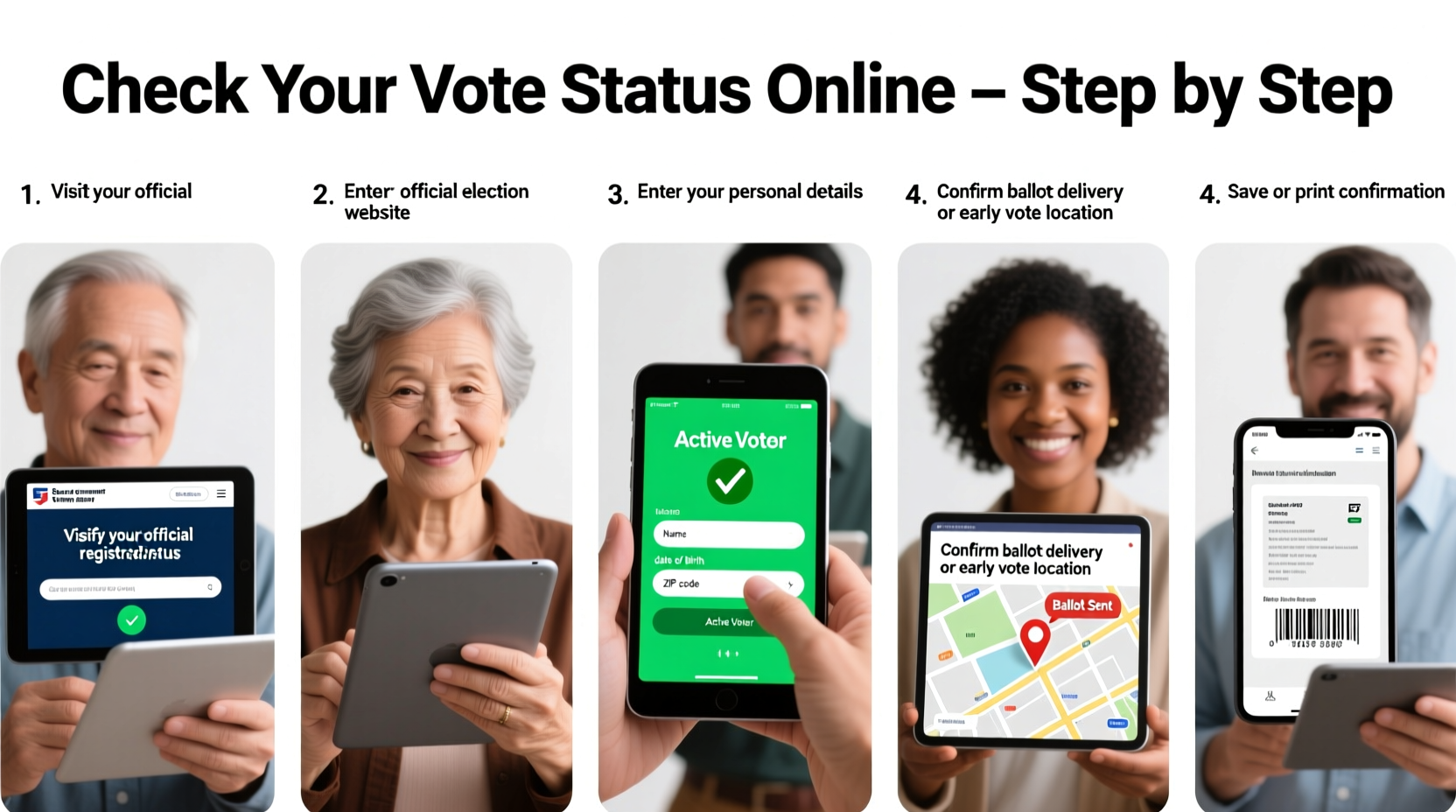
Voter registration isn’t a one-time event. Changes in address, name updates, or prolonged inactivity can affect your eligibility. According to the U.S. Election Assistance Commission, approximately 1 in 8 voter registrations contains errors or is no longer valid. Additionally, over 4 million ballots were rejected in the 2020 general election—many due to preventable issues like missing signatures or late arrivals.
By checking your voter status regularly, you protect your right to vote and avoid last-minute surprises. It’s especially crucial if you’ve recently moved, changed your name, or voted infrequently. Being proactive means you can correct errors, update your information, and track your ballot with confidence.
Step-by-Step Guide to Checking Your Voter Status Online
The process varies slightly by state, but the core steps remain consistent. Follow this timeline to verify your status, update your details, and track your ballot when applicable.
- Visit Your State’s Official Election Website
Start by going to your state’s board of elections or secretary of state website. Avoid third-party sites that may collect data or provide outdated information. A reliable directory is available at vote.gov, the official U.S. government portal for voter resources. - Locate the “Check Your Voter Status” Tool
Most state websites feature a prominent button or link labeled “Check Registration,” “My Voter Info,” or “Track My Ballot.” This tool is typically found on the homepage or under an “Elections” or “Voters” section. - Enter Required Information
You’ll usually need:- First and last name
- Date of birth
- Residential address (or mailing address, if different)
- Last four digits of your Social Security number (in some states)
- Review Your Registration Details
Once submitted, the system will display your current status. Look for:- Registration confirmation
- Political party affiliation (if applicable)
- Precinct and polling location (for in-person voting)
- Districts you’re eligible to vote in (local, state, federal)
- Update Your Information If Needed
If you’ve moved or changed your name, most states allow online updates. Some require a new registration form, while others offer a simple amendment. Note: Deadlines apply—typically 15 to 30 days before an election. - Track Your Ballot (If Voting by Mail)
In 47 states and D.C., you can track your absentee or mail ballot from dispatch to acceptance. After requesting and returning your ballot, use the tracking tool to confirm:- When it was mailed to you
- When it was received by election officials
- Whether it was accepted or requires curing (e.g., signature issue)
State-by-State Variations: What to Expect
While the overall process is similar, each state manages its own voter database. Below is a summary of key differences to help you navigate regional requirements.
| State | Online Registration? | Same-Day Registration? | Ballot Tracking Available? | Deadlines |
|---|---|---|---|---|
| California | Yes | Yes (at polls) | Yes – “Where’s My Ballot?” | Register 15 days pre-election |
| Texas | No (mail or in person) | No | Yes – limited tracking | 30 days before election |
| Colorado | Yes | N/A (all-mail state) | Yes – full tracking | Automatically registered via DMV |
| Georgia | Yes | No | Yes – “Ballot TRACE” | 28 days before election |
| Maine | Yes | Yes | Yes | Day-of registration allowed |
Real Example: How One Voter Saved Her Ballot
Samantha R., a resident of Arizona, requested her mail-in ballot two weeks before Election Day. When she checked the state’s “Track My Ballot” system, she discovered her ballot had been received—but flagged for a missing signature match. Within 48 hours, she submitted a cure affidavit online, validating her identity. Her vote was counted.
“I had no idea there was an issue until I checked the tracker,” Samantha said. “If I hadn’t looked, my vote would have been discarded. Now I check my status every time I vote.”
This scenario is more common than many realize. In 2022, over 180,000 ballots were initially rejected due to signature problems—many of which were later cured thanks to tracking systems.
“We’ve seen a dramatic increase in ballot curing success since real-time tracking became widely available. Transparency empowers voters.” — Dr. Lena Peterson, Director of Election Integrity, Brennan Center for Justice
Common Mistakes to Avoid
- Assuming you’re still registered after moving: Even intra-state moves can deactivate your registration if not updated.
- Using outdated forms or links: Always go through official .gov websites, not social media shortcuts.
- Waiting until Election Day to check status: Deadlines for registration and corrections come weeks earlier.
- Ignoring ballot tracking alerts: Many states send email or text updates—sign up for them.
- Mixing up primary eligibility rules: Some states require party declaration for primaries; verify your status ahead of time.
Frequently Asked Questions
Can I check my voter status without a Social Security number?
Yes, in most states. While some request the last four digits for verification, others only require your name, date of birth, and address. If you don’t have a SSN, look for alternative ID options on your state’s site.
What does “inactive” status mean?
An inactive status means election officials couldn’t confirm your residency—often due to returned mail. You can usually reactivate by updating your address or voting in the next election. Inactive voters can still cast a ballot, but should verify local rules.
Is my personal information safe when I check online?
Yes. Official election websites use secure connections (HTTPS) and do not store your login data. They only display public voter record details—never sensitive information like full SSNs or IDs.
Action Checklist: Secure Your Vote in 6 Steps
- ✅ Visit vote.gov and select your state.
- ✅ Click “Check Your Registration” and enter your details.
- ✅ Confirm your name, address, and registration status are correct.
- ✅ Update your information if you’ve moved or changed your name.
- ✅ Request an absentee ballot if voting by mail (if required).
- ✅ Track your ballot from mailing to counting using your state’s tool.
Conclusion: Your Vote, Your Responsibility
Democracy depends on participation—but also on preparation. Checking your voter status online takes less time than brewing a cup of coffee, yet it ensures your vote won’t be lost to clerical errors or outdated records. Whether you're a first-time voter or a seasoned participant, make this simple check part of your civic routine. Stay informed, stay registered, and stay involved. Your voice matters—make sure it counts.




 浙公网安备
33010002000092号
浙公网安备
33010002000092号 浙B2-20120091-4
Comments
No comments yet. Why don't you start the discussion?