
Selecting the right backpack for college is more than a fashion decision—it’s an investment in daily comfort, academic efficiency, and long-term durability. Students carry heavy loads across campus, endure unpredictable weather, and subject their gear to constant wear. A poorly constructed bag can fail within months, leading to damaged electronics, back strain, or unnecessary replacement costs. Choosing a durable backpack requires understanding materials, design elements, ergonomic support, and real-world functionality. This guide breaks down what truly makes a backpack last through four years of lectures, commutes, and late-night study sessions.
Key Features of a Durable College Backpack
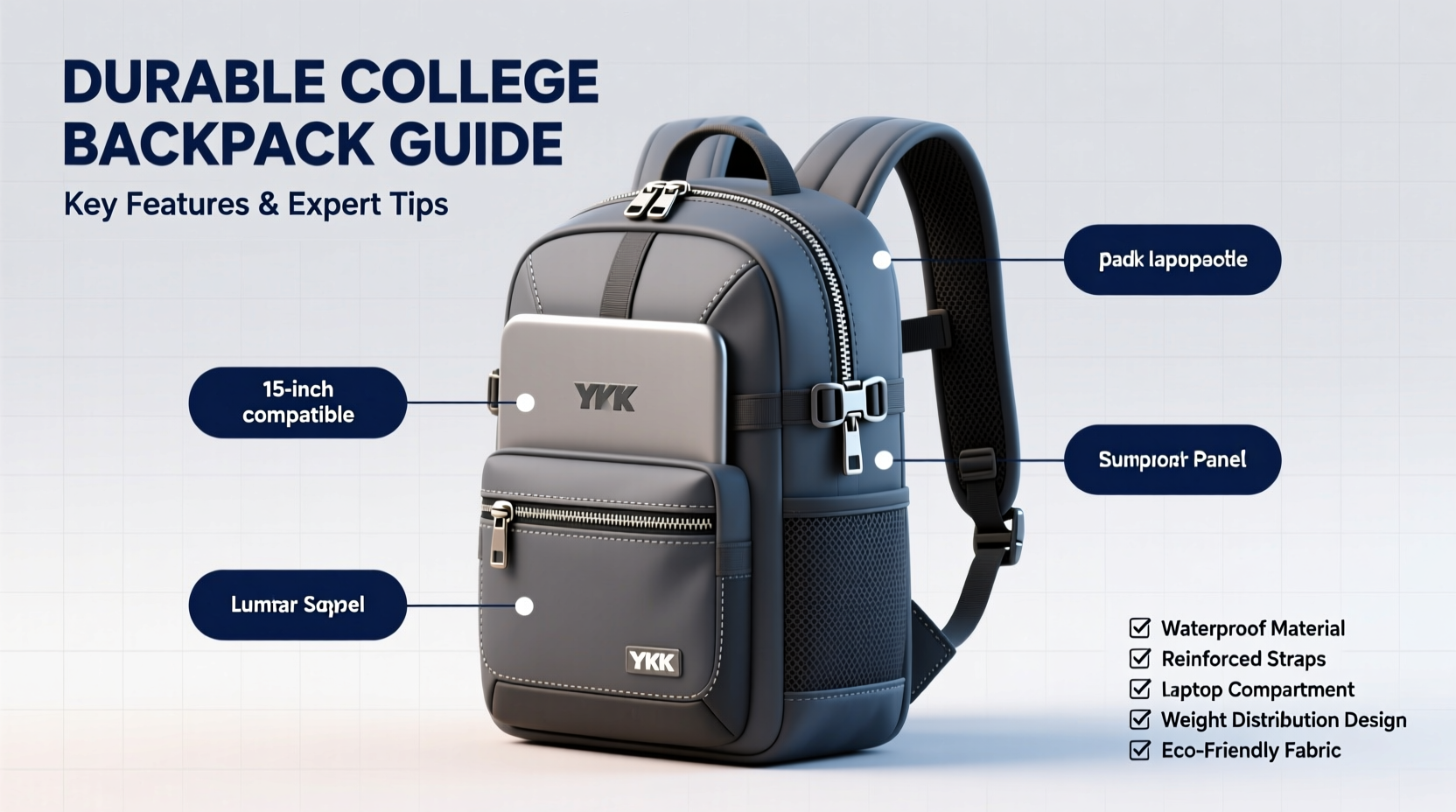
A long-lasting backpack isn’t just about thick fabric—it’s a combination of thoughtful engineering and high-quality components. The following features separate flimsy bags from those built to withstand years of rigorous use.
- Ripstop or Ballistic Nylon Fabric: These tightly woven synthetics resist tears and abrasions far better than standard polyester. Look for denier ratings (e.g., 600D or 1000D) as higher numbers indicate greater durability.
- Reinforced Stitching: Double or triple stitching at stress points—like shoulder straps, bottom panels, and zippers—prevents seams from unraveling under weight.
- Weather-Resistant Coating: A polyurethane (PU) or silicone coating helps repel water, protecting books and laptops during sudden rainstorms.
- YKK Zippers: Known for strength and smooth operation, YKK zippers are less likely to jam or break compared to generic brands.
- Padded Laptop Compartment: Should be suspended and lined with soft material to protect devices from bumps and drops.
- Ventilated Back Panel: Mesh padding with airflow channels reduces sweat buildup and improves comfort during long walks.
Evaluating Ergonomic Design for Daily Use
Even the strongest backpack will fail if it causes discomfort. Poor ergonomics lead to slouching, shoulder pain, and reduced usability over time. A well-designed backpack distributes weight evenly and adapts to your body.
Look for adjustable, padded shoulder straps with S-shaped contours that follow natural shoulder lines. A chest strap stabilizes the load and reduces shoulder strain, especially when walking quickly or carrying heavier items. For students with chronic back issues, a hip belt transfers up to 80% of the weight to the pelvis—critical for loads exceeding 15 pounds.
The back panel should offer structured padding without being overly rigid. Too much stiffness can make the backpack uncomfortable in warm weather or tight spaces like lecture hall seats.
“Students often underestimate how much weight they carry. A backpack that fits properly and supports posture can prevent long-term musculoskeletal problems.” — Dr. Lena Torres, Physical Therapist and Posture Specialist
Comparison: Materials and Their Longevity
| Material | Durability | Water Resistance | Weight | Best For |
|---|---|---|---|---|
| Ballistic Nylon (1000D) | Excellent | High (with coating) | Moderate | Heavy loads, all-weather use |
| Ripstop Nylon | Very Good | Good | Light | Balanced durability and portability |
| Polyester (600D) | Fair to Good | Moderate | Light | Budget-conscious buyers |
| Cordura Fabric | Excellent | High | Moderate | Outdoor-oriented students |
| Canvas | Good (but degrades when wet) | Poor | Heavy | Style-focused, dry climates |
Step-by-Step Guide to Testing a Backpack Before Purchase
Before committing to a backpack, conduct a practical evaluation. Follow this sequence whether shopping online or in-store:
- Check Weight Distribution: Load the bag with textbooks or water bottles (simulate 10–15 lbs). Wear it for at least 10 minutes while walking to assess balance and pressure points.
- Inspect Closure Mechanisms: Open and close zippers 5–10 times. Ensure they glide smoothly and have protective garage ends to prevent fraying.
- Test Access Points: Can you reach your laptop without removing the bag? Is there a quick-access pocket for keys or phone?
- Examine Interior Lining: High-wear areas like the bottom should have reinforced fabric. Linings should feel thick, not translucent or flimsy.
- Assess External Attachment Options: Look for daisy chains, luggage pass-throughs, or compression straps if you plan to travel or carry bulkier items.
Real Example: How One Student Avoided Replacing Her Backpack Twice
Sophia, a sophomore at Northwestern University, initially bought a trendy $45 canvas backpack with minimal padding. Within two months, the bottom seam split after she carried her laptop, lab manuals, and water bottle daily. She switched to a 600D ripstop nylon model with a lifetime warranty. Though it cost $120, the new bag has lasted three semesters without signs of wear. “I didn’t realize how much the frame and stitching mattered,” she said. “Now I don’t worry about rain or over-packing.”
Her experience highlights a common mistake: prioritizing aesthetics over structural integrity. A slightly higher upfront cost saved her money and hassle in the long run.
Essential Checklist Before Buying
Use this checklist to ensure your backpack meets durability and usability standards:
- ✅ Made from 600D+ nylon, ballistic fabric, or Cordura
- ✅ Features reinforced stitching at all major joints
- ✅ Includes a padded, suspended laptop sleeve (fits your device size)
- ✅ Has ventilated back panel and contoured shoulder straps
- ✅ Uses YKK or equivalent high-grade zippers
- ✅ Offers external organization (water bottle pockets, side access)
- ✅ Comes with a manufacturer’s warranty (lifetime preferred)
- ✅ Weighs under 3 lbs empty to minimize added load
Frequently Asked Questions
How much should I spend on a durable college backpack?
Expect to invest between $80 and $150 for a truly durable, feature-rich backpack. While cheaper options exist, they often compromise on materials and warranty support. Brands like Osprey, Patagonia, and Deuter offer reliable mid-range models with long-term value.
Can a backpack be both stylish and durable?
Yes. Many modern brands blend sleek designs with rugged materials. Look for minimalist silhouettes made from technical fabrics—matte finishes hide scuffs better than glossy ones. Neutral colors like charcoal, navy, or olive also age better than bright hues.
What’s the average lifespan of a quality college backpack?
With regular use and proper care, a well-made backpack lasts 3–5 years. Factors like exposure to moisture, frequency of washing, and load weight affect longevity. A lifetime warranty is a strong indicator of expected durability.
Final Thoughts: Build Smart Habits Alongside Your Choice
Choosing a durable backpack is only half the battle. To maximize its lifespan, avoid overloading beyond 10–15% of your body weight, wipe down exterior surfaces monthly, and store it in a dry place when not in use. Empty compartments regularly to prevent stress on zippers and lining.
Your backpack is one of the most-used tools in your academic journey. Treat it with the same consideration as your laptop or textbooks. By focusing on proven materials, ergonomic fit, and smart usage habits, you’ll carry confidence—not just books—through every semester.




 浙公网安备
33010002000092号
浙公网安备
33010002000092号 浙B2-20120091-4
Comments
No comments yet. Why don't you start the discussion?