
Every school year begins with a flurry of shopping—notebooks, pens, textbooks, and, of course, a new backpack. But not all backpacks are built to last. For students carrying heavy loads daily, a flimsy bag can quickly fall apart, leading to broken zippers, torn seams, or shoulder strain. Choosing a durable backpack isn’t just about aesthetics; it’s an investment in comfort, functionality, and longevity. With the right knowledge, you can avoid common pitfalls and select a backpack that withstands the rigors of student life.
Why Durability Matters in Student Backpacks
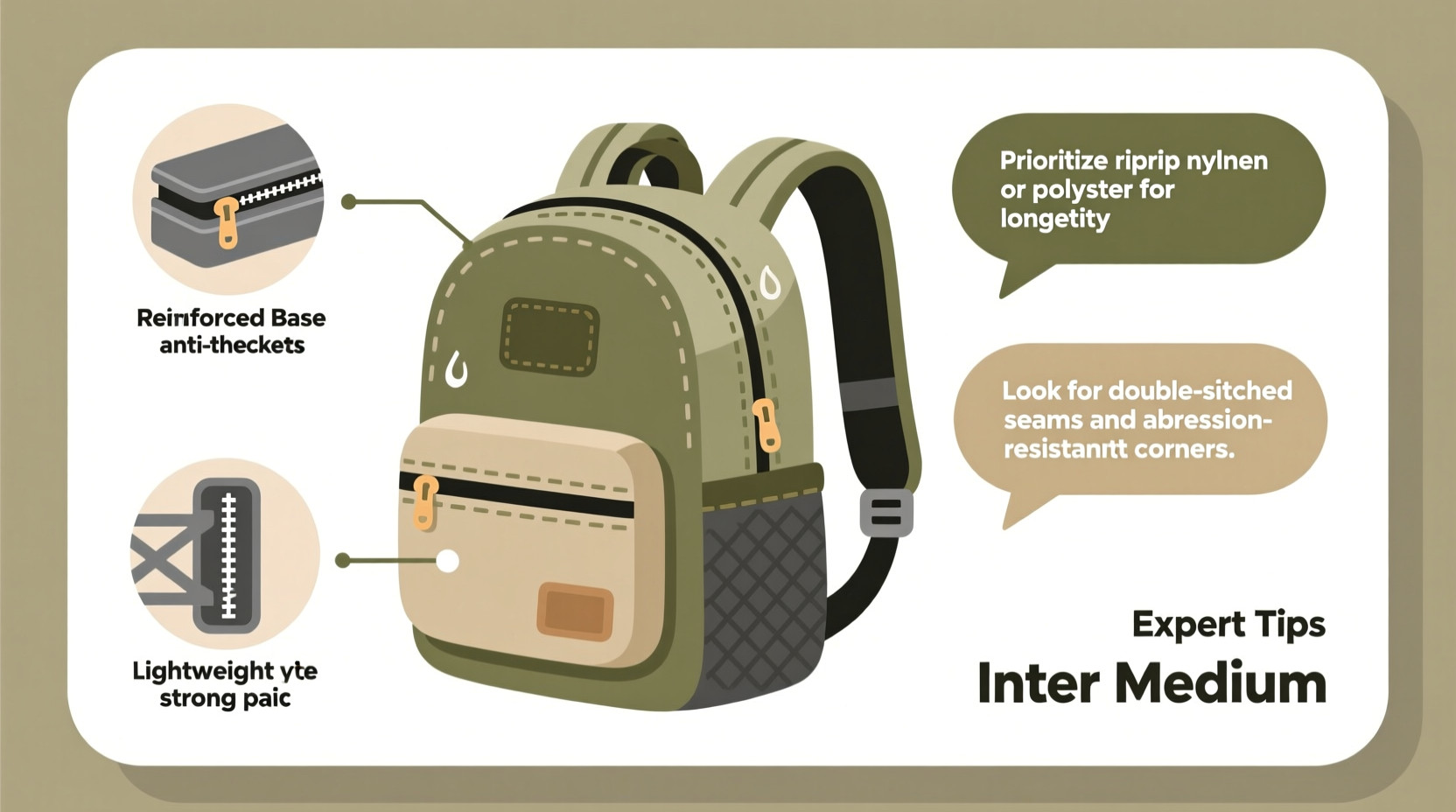
Students often carry 10–20 pounds of books, laptops, and supplies each day. A poorly constructed backpack may show signs of wear within weeks: frayed straps, split fabric, or malfunctioning zippers. Beyond inconvenience, a failing backpack can lead to poor posture, back pain, and unexpected replacement costs. Durability ensures consistent performance under stress, protecting both belongings and physical well-being.
Durable materials, reinforced stitching, and thoughtful design all contribute to a backpack’s lifespan. It's not enough for a bag to look good on day one—it must perform reliably through rain, rough handling, tight lockers, and years of use.
“A backpack is a tool, not just an accessory. Students need gear that supports their academic journey without constant maintenance or replacement.” — Dr. Linda Torres, Ergonomics Researcher at University of Michigan
Key Features of a Durable Student Backpack
When evaluating durability, focus on construction, materials, and functional design. Look beyond color and brand reputation to assess what truly matters:
- High-Density Fabric: Materials like 600D or 1680D polyester or nylon offer excellent resistance to abrasion and tearing. Ripstop nylon is especially effective at preventing small rips from spreading.
- Reinforced Stitching: Double or triple stitching at stress points (straps, handles, bottom corners) significantly improves longevity. Lock-stitch patterns prevent unraveling.
- Quality Zippers: YKK or equivalent metal zippers outperform plastic alternatives. Look for reverse coil zippers, which are less prone to snagging and breaking.
- Padded & Ventilated Back Panel: Not only does this improve comfort, but a structured back panel protects the bag’s integrity by distributing weight evenly.
- Water-Resistant Coating: A PU coating or DWR (durable water repellent) finish helps protect against rain and spills, preventing mold and fabric degradation.
- Reinforced Bottom Panel: A thicker, abrasion-resistant base prevents premature wear when placing the bag on floors or sidewalks.
Comparing Materials and Build Quality
| Material | Durability Rating | Water Resistance | Best For |
|---|---|---|---|
| 600D Polyester | Good | Moderate (with coating) | Budget-friendly daily use |
| 1680D Ballistic Nylon | Excellent | High | Heavy loads, long-term use |
| Ripstop Nylon | Very Good | High | Outdoor/urban environments |
| Cordura Fabric | Exceptional | Very High | Military-grade durability |
| Cotton Canvas | Fair | Low (unless treated) | Light use, fashion-focused models |
While price often reflects material quality, some mid-range brands use hybrid constructions—such as ballistic nylon on high-wear areas and polyester elsewhere—to balance cost and strength.
Step-by-Step Guide to Choosing the Right Backpack
Selecting a durable backpack should follow a deliberate process. Use this timeline to make a confident decision before the school year starts:
- Assess Your Load (1 week before shopping): Weigh your typical school-day items. This determines required capacity and support needs.
- Set a Realistic Budget ($50–$120 recommended): Durable backpacks rarely cost under $40. Investing more upfront saves money over time.
- Research Brands Known for Durability: Consider Deuter, Fjällräven, Patagonia, Osprey, Targus, or JanSport’s premium lines.
- Visit a Store (if possible): Test fit, adjust straps, open zippers repeatedly, and inspect internal structure.
- Check Warranty & Return Policy: Many reputable brands offer lifetime or extended warranties against manufacturing defects.
- Finalize and Register (optional): Some brands allow product registration for warranty tracking and recall alerts.
Real-World Example: The Backpack That Lasted Four Years
Maya, a college biology major, needed a backpack that could carry her laptop, lab manuals, dissection kit, and water bottle across campus every day. She chose a Fjällräven Kånken Laptop model after researching its vinyl-coated fabric and ergonomic design. Despite frequent rain, dropped bags, and full capacity use, the backpack showed minimal wear after four years. “I expected to replace it in two,” she said. “But the straps stayed strong, the zippers never jammed, and the base didn’t scuff. It paid for itself in replacements I didn’t have to buy.”
Ergonomic Design and Comfort for Daily Use
Durability isn’t just about surviving external damage—it also means supporting the user without causing strain. A heavy backpack with poor ergonomics can cause chronic discomfort, reducing its effective lifespan even if the materials hold up.
Look for:
- Adjustable, padded shoulder straps with load-lifter clips
- A chest or waist strap to redistribute weight
- An internal frame sheet or aluminum stays for structure
- Multiple compartments to organize weight distribution
Backpacks with airflow channels between the back panel and fabric reduce sweating and keep the material drier, slowing down mildew and odor buildup—common causes of premature deterioration.
Essential Checklist Before Buying
Use this checklist to evaluate any backpack before purchase:
- ✅ Is the fabric at least 600D polyester or equivalent?
- ✅ Are the shoulder straps padded and adjustable?
- ✅ Does it have a reinforced bottom panel?
- ✅ Are zippers made by YKK or another trusted brand?
- ✅ Is the back panel ventilated and structured?
- ✅ Does it include a dedicated laptop sleeve (if needed)?
- ✅ Is there a warranty of at least 2 years?
- ✅ Can it be comfortably worn with 15+ lbs of weight?
Frequently Asked Questions
How long should a good student backpack last?
A well-made backpack used daily should last 3–5 years. Signs it’s time to replace include torn seams, broken zippers that can’t be repaired, sagging structure, or persistent odors from mildew.
Are leather backpacks durable for students?
Leather can be durable but requires regular maintenance. It’s heavier than synthetic fabrics and less water-resistant unless treated. Best suited for light loads and dry climates.
Can I repair a damaged backpack instead of replacing it?
Yes—minor issues like loose stitching or zipper pulls can often be fixed at a cobbler or with DIY repair kits. However, structural damage to the back panel or load-bearing straps usually means replacement is safer and more cost-effective.
Final Thoughts: Invest Wisely, Carry Confidently
Choosing a durable backpack is one of the most practical decisions a student can make. It reduces long-term expenses, minimizes physical strain, and ensures reliability during critical moments—like rushing to class with a laptop and textbook in tow. Don’t be swayed by flashy designs or low prices. Focus on materials, construction, and ergonomics. Test the bag, read reviews, and prioritize function over trend.
A great backpack becomes an extension of your routine—one you trust day after day. When you find one that meets these standards, you’re not just buying a bag. You’re investing in peace of mind for semesters to come.




 浙公网安备
33010002000092号
浙公网安备
33010002000092号 浙B2-20120091-4
Comments
No comments yet. Why don't you start the discussion?