
Running is more than just movement—it’s a lifestyle. Whether you're logging miles on city sidewalks or navigating rugged trails, having the right gear can make all the difference. Among the most essential pieces of equipment is a reliable running bag. But not all running bags are created equal. A truly effective one must be durable, lightweight, and packed with smart functionality. Choosing the wrong model means discomfort, premature wear, or even injury over time. This guide breaks down the critical elements of a high-performance running bag, backed by expert insights and practical recommendations.
Understand Your Running Needs First
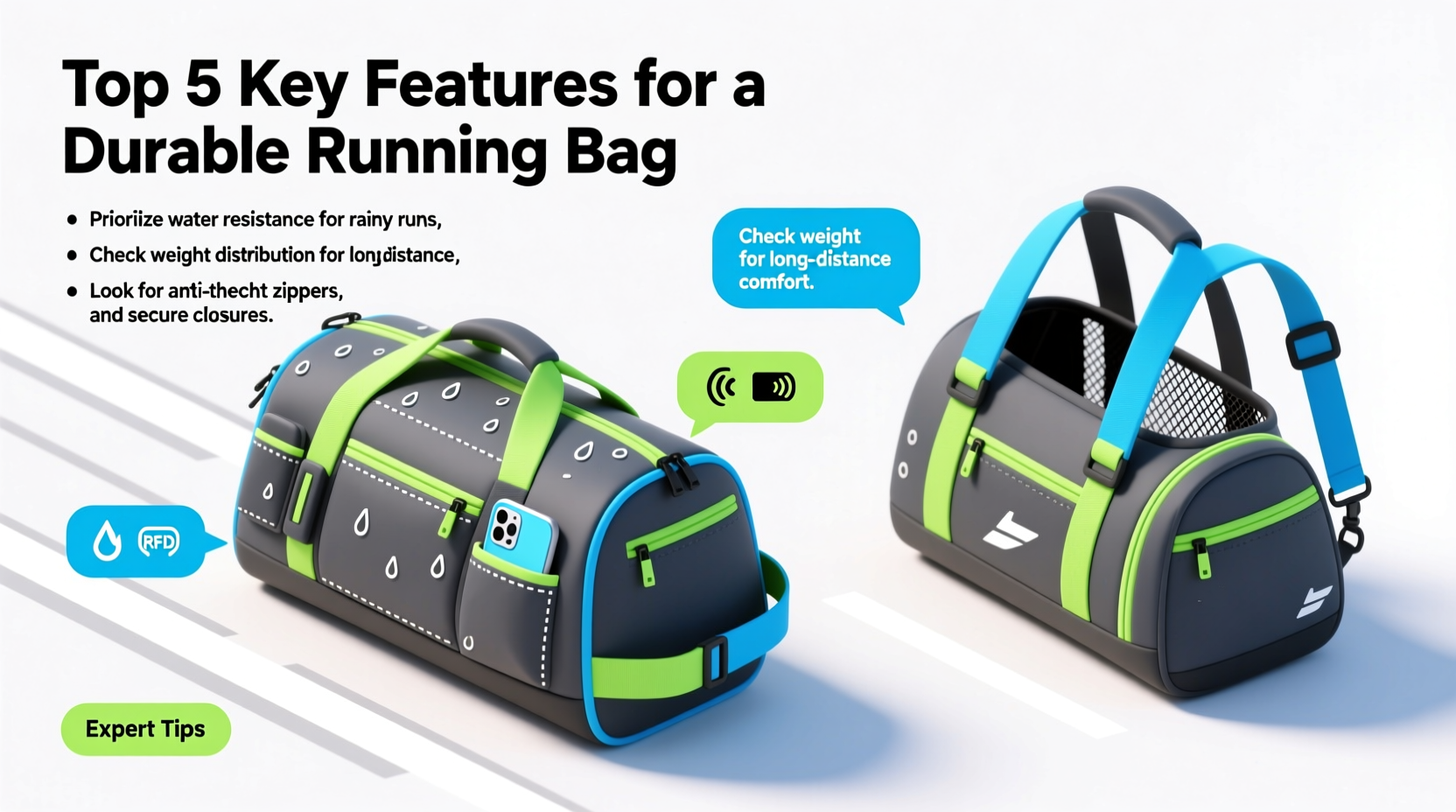
Before evaluating materials or compartments, define your primary use case. Are you a weekend jogger who needs space for keys, phone, and water? Or an ultramarathoner carrying nutrition, layers, and emergency supplies? The answer shapes every decision that follows.
- Short runs (under 5 miles): Focus on minimalism—lightweight waist packs or small chest straps.
- Long-distance or trail runs: Look for hydration compatibility, padded shoulder straps, and weather-resistant fabric.
- Commuter runners: Prioritize security features like lockable zippers and RFID-blocking pockets.
Key Features of a Durable Multi Functional Running Bag
A top-tier running bag blends resilience with intelligent design. Here are the non-negotiables:
1. Material Durability and Weather Resistance
The fabric determines longevity. High-denier nylon (e.g., 210D or higher) resists abrasion from rough terrain and frequent use. Look for ripstop weaving, which prevents small tears from spreading. For wet climates, coated fabrics like silicone-treated nylon or TPU-laminated polyester offer excellent water resistance without adding bulk.
2. Ergonomic Fit and Stability
No matter how advanced the tech, a bouncing bag ruins rhythm and strains shoulders. Seek adjustable, breathable harness systems with anti-slip padding. Chest and waist stabilizers help distribute weight evenly, especially when carrying over 2kg (4.4 lbs).
3. Smart Compartment Layout
Functionality lies in organization. Multiple access points—side pockets for gels, rear hydration sleeves, quick-draw phone slots—save time mid-run. Internal dividers prevent jostling, while zippered security pockets keep valuables safe.
4. Hydration Integration
For runs exceeding 45 minutes, staying hydrated is crucial. Choose models compatible with soft flasks (500ml–750ml) or full reservoirs (1.5L+). Ensure the hose routing is intuitive and leak-proof, with magnetic clip holders near the shoulder strap for easy access.
5. Reflective Elements and Visibility
Safety matters, especially during early morning or evening runs. Integrated reflective logos, piping, or 360° reflective strips enhance visibility in low light. Some premium models feature LED light attachment points.
“Fit and function are inseparable in endurance gear. If a bag shifts during motion, it will compromise both comfort and performance.” — Dr. Lena Torres, Sports Biomechanics Researcher, University of Colorado
Comparison Table: Running Bag Types by Use Case
| Bag Type | Best For | Weight Range | Durability Rating | Top Pick Feature |
|---|---|---|---|---|
| Waist Pack | Short urban runs | 80–150g | ★★★☆☆ | Low-profile design |
| Chest Strap Bag | Phone + essentials | 120–200g | ★★★★☆ | Secure phone access |
| Hydration Vest | Trail/ultra running | 300–600g | ★★★★★ | Integrated reservoir |
| Backpack (Mini) | Commuting + gear | 250–400g | ★★★★☆ | Padded laptop sleeve |
Step-by-Step Guide: How to Evaluate and Select Your Running Bag
- Define your typical run duration and route. Urban, trail, or mixed terrain?
- List essential items you carry regularly (e.g., phone, ID, keys, snacks, water).
- Determine capacity needed: 1–3L for minimal loads; 5–8L for longer adventures.
- Test fit in-store or via return policy. Wear it while jogging in place to check bounce and pressure points.
- Inspect stitching and hardware: Bar-tacked stress points, YKK zippers, and reinforced anchor loops indicate quality construction.
- Check ventilation: Mesh-backed panels reduce sweat buildup and chafing.
- Verify warranty and brand reputation. Brands like Salomon, Nathan, and Ultimate Direction offer 2–3 year durability guarantees.
Real Example: From Frustration to Functionality
Jamal, a Boston-based runner training for his first 50K trail race, initially used a generic fitness backpack. Within three months, the shoulder strap stitching failed, the side pocket zipper jammed, and the lack of hydration support forced him to carry a separate handheld bottle. After switching to a purpose-built hydration vest with dual flask compatibility and stretch mesh cargo, he reported improved posture, consistent hydration, and no gear failures—even after 18 months of weekly long runs. The investment paid off in both performance and reliability.
Expert Checklist: Must-Have Qualities in a Running Bag
Use this checklist before purchasing:
- ✅ High-denier, abrasion-resistant outer fabric
- ✅ Breathable, non-chafing contact surfaces
- ✅ Secure closure system (zipper locks or magnetic snaps)
- ✅ Dedicated hydration compartment or flask holsters
- ✅ Reflective detailing for low-light safety
- ✅ Adjustable fit across chest, waist, or shoulders
- ✅ Easy-access storage for frequently used items
- ✅ Machine-washable or easy-clean interior lining
- ✅ Manufacturer warranty of at least 1 year
- ✅ Positive user reviews focused on long-term durability
Frequently Asked Questions
Can I use a hiking backpack for running?
Not ideal. Hiking packs are designed for vertical load distribution and lack the dynamic stability needed for running. They often cause excessive bounce and restrict arm swing. Purpose-built running bags are lighter, lower-profile, and contour to body movement.
How do I clean and maintain my running bag?
Empty all compartments and wipe down interiors with a damp cloth. For deeper cleaning, hand wash with mild soap and air dry—never machine dry. Remove hydration bladders and flush with water and vinegar monthly to prevent mold.
Are expensive running bags worth it?
For frequent or serious runners, yes. Premium models use superior materials, ergonomic engineering, and undergo rigorous field testing. Over time, they outlast cheaper alternatives, reducing replacement costs and improving comfort.
Final Thoughts: Invest in Performance, Not Just Storage
A durable, multi-functional running bag isn’t just a container—it’s an extension of your body in motion. The right choice enhances endurance, keeps essentials secure, and supports your evolving goals. Don’t settle for compromise. Prioritize fit, material integrity, and thoughtful design. Whether you’re sprinting through city streets or pacing deep into mountain trails, your gear should empower, not hinder.




 浙公网安备
33010002000092号
浙公网安备
33010002000092号 浙B2-20120091-4
Comments
No comments yet. Why don't you start the discussion?