
A well-chosen tote bag is more than just a fashion accessory—it's a daily companion. Whether you're carrying laptops, groceries, books, or gym gear, durability matters. A poorly made tote can fray, break, or lose shape within months, while a high-quality one can last years, even decades. Yet many people focus only on style or price, overlooking the structural details that determine longevity. Understanding what makes a tote truly durable empowers you to invest wisely in a bag that withstands daily wear without sacrificing function or aesthetics.
Material Matters: The Foundation of Durability
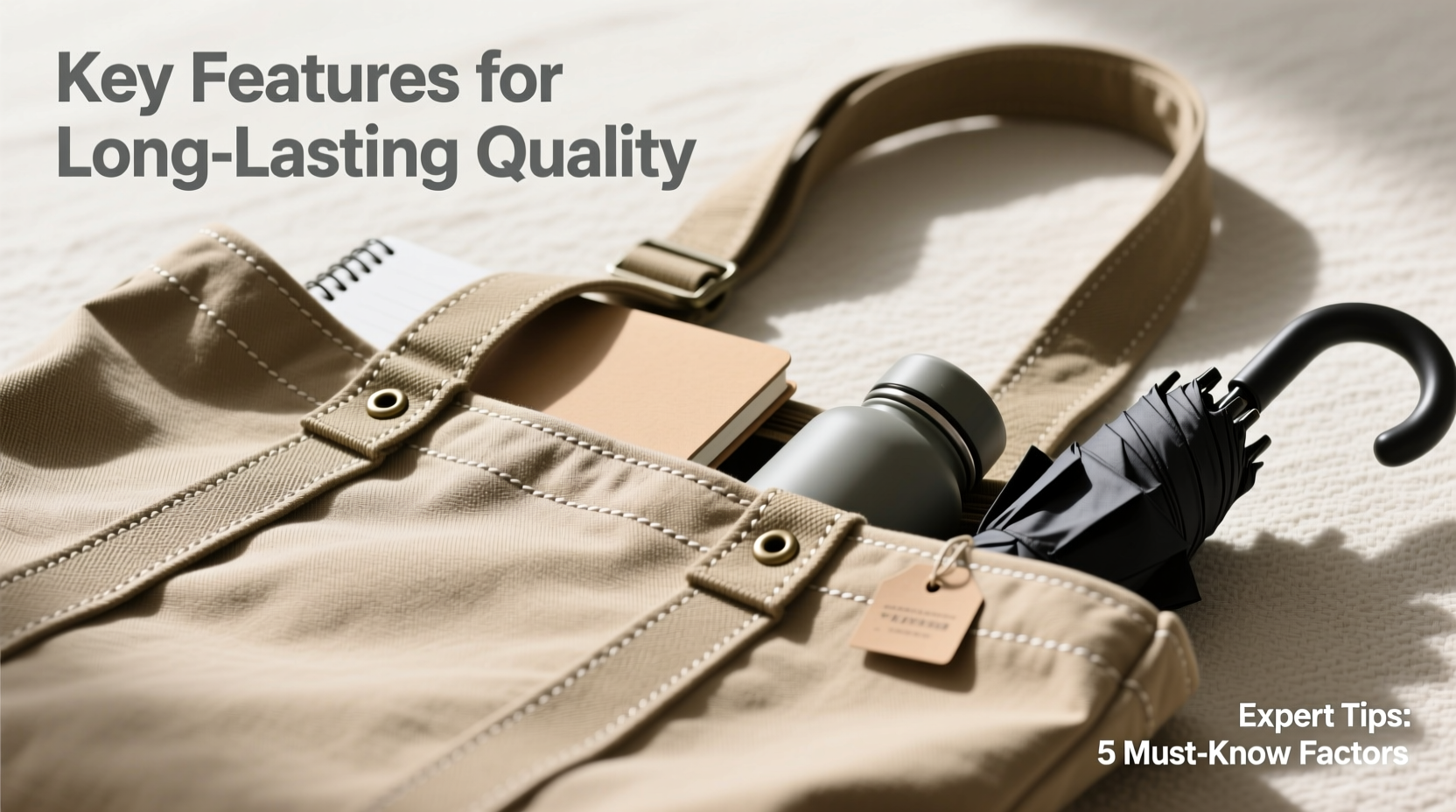
The fabric or leather used in a tote bag is the single most important factor in its lifespan. Not all materials are created equal—some resist abrasion, others handle moisture better, and some age beautifully over time. Here’s a breakdown of common materials and their performance traits:
- Cotton Canvas: Durable, breathable, and easy to clean. Heavyweight canvas (12 oz or higher) resists tearing and holds structure well. Ideal for casual use but less water-resistant unless treated.
- Nylon and Polyester: Lightweight yet strong, especially in ripstop weave. These synthetics resist water, mildew, and UV damage. Often used in travel or outdoor totes.
- Leather (Full-Grain or Top-Grain): Naturally tough and ages with character. Full-grain leather develops a patina and becomes more resilient over time. Requires conditioning but offers unmatched longevity.
- Recycled Fabrics (e.g., PET from plastic bottles): Eco-friendly and surprisingly durable when tightly woven. Look for reinforced weaves and protective coatings.
- Waxed Cotton (e.g., waxed canvas): Water-resistant and abrasion-resistant. Becomes stiffer over time and requires occasional re-waxing to maintain protection.
Stitching and Construction: Hidden Strength You Can’t Ignore
Even the best material fails if it’s poorly assembled. Inspect the stitching closely before purchasing. Double or triple stitching along stress points like handles, gussets, and pockets significantly increases resilience. Lock-stitching (as opposed to chain-stitching) prevents unraveling if a thread breaks.
The way panels are joined also affects strength. Seamless construction or minimal seams reduce weak zones. Gusseted bottoms add volume and distribute weight evenly, reducing strain on side seams. Internal linings should be securely attached and made from sturdy fabric—not flimsy polyester that tears easily.
“Look at the stitch count per inch. Anything under 8 stitches per inch is likely subpar. Premium bags typically have 10–12.” — Daniel Reyes, Bag Designer & Craftsmanship Consultant
Hardware Quality: Small Details, Big Impact
Zippers, buckles, rivets, and D-rings endure constant stress. Cheap metal or plastic components snap or corrode quickly. Opt for:
- YKK zippers (industry gold standard for smoothness and strength)
- Solid brass or aluminum hardware (resistant to rust and bending)
- Rivets at strap-to-body junctions (common in workwear-style totes)
Reinforced anchor points where straps meet the body prevent separation—a frequent failure point in lower-end bags.
Design Features That Enhance Longevity
Beyond materials and seams, smart design choices contribute to a bag’s endurance. Consider these functional elements:
- Reinforced Handles and Straps: Padded or layered handles prevent fraying and improve comfort under load.
- Structured Base or Bottom Panel: A firm bottom keeps the bag upright, reduces floor contact, and minimizes wear on the base fabric.
- Interior Organization: Built-in compartments reduce clutter and prevent sharp objects from rubbing against lining.
- Water-Resistant Coating or Lining: Especially useful for urban commuters exposed to rain or spills.
- Expandable Capacity: Gussets or zipper expansion allow flexibility without overstretching seams.
| Feature | Why It Matters | What to Look For |
|---|---|---|
| Double Stitching | Prevents seam splitting under heavy loads | Visible parallel lines at corners and strap joints |
| Full-Grain Leather | Natural fibers resist cracking and develop luster | Uneven texture, slight imperfections (a good sign) |
| YKK Zippers | Smooth operation and resistance to jamming | Stamped logo on pull tab or zipper tape |
| Riveted Straps | Distributes stress away from thread alone | Metal discs securing strap ends to main body |
| Waxed Canvas | Water and abrasion resistance without synthetic feel | Stiff hand-feel, matte finish, faint waxy smell |
Step-by-Step Guide: How to Evaluate a Tote Before Buying
Follow this practical inspection process when shopping—whether online or in-store—to ensure you’re getting a long-lasting product:
- Check the Weight: Heavier doesn’t always mean better, but an extremely light bag may indicate thin fabric or hollow construction.
- Pinch the Seams: Gently pull the stitching apart. If threads gap or loosen, the seam isn’t tight enough.
- Flex the Corners: Bend the bottom edges. They should hold up without creasing sharply or showing internal gaps.
- Test the Zipper: Open and close it multiple times. It should glide smoothly without catching.
- Inspect the Lining: Turn the bag inside out if possible. Linings should be neatly finished, not raw-cut or loosely hanging.
- Lift by One Handle: Simulate real-world stress. If the opposite side sags excessively or seams bulge, structural integrity is weak.
Real-World Example: From Commuter Breakdown to Daily Reliability
Sophie, a graphic designer in Portland, went through three canvas totes in two years. Each failed at the strap attachment after six months of carrying her laptop, sketchbook, and coffee. Frustrated, she consulted a local bag repair shop, where the tailor showed her the flaw: single stitching and un-reinforced webbing straps. He recommended a waxed canvas tote with brass rivets and double-stitched cross-stitch handles. She invested $120—double her previous spending—but five years later, the bag still carries her gear daily. Minor scuffs have turned into character marks, and she reapplies wax twice a year. “It feels better now than when I bought it,” she says.
Expert Care Tips to Extend Your Tote’s Life
Purchasing a durable tote is only half the battle. Proper maintenance determines how long it lasts. Follow these guidelines based on material type:
- For Canvas/Waxed Canvas: Wipe with a damp cloth; avoid soaking. Re-wax every 6–12 months using manufacturer-recommended products.
- For Leather: Condition every 3–6 months with pH-balanced cream. Store away from heat sources to prevent drying and cracking.
- For Synthetic Fabrics: Machine wash only if specified. Air dry flat to prevent warping.
- General Rule: Empty your bag nightly. Remove crumbs, moisture, or sharp items that degrade lining or puncture fabric.
“Consistent care and proper storage can double a bag’s lifespan.” — Emma Clarke, Fashion Care Expert
Frequently Asked Questions
How do I know if a tote bag is worth the higher price?
Evaluate the materials, stitching density, hardware quality, and brand reputation for craftsmanship. A $200 bag made with full-grain leather, YKK zippers, and hand-finished seams will outlast ten $30 bags. Consider cost-per-use: if you use it 5 days a week for 5 years, even a premium bag pays off in value and sustainability.
Are vegan leather totes durable?
It depends. High-quality polyurethane (PU) leather can be durable and eco-conscious, but cheaper PVC-based \"pleather\" cracks within months. Look for brands that specify thickness (0.8mm or higher) and offer warranties. Some plant-based leathers (like Piñatex or cork) are surprisingly resilient but require gentle handling.
Can a damaged tote be repaired?
Yes—many issues are fixable. Broken straps, torn linings, or faulty zippers can often be replaced by a skilled cobbler or repair service. Investing $30–$50 in repairs extends life far longer than buying new. Keep spare parts like zipper pulls if possible.
Final Checklist: Your Guide to a Lasting Tote
Before making a purchase, run through this checklist:
- ✅ Is the outer material thick, tightly woven, or naturally durable (e.g., full-grain leather)?
- ✅ Are stress points double- or triple-stitched?
- ✅ Does it feature reinforced strap attachments (rivets or bar tacks)?
- ✅ Is the zipper from a reputable brand (e.g., YKK)?
- ✅ Does the lining feel substantial and securely sewn?
- ✅ Is there a structured base or stiffener to protect the bottom?
- ✅ Have I tested functionality (zippers, weight balance, handle comfort)?
Conclusion: Choose Smart, Carry Longer
Selecting a durable tote bag isn’t about chasing trends or settling for convenience. It’s a commitment to quality, sustainability, and thoughtful consumption. By focusing on materials, construction, and care, you shift from replacing bags every season to owning one that improves with age. Whether you're navigating city streets, heading to work, or running errands, a well-built tote becomes a trusted extension of your routine. Make your next purchase count—inspect the seams, test the hardware, and prioritize longevity over fleeting style. Your future self, and your wallet, will thank you.




 浙公网安备
33010002000092号
浙公网安备
33010002000092号 浙B2-20120091-4
Comments
No comments yet. Why don't you start the discussion?