
Millions of people experience tooth sensitivity, especially when consuming hot, cold, or sweet foods. At the same time, a bright, white smile remains a top cosmetic priority. The challenge arises when these two desires collide: how do you whiten your teeth without triggering pain or worsening sensitivity? The answer lies in choosing the right toothpaste—one that balances desensitizing ingredients with gentle yet effective whitening agents. With so many options on store shelves, making an informed decision is essential to protect enamel, reduce discomfort, and achieve visible results over time.
Understanding Tooth Sensitivity and Whitening Needs
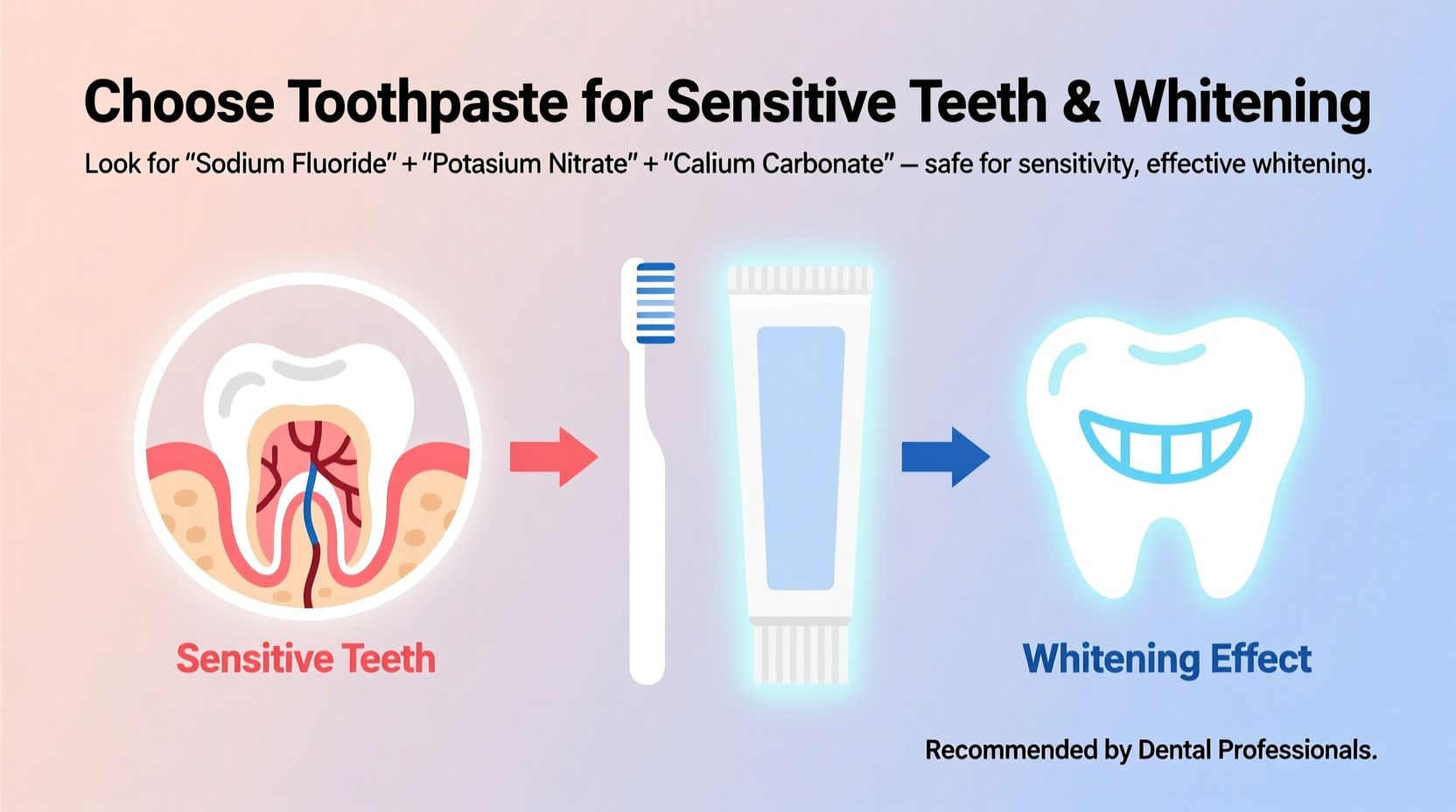
Tooth sensitivity occurs when the protective layer of enamel wears down or when gums recede, exposing the underlying dentin. Dentin contains tiny tubules that lead directly to the nerve, making teeth reactive to temperature changes, pressure, and certain chemicals. Common causes include aggressive brushing, acid erosion from diet, gum disease, teeth grinding, and even dental procedures like whitening treatments.
Meanwhile, teeth naturally darken with age due to extrinsic stains (from coffee, tea, wine, tobacco) and intrinsic changes in the dentin. Many turn to whitening toothpastes to restore brightness. However, traditional whitening formulas often rely on abrasive particles or strong oxidizing agents that can aggravate sensitivity.
The ideal solution isn’t about sacrificing one goal for another—it’s about finding a product designed to address both concerns simultaneously. That means looking beyond marketing claims and understanding ingredient labels.
Key Ingredients to Look For (and Avoid)
Not all toothpastes are created equal. To balance sensitivity relief and whitening, focus on active ingredients proven by clinical research.
Desensitizing Agents That Work
- Potassium Nitrate: Penetrates the tooth to calm nerve endings. Found in brands like Sensodyne and Colgate Sensitive, it typically requires consistent use over 2–4 weeks to build effectiveness.
- Stannous Fluoride: Offers dual benefits—strengthens enamel and seals dentinal tubules to block pain signals. Also provides antibacterial protection against gingivitis.
- Arginine + Calcium Carbonate: Used in some professional formulations, this combination helps plug exposed tubules quickly, offering faster relief than potassium nitrate alone.
Gentle Whitening Ingredients
- Hydrogen Peroxide (Low Concentration): A mild bleaching agent that breaks down surface stains. In toothpaste form, concentrations are much lower than professional treatments, reducing risk but still providing gradual results.
- Silica (Hydrated Silica): A common polishing agent. While abrasive at high levels, fine-particle silica in low-abrasion formulas safely removes surface stains without damaging enamel.
- Sodium Hexametaphosphate: Helps prevent new stain buildup by binding to pigment molecules in food and drink, stopping them from adhering to teeth.
Ingredients to Avoid with Sensitive Teeth
“Patients with hypersensitivity should avoid overly abrasive pastes and high-peroxide formulas, which can accelerate enamel wear and increase discomfort.” — Dr. Lena Torres, Clinical Dentist and Oral Care Researcher
| Ingredient | Why It’s Problematic | Better Alternatives |
|---|---|---|
| High RDA (Radioactive Dentin Abrasivity) values (>100) | Wears down enamel over time, increasing sensitivity | Choose RDA <70; look for “low-abrasion” labeling |
| Sodium Lauryl Sulfate (SLS) | Irritates soft tissues and may worsen sensitivity in some individuals | SLS-free formulas (e.g., Biotene, Zendium) |
| Charcoal or baking soda-heavy blends | Highly abrasive; can scratch enamel and expose more dentin | Micronized silica or enzymatic stain lifters |
| Essential oils (e.g., peppermint, eucalyptus) in high concentration | Can cause stinging sensations in sensitive mouths | Mild flavor systems or fragrance-free versions |
Step-by-Step Guide to Choosing the Right Toothpaste
Selecting a toothpaste shouldn’t be guesswork. Follow this practical sequence to make a confident, science-backed choice.
- Assess Your Sensitivity Level: Note when and how often pain occurs. Is it triggered by cold air, ice cream, or brushing? Mild sensitivity may respond well to over-the-counter options, while chronic pain might require prescription-strength fluoride or dentist-recommended products.
- Check the Active Ingredients List: Prioritize toothpastes listing potassium nitrate (5%) or stannous fluoride as active ingredients. These are FDA-approved for sensitivity relief.
- Verify Whitening Claims: Look for the ADA Seal of Acceptance for both anti-sensitivity and stain removal. This ensures independent verification of safety and efficacy.
- Review the RDA Value: If not listed on packaging, search online databases or contact the manufacturer. Aim for RDA between 30–70 for daily use.
- Test Gradually: Try a new paste for two weeks using gentle brushing technique (soft brush, circular motions). Monitor any changes in comfort or appearance.
- Consult Your Dentist: Especially if you’ve recently had whitening treatments, crowns, or gum therapy. Some ingredients interact poorly with restorative materials.
Real-World Example: Sarah’s Journey to a Pain-Free White Smile
Sarah, a 34-year-old teacher and coffee lover, avoided smiling widely because her teeth looked dull and brushing caused sharp twinges. She’d tried several whitening pastes, only to abandon them within days due to increased sensitivity. After consulting her hygienist, she switched to a stannous fluoride-based toothpaste with mild silica polishing agents. Her routine included brushing twice daily with a soft electric toothbrush and avoiding acidic beverages between meals.
Within three weeks, Sarah noticed less discomfort. By week six, colleagues commented on her brighter smile. She hadn’t used strips or gels—just consistency with the right toothpaste. Her dentist confirmed improved enamel integrity during her next cleaning. “I finally found something that works without making me wince,” she said. “It’s changed how I feel about my smile every day.”
Top Recommended Products Compared
Based on clinical studies, user feedback, and dental recommendations, here are five leading toothpastes that successfully merge sensitivity protection with whitening power.
| Product | Active Desensitizing Ingredient | Whitening Mechanism | RDA Value | ADA Accepted? |
|---|---|---|---|---|
| Sensodyne Pronamel Gentle Whitening | Potassium Nitrate | Low-abrasion silica | 60 | Yes |
| Colgate Sensitive Whitening Enamel Repair | Stannous Fluoride | Hydrated silica + sodium hexametaphosphate | 72 | Yes |
| Parodontax Whitening (Sensitive Formula) | Stannous Fluoride | Polishing agents + plaque inhibitor | 65 | Yes |
| elmex Sensitive Professional Whitening | Stannous Fluoride | Micronized silica | 55 | No (but clinically tested in EU) |
| Tom's of Maine Rapid Relief Sensitive & Whitening | Potassium Nitrate | Calcium carbonate + zinc oxide | 50 | Yes |
Note: While RDA values slightly above 70 may still be safe for short-term use, long-term exposure to higher abrasives increases risk, especially in those with thin enamel or recession.
Frequently Asked Questions
Can whitening toothpaste make sensitive teeth worse?
Yes, if it contains high levels of abrasives, SLS, or strong peroxides. However, specially formulated sensitivity-safe whitening pastes are designed to remove stains gently without irritating exposed dentin. Always check the ingredient list and consider starting with alternate-day use to assess tolerance.
How long does it take to see whitening results with sensitive-teeth toothpaste?
Most users notice subtle improvements in tooth brightness within 2–3 weeks of daily use. Significant results typically appear after 4–6 weeks. Unlike intensive whitening kits, these pastes work gradually to minimize risk while maintaining enamel health.
Is it safe to use a whitening toothpaste every day if I have sensitivity?
Only if the product is specifically designed for sensitive teeth. Daily use of regular whitening toothpastes can erode enamel and worsen discomfort. Opt for ADA-approved formulas labeled for sensitivity, and pair with a soft-bristle brush to reduce mechanical stress.
Final Checklist Before You Buy
- ☑ Contains potassium nitrate or stannous fluoride as active ingredient
- ☑ Lists low-abrasion polishing agents (e.g., hydrated silica)
- ☑ Free from sodium lauryl sulfate (SLS), if irritation is a concern
- ☑ RDA value under 70 (ideally between 50–65)
- ☑ Bears the ADA Seal of Acceptance for both sensitivity and stain removal
- ☑ Compatible with existing dental work (veneers, crowns, implants)
- ☑ Pleasant flavor that doesn’t sting or trigger discomfort
Conclusion: Balance Comfort and Confidence
You don’t have to choose between a pain-free brushing experience and a radiant smile. Modern dentistry has made it possible to address sensitivity and discoloration in tandem—with the right knowledge and product selection. By focusing on scientifically supported ingredients, avoiding harmful additives, and listening to your body’s response, you can maintain oral health while enhancing your appearance.
Your teeth deserve care that’s both gentle and effective. Start today by replacing your current tube with one that respects your sensitivity while working steadily toward a whiter, healthier smile. Small changes in your routine can lead to lasting confidence—every time you laugh, speak, or sip your morning coffee.




 浙公网安备
33010002000092号
浙公网安备
33010002000092号 浙B2-20120091-4
Comments
No comments yet. Why don't you start the discussion?