
For hikers with wide feet, finding the right boot can feel like searching for a trail in thick fog—frustrating, uncertain, and often ending in discomfort. Many assume they must rely on costly custom orthotics or settle for poorly fitting footwear. But that’s not the case. With the right knowledge and attention to detail, it’s entirely possible to find hiking boots that accommodate wider feet comfortably and securely—without adding inserts. The key lies in understanding foot anatomy, brand-specific lasts, and design features that prioritize natural fit over forced adaptation.
Understanding Foot Width and Boot Fit
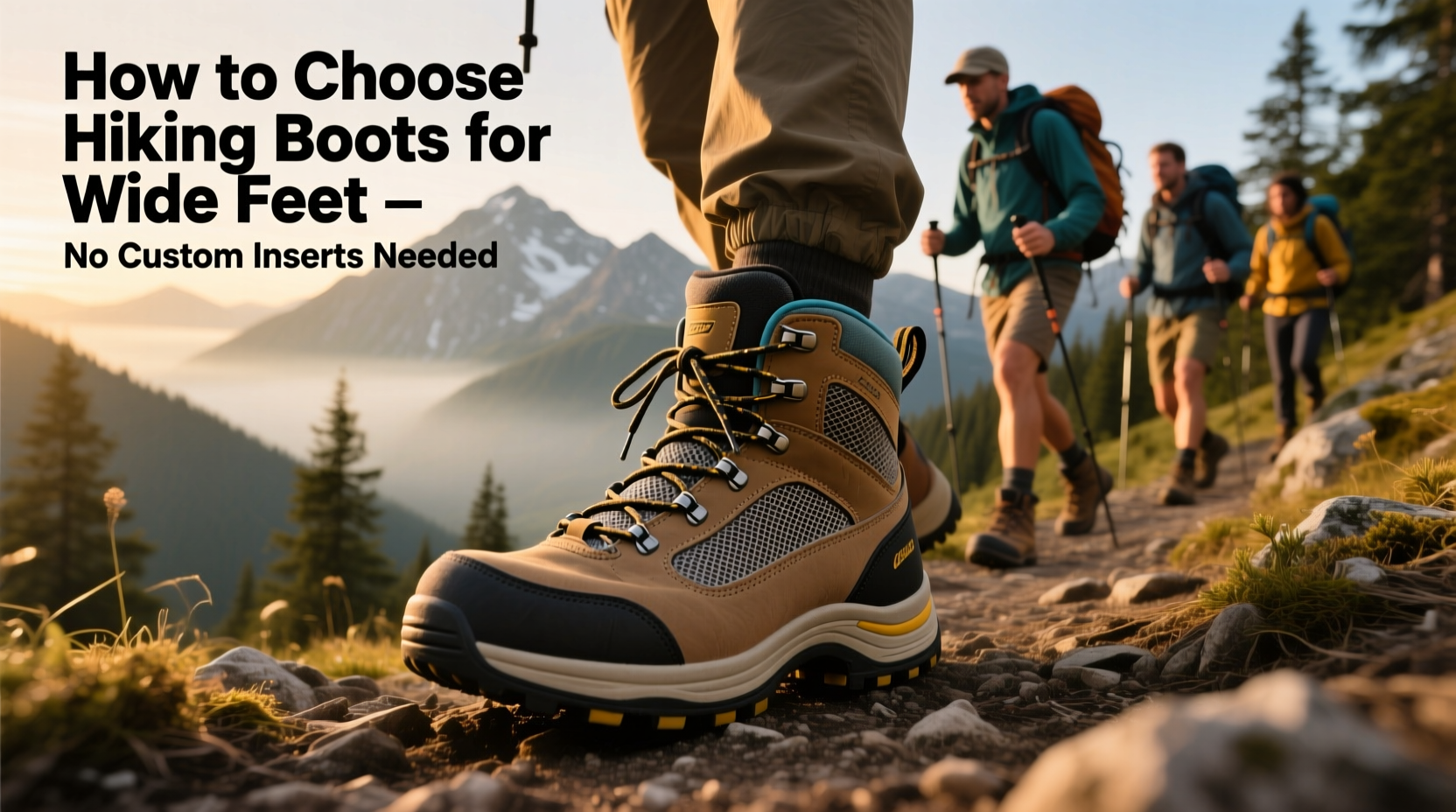
Foot width is more than just a number on a measuring tape—it’s a structural reality that affects balance, stride, and long-term joint health. Standard shoe sizing systems often fail people with wider forefeet or high insteps because they’re built around average proportions. Hiking boots, in particular, demand precision: too tight, and you risk blisters and numbness; too loose, and heel slippage undermines stability on uneven terrain.
The solution isn’t always to size up. Going up a full size may create extra length but not necessarily added width in the right places. Instead, focus on volume distribution—the way a boot shapes space across the toe box, midfoot, and heel. A well-designed wide-fit boot maintains proportional room where it's needed most: across the ball of the foot and toes, without excess girth at the ankle or heel.
Key Features to Look for in Wide-Foot-Friendly Boots
Not all hiking boots are created equal when it comes to accommodating broader feet. Certain construction elements make a significant difference in comfort and performance. Here are the essential features to prioritize:
- Wide Toe Box: Allows toes to splay naturally during descent or uphill push, reducing pressure points and preventing blackened toenails.
- Adjustable Lacing Systems: Mid-foot lacing zones let you fine-tune fit independently across the instep and forefoot, crucial for those with high arches or wide balls of the foot.
- Soft, Flexible Uppers: Leather or synthetic materials with strategic flex zones adapt better to foot shape than stiff, molded designs.
- Heel Lock Without Constriction: A secure heel cup prevents slippage while allowing enough lateral space to avoid pinching the Achilles tendon.
- Removable Insoles (Even If Not Replaced): Some models come with standard insoles that take up unnecessary volume. Removing them—even temporarily—can instantly improve fit if the boot runs slightly narrow.
“Many people with wide feet think they need orthotics, but often what they really need is a boot shaped like their foot.” — Dr. Lena Torres, Podiatrist & Outdoor Footwear Consultant
Top Brands That Offer True Wide-Foot Compatibility
A growing number of outdoor footwear brands now offer dedicated wide-width options or use lasts (the molds used to shape boots) that naturally accommodate broader feet. Below is a comparison of leading brands known for consistent wide-foot performance:
| Brand | Wide Width Option? | Natural Volume Distribution | Best For |
|---|---|---|---|
| Altra | Yes (EE+) | High – Zero-drop, foot-shaped toe box | Trail runners & hikers seeking maximum toe splay |
| Oboz | Yes (B for women, D/E for men) | High – Built on anatomical lasts | All-terrain hiking with durable support |
| Merrell | Limited (some E widths) | Moderate – Improved in recent trail models | Casual hikes and light backpacking |
| Salomon | No official wide sizes | Low – Narrow toe box, snug heel | Narrow to medium feet; less ideal for wide forefeet |
| Danner | Yes (select EE models) | Moderate to High – Premium leathers mold over time | Backpacking, durability-focused users |
| Vasque | Yes (select W versions) | Moderate – Roomier than average in forefoot | Multi-day treks with moderate load |
Among these, Altra stands out for its “foot-shaped” design philosophy, which mimics the natural spread of the foot under load. Their Lone Peak and Olympus series are frequently recommended by podiatrists for wide-footed hikers who want zero-drop geometry and unrestricted toe movement.
Step-by-Step Guide to Fitting Hiking Boots for Wide Feet
Finding the right fit requires more than trying on a pair at a store. Follow this six-step process to ensure optimal comfort and function:
- Measure Both Feet: Stand barefoot on paper, trace outlines, and measure widest point. Use the larger foot as reference.
- Wear Hiking Socks During Fitting: Bring the same thickness socks you plan to hike in—typically mid-weight wool blends.
- Try On Late in the Day: Feet expand throughout the day; evening fittings reflect real hiking conditions.
- Check Toe Clearance: There should be about a thumb’s width (½ inch) between longest toe and boot tip when standing.
- Walk on an Incline: Simulate uphill motion to test if toes stay planted without jamming forward.
- Test Lacing Adjustments: Loosen mid-laces slightly to relieve forefoot pressure while keeping heel locked.
Real Example: Sarah’s Search for All-Day Comfort
Sarah, a weekend backpacker from Colorado, struggled for years with numb toes and hot spots after just a few miles. She had been told she needed custom orthotics due to “overpronation,” but suspected poor boot fit was the real culprit. After switching from a popular narrow-brand boot to the Oboz Sawtooth II Wide, her experience transformed. The boot’s anatomical last provided immediate relief across the metatarsals, and the dual-density midsole offered stability without rigidity. On her next 12-mile trek through Rocky Mountain National Park, she completed the loop without a single blister—and hasn’t looked back.
“I wasted over $300 on inserts that made things worse,” she said. “The right boot did more for my comfort than any doctor-recommended fix.”
Common Mistakes to Avoid
Even experienced hikers make errors when selecting footwear for wide feet. These pitfalls can undermine performance and lead to unnecessary pain:
- Assuming All “Hiking” Boots Are Equal: Design priorities vary widely—from speed-focused minimalism to rugged durability. Know your needs before choosing.
- Ignoring Instep Height: High insteps often accompany wide feet. Boots with rigid tongues or low lacing zones will cut off circulation.
- Buying Based on Price Alone: Cheaper boots often use narrower lasts to reduce material costs. Investing in proper fit pays dividends in comfort and injury prevention.
- Breaking In Too Quickly: Even well-fitting boots need gradual wear. Start with short walks before tackling long trails.
Checklist: Choosing Hiking Boots for Wide Feet (No Inserts Needed)
Use this checklist before purchasing or heading to a retailer:
- ✅ Measured both feet recently, accounting for sock thickness
- ✅ Researched brands with true wide-width offerings (e.g., Altra, Oboz, Danner)
- ✅ Confirmed availability of wide sizes (E or EE) in desired model
- ✅ Verified room in toe box—no compression of pinky or ring toe
- ✅ Tested heel lock with firm steps downhill (simulated or real)
- ✅ Ensured lacing system allows independent adjustment of forefoot and ankle zones
- ✅ Walked on incline/decline surface during fitting
- ✅ Removed insole briefly to assess potential volume gain (if needed)
Frequently Asked Questions
Can I stretch hiking boots to fit wider feet?
Some leather boots can be stretched modestly using professional stretching services or heat-molding techniques. However, synthetic uppers and structured midsoles rarely respond well to stretching. It’s safer to select a boot with inherent width rather than rely on post-purchase modifications.
Do wide hiking boots sacrifice ankle support?
No. Properly designed wide boots maintain structural integrity through reinforced heel counters and supportive midsoles. Brands like Oboz and Danner engineer wide versions with the same torsional rigidity as standard models, ensuring stability on technical terrain.
Are trail runners a better option for wide feet than traditional boots?
For some, yes. Trail runners often feature more flexible, adaptive uppers and generous toe boxes. Models like the Altra Lone Peak or Topo Athletic Terraventure are engineered specifically for natural foot shape. However, they offer less ankle protection and structure, so consider your terrain and pack weight before switching.
Final Considerations: Prioritize Fit Over Fashion
It’s tempting to choose hiking boots based on color, brand reputation, or online reviews alone. But no amount of marketing can override biomechanical mismatch. For wide-footed hikers, prioritizing anatomical compatibility isn’t a luxury—it’s fundamental to enjoying the trail safely and comfortably.
Remember: you don’t need inserts to compensate for a poor fit. You need a boot built for your foot. Whether you're scrambling alpine ridges or exploring forest paths, the right footwear enables endurance, reduces fatigue, and keeps injuries at bay. Take the time to research, measure, and test. Your feet—and your future hikes—will thank you.




 浙公网安备
33010002000092号
浙公网安备
33010002000092号 浙B2-20120091-4
Comments
No comments yet. Why don't you start the discussion?