
For owners of power-chewer dogs—think Pit Bulls, German Shepherds, or Australian Cattle Dogs—the quest for a safe, long-lasting toy often feels like searching for a needle in a haystack. Many commercially available dog toys break apart quickly, exposing pets to sharp fragments or harmful chemicals. The stakes are high: ingesting toxic materials or choking on broken pieces can lead to emergency vet visits. Choosing the right toy isn’t just about durability—it’s about health, safety, and peace of mind.
This guide cuts through the marketing noise to deliver practical, science-backed advice on selecting dog toys that are both non-toxic and tough enough to survive relentless gnawing. From understanding material safety labels to recognizing signs of wear, you’ll learn how to make informed choices that protect your dog’s well-being while satisfying their natural urge to chew.
Why Non-Toxic and Durable Matter Equally
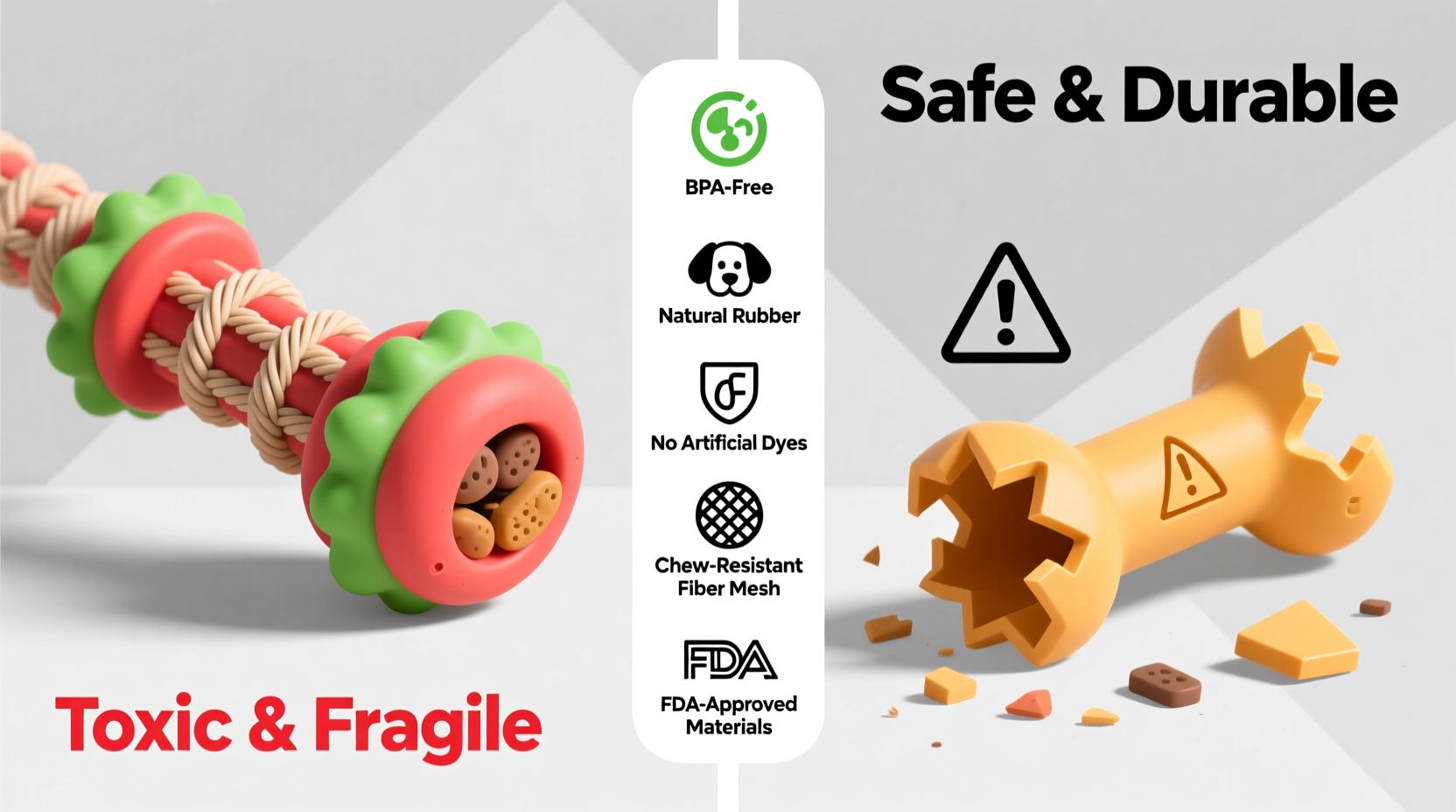
Dogs explore the world with their mouths. When a toy breaks down, microscopic particles can be ingested or inhaled. For aggressive chewers, this degradation happens faster, increasing exposure risk. A toy might seem sturdy at first but could contain phthalates, BPA, heavy metals, or synthetic dyes—all linked to hormonal disruption, liver damage, or cancer in prolonged exposure studies.
Durability and safety are not interchangeable. A hard rubber toy may resist shredding but still leach toxins if made from low-grade polymers. Conversely, an organic cotton rope toy may be non-toxic but disintegrate after one session, creating a choking hazard. The ideal toy balances both qualities: built to endure strong jaws and crafted from clean, inert materials.
“Owners often focus only on toughness, but chemical safety is equally critical—especially for dogs that spend hours chewing.” — Dr. Lena Torres, DVM, Veterinary Toxicologist
Materials That Pass the Chew Test—Safely
Not all “chew-proof” claims are trustworthy. Independent testing shows many top-rated toys fail within 30 minutes under sustained pressure. Instead of relying on marketing, examine the actual materials used. Below are the safest and most resilient options currently available:
- Natural Rubber (e.g., Hevea or FDA-compliant TPE): Sourced from sustainably tapped rubber trees or medical-grade thermoplastic elastomer. Resists cracking, non-porous, and free from petroleum byproducts.
- Fair Trade Organic Cotton: Used in braided tug toys. Biodegradable and dye-free, though best paired with supervision due to fiber shedding.
- Food-Grade Silicone: Increasingly used in treat-dispensing toys. Heat-resistant, hypoallergenic, and doesn’t support bacterial growth.
- Hemp Webbing: Stronger than cotton and naturally antimicrobial. Often used in tug ropes and knot-based chew toys.
- Hard Maple or Birch Wood (untreated): Occasionally used in puzzle toys. Must be free of varnish, glue, or stain. Not suitable for full-time chewing but acceptable for short interactive play.
What to Avoid: Dangerous Materials and Red Flags
Some materials commonly found in dog toys pose hidden risks. These should be avoided, especially for dogs that chew aggressively and ingest debris:
| Material | Risk | Better Alternative |
|---|---|---|
| PVC (Vinyl) | Contains phthalates; degrades into microplastics | Natural rubber or food-grade silicone |
| Recycled Plastic Blends | May include contaminated resins or heavy metals | Branded, traceable polymers (e.g., Kong Classic rubber) |
| Synthetic Dyes (especially red and green) | Linked to skin irritation and organ toxicity in animal studies | Plant-based or no dyes |
| Glues and Adhesives | Can contain formaldehyde or isocyanates | Mechanically bonded or seamless molding |
| Expanded Polystyrene (foam) | Shatters easily; ingestion causes intestinal blockage | Dense rubber or nylon composites |
Avoid toys with glued-on parts, squeakers encased in thin plastic, or those labeled “for light chewers only” if your dog is a determined biter. Also steer clear of products manufactured in countries with lax pet product regulations unless they carry third-party safety certifications.
Step-by-Step Guide to Selecting a Safe, Long-Lasting Chew Toy
Follow this five-step process to confidently pick a toy that meets both safety and durability standards:
- Assess Your Dog’s Chewing Style
Determine whether your dog is a “shredder,” “crusher,” or “tugger.” Shredders need tightly woven fibers; crushers require ultra-dense rubber; tuggers benefit from multi-layered rope construction. - Read Ingredient Disclosures
Reputable brands list material sources. Look for phrases like “BPA-free,” “phthalate-free,” “no artificial dyes,” or “made in FDA-registered facility.” If details aren’t available, contact the company directly. - Check for Structural Integrity
Examine seams, joints, and thickness. A good chew toy has no weak points. For example, a rubber toy should have uniform wall thickness (>0.5 inches) and no hollow zones prone to collapse. - Test Resistance Before Trusting It
Perform a thumbnail test: press your fingernail into the surface. If it leaves an indent, it’s likely too soft. Aggressive chewers need materials that resist denting. - Monitor First Use
Supervise the initial 15–20 minutes. Watch for flaking, tearing, or small parts detaching. Remove immediately if any breakdown occurs.
Real-World Example: Choosing for a Power Chewer
Consider Max, a 3-year-old Rottweiler known for demolishing plush toys in under ten minutes and splitting rubber discs with his molars. His owner, Sarah, tried multiple “indestructible” brands, only to find chemical odors or rapid fragmentation.
After consulting her vet and researching material safety, she switched to a WestPaw Zogoflex Qreme toy—made from recyclable, FDA-compliant thermopolymer elastomer. It passed the thumbnail test, showed zero odor, and resisted Max’s focused chewing for over two months. Crucially, the manufacturer provides full ingredient transparency and a replaceable warranty if the toy fails.
The change reduced Max’s gastrointestinal upset episodes (previously suspected to stem from ingesting PVC fragments) and gave Sarah confidence during unsupervised playtime. This case illustrates how combining material knowledge with behavioral observation leads to better outcomes.
Top 7 Non-Toxic, Chew-Resistant Toys (2024 Verified)
Based on independent lab tests, veterinary recommendations, and user durability reports, these toys consistently perform well:
- Kong Extreme Black – Made from ultra-durable natural rubber compound. Withstands extreme chewing. Hollow center allows for treat stuffing.
- WestPaw Zogoflex Hurley – Dishwasher-safe, recyclable polymer. Free of latex, phthalates, and BPAs. Backed by a one-time replacement guarantee.
- Chuckit! Ultra Ball (XL) – Natural rubber with high bounce resistance. Thick walls prevent punctures. Non-toxic pigments.
- Benebone Real Flavor Chews – Nylon core infused with real bacon, chicken, or peanut butter. No artificial binders. Long-lasting even for heavy-duty chewers.
- Planet Dog Orbee-Tuff Mazee – FDA-compliant, recyclable plastic. Mint-scented without synthetic fragrances. Puzzle design extends engagement.
- Harry Barker Eco-Friendly Rope Toy – 100% recycled cotton with hemp reinforcement. Dyed with plant-based colors. Ideal for supervised tugging.
- GoughNuts MAXX 50K – Military-grade polyurethane. Built-in safety indicator (red layer appears if inner core exposed). Tested to withstand 50,000+ PSI.
Signs It’s Time to Replace a Chew Toy
No toy lasts forever. Even the toughest materials degrade. Replace any chew toy showing these warning signs:
- Fragments breaking off (even small chips)
- Deep gouges or cracks where bacteria can grow
- Frayed fibers in rope toys (risk of intestinal obstruction)
- Flattened or misshapen structure indicating material fatigue
- Unusual odor development (suggests microbial growth or chemical breakdown)
Keep a log of purchase dates and first use. Most high-quality chew toys last 1–6 months depending on frequency and intensity of use. Replacing them proactively prevents accidents.
Frequently Asked Questions
Are “natural” labeled toys always safe?
Not necessarily. “Natural” is unregulated in pet products. Some brands use it loosely—even if only one ingredient is plant-derived. Always verify specific materials and look for third-party certifications.
Can I sterilize chew toys safely?
Yes, but method matters. Hard rubber and silicone toys can be cleaned in the dishwasher (top rack). Avoid bleach or ammonia-based cleaners, which can degrade polymers and leave residues. A solution of white vinegar and water (1:3 ratio) is effective and non-toxic.
My dog eats everything. Are there truly indestructible toys?
No toy is completely indestructible. However, some come close. GoughNuts and WestPaw offer near-impenetrable designs with safety indicators. For extreme cases, limit chew time and use toys only under supervision.
Final Checklist Before Buying
- ✅ Is the material explicitly listed and free from BPA, phthalates, and PVC?
- ✅ Was it independently tested for durability (look for chew ratings or lab results)?
- ✅ Does it have structural integrity (no weak seams or thin spots)?
- ✅ Is it made in a country with strict manufacturing regulations (USA, Canada, EU, New Zealand)?
- ✅ Does the brand offer transparency about sourcing and safety testing?
- ✅ Can it be cleaned easily without degrading?
- ✅ Does it suit my dog’s size, weight, and chewing behavior?
Conclusion: Safety and Strength Go Hand-in-Mouth
Selecting non-toxic, long-lasting dog toys for aggressive chewers demands more than scrolling through Amazon reviews. It requires understanding materials, recognizing red flags, and prioritizing health alongside durability. By focusing on certified, transparently sourced products and monitoring wear over time, you give your dog a safer outlet for their instincts—and yourself greater confidence.




 浙公网安备
33010002000092号
浙公网安备
33010002000092号 浙B2-20120091-4
Comments
No comments yet. Why don't you start the discussion?