
Running with flat feet—also known as overpronation—requires footwear that supports your arches, stabilizes your gait, and prevents long-term joint stress. While many experts recommend visiting a specialty running store for gait analysis and personalized fitting, not everyone has access to one. Whether you're in a rural area, short on time, or prefer shopping online, it's entirely possible to find high-quality running shoes tailored to flat feet from home.
The key lies in understanding your foot mechanics, knowing what features to look for, and using reliable resources to guide your decision. With the right approach, you can make an informed purchase that enhances comfort, improves performance, and reduces injury risk—all without stepping into a specialty store.
Understanding Flat Feet and Running Mechanics
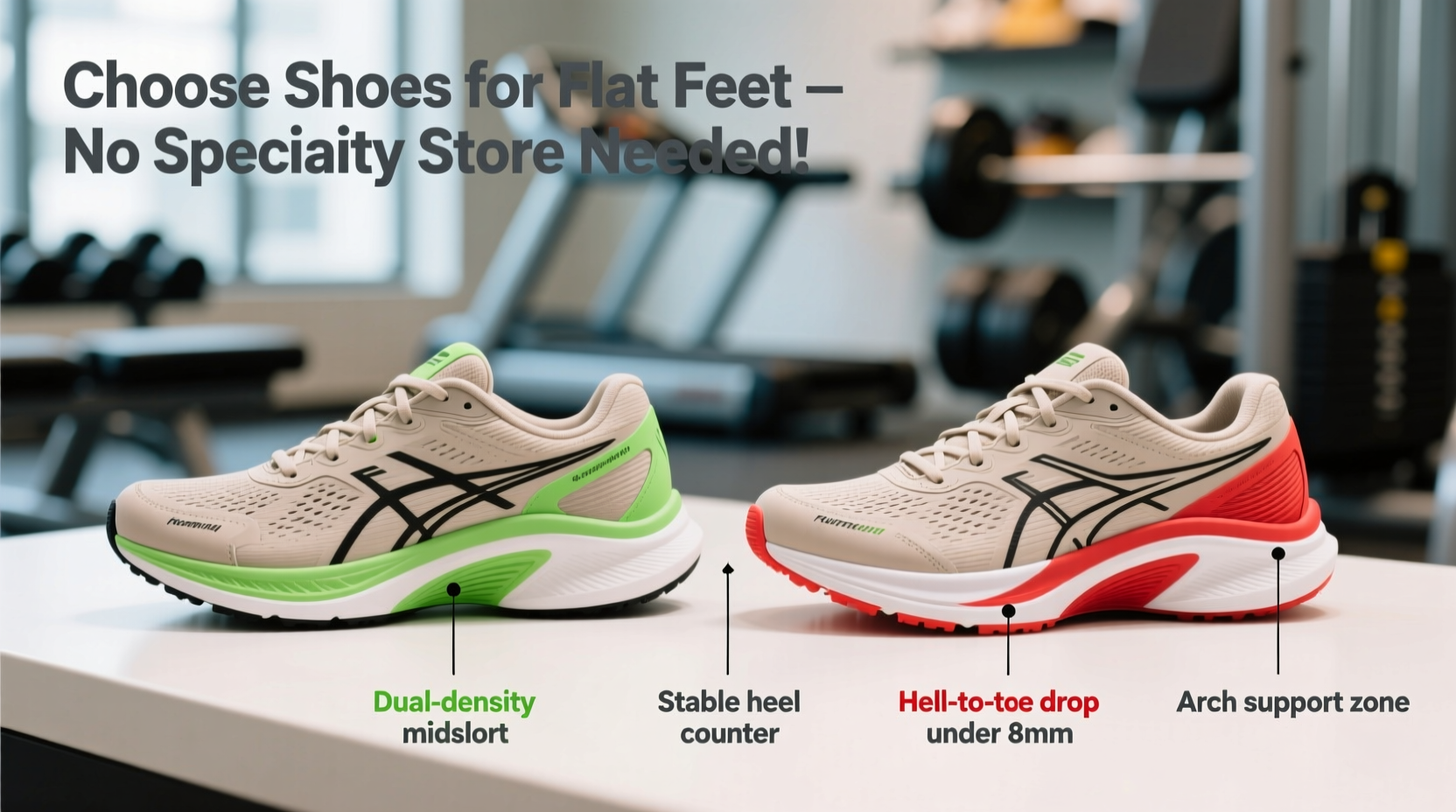
Flat feet occur when the arches of the foot collapse under weight, causing the entire sole to touch the ground. This condition affects up to 30% of adults and often leads to overpronation—the inward rolling of the foot during each stride. While some pronation is natural, excessive movement places strain on the ankles, knees, and hips, increasing the risk of plantar fasciitis, shin splints, and Achilles tendinitis.
For runners with flat feet, the ideal shoe provides structured support to control motion and realign the foot. Unlike neutral runners who may benefit from lightweight, flexible shoes, flat-footed runners need stability or motion-control features built into the midsole and heel counter.
“Runners with flat feet require shoes that limit excessive inward motion. Without proper support, even short runs can lead to chronic pain.” — Dr. Lena Torres, Podiatrist and Sports Medicine Specialist
Identifying whether you have flat feet doesn’t require a clinical visit. A simple wet test at home can help: wet the bottom of your foot and step onto a surface that shows your footprint. If nearly the entire outline appears—including the middle part where the arch should be—it’s likely you have low or no arches.
Key Features to Look for in Running Shoes for Flat Feet
When shopping online or in general retail stores, focus on specific structural elements that distinguish supportive shoes from neutral ones. These features compensate for lack of natural arch support and help maintain alignment throughout your run.
- Firm medial post: A denser foam wedge on the inner side of the midsole resists inward collapse during footstrike.
- Structured heel counter: A stiff cup around the heel locks the foot in place and reduces excessive motion.
- Arch reinforcement: Some models include molded arch supports or shanks to prevent flattening under load.
- Wide base: A broader platform increases stability, especially on uneven terrain.
- Dual-density midsoles: These use varying foam densities to guide the foot into a more neutral position.
Brands like Brooks, ASICS, Saucony, and New Balance offer dedicated stability lines such as the Brooks Adrenaline GTS, ASICS GT-2000, and Saucony Guide. These are consistently rated among the top choices for flat-footed runners due to their balanced blend of cushioning and control.
Step-by-Step Guide to Choosing the Right Shoe Online
Buying running shoes remotely requires diligence, but following a systematic process greatly increases your chances of success. Use this timeline to evaluate options, compare models, and make a confident selection.
- Assess your current footwear: Examine the wear pattern on your existing running shoes. If the inner side of the sole is significantly more worn, you’re likely overpronating and need stability support.
- Measure your feet at home: Trace both feet on paper while standing. Measure length and width, then compare to brand-specific sizing charts. Many runners with flat feet also have wider feet, so check for available wide-width options (e.g., 2E or 4E).
- Research top-rated stability shoes: Use trusted review platforms like Runner’s World, DC Rainmaker, or Podiatry Today to identify models frequently recommended for flat feet.
- Read user reviews with similar conditions: Filter Amazon or REI reviews by keywords like “flat feet,” “overpronation,” or “arch pain” to see how others with your needs responded to the shoe.
- Check return policies: Only buy from retailers offering free returns or extended trial periods (e.g., 30–90 days). Brands like Hoka and Topo Athletic allow full refunds even after outdoor testing.
- Test at home rigorously: Walk, jog, and do lunges indoors first. Pay attention to heel slippage, arch pressure, and overall balance. Break them in gradually over several short sessions before committing.
What to Do If the Fit Feels Off
Even well-reviewed shoes may not suit your unique biomechanics. Common red flags include:
- Pain or pressure along the arch or ball of the foot
- Heel slipping despite lacing adjustments
- Tightness across the forefoot during toe-off
- Uneven rocking sensation during strides
If any of these occur, don’t push through discomfort. Return the shoes and try a different model—preferably one with a roomier toe box or higher stack height for added shock absorption.
Comparison Table: Top Stability Shoes for Flat Feet (2024)
| Model | Arch Support Level | Weight (Men's Size 9) | Stability Technology | Best For |
|---|---|---|---|---|
| Brooks Adrenaline GTS 23 | High | 10.3 oz | GuideRails® support system | Daily training, long distances |
| ASICS GT-2000 12 | High | 10.1 oz | DuoMax® midsole, LITETRUSS™ | Road running, moderate overpronation |
| Saucony Guide 17 | High | 10.0 oz | TPU medial post, FORMFIT chassis | Balanced cushioning and responsiveness |
| New Balance 860v14 | Very High | 10.5 oz | Stable Rollbar, dual-density foam | Severe overpronation, heavier runners |
| Hoka Arahi 6 | Moderate-High | 9.1 oz | J-Frame™ stability, meta-rocker | Lightweight support, smooth transitions |
Note: The Hoka Arahi uses J-Frame technology—a firmer foam section on the medial side—instead of traditional posts, offering a smoother ride while still correcting overpronation. It’s ideal for those transitioning from neutral shoes.
Real Example: Sarah’s Experience Buying Online
Sarah, a 38-year-old teacher from Montana, had been running sporadically for years but always experienced knee pain after three miles. She suspected her flat feet were the cause but lived two hours from the nearest specialty running store. After researching online, she discovered the Brooks Adrenaline GTS series was frequently recommended for overpronators.
She measured her feet at home and found she was a US women’s 9 wide. Using REI’s website, she filtered for “wide” and “stability” shoes, read dozens of reviews mentioning “flat feet relief,” and ordered the Adrenaline GTS 23 in a wide fit with free shipping and returns.
After testing them on short walks and a 2-mile jog, she noticed immediate improvements: no arch fatigue, stable landings, and reduced knee strain. She kept the shoes and now logs 15–20 miles per week pain-free. Her only regret? Not trying supportive shoes sooner.
Expert Tips and Practical Checklist
Even without professional fitting, you can mimic the evaluation process used in specialty stores. Use this checklist to ensure you’ve covered all bases before purchasing.
✅ Running Shoe Selection Checklist for Flat Feet
- ☑ Confirmed flat feet via wet test or past diagnosis
- ☑ Measured foot length and width at home (in cm/inches)
- ☑ Identified preferred brand size based on official charts
- ☑ Selected shoes labeled “stability,” “motion control,” or “support”
- ☑ Verified presence of medial post or internal support structure
- ☑ Checked customer reviews from users with similar foot type
- ☑ Confirmed return policy allows outdoor testing
- ☑ Compared multiple models using trusted review sources
- ☑ Chose appropriate width (D, 2E, 4E) if needed
- ☑ Tested shoes at home on hard surfaces before full runs
“The most important thing isn’t the brand—it’s whether the shoe controls motion without restricting natural movement. Comfort is non-negotiable.” — Dr. Marcus Lee, Physical Therapist and Gait Analyst
Frequently Asked Questions
Can I use orthotics with running shoes for flat feet?
Yes, many stability shoes work well with custom or over-the-counter orthotics. Look for removable insoles and a deep heel cup to accommodate inserts. However, most modern stability shoes provide enough built-in support that additional orthotics aren’t necessary unless prescribed by a podiatrist.
How often should I replace my running shoes if I have flat feet?
Every 300–500 miles, or about every 6–9 months for moderate runners. Flat-footed runners often experience faster midsole compression due to increased pronation forces, so monitor tread wear and loss of support. If your arches start feeling unsupported or pain returns, it’s time for a replacement—even if the outsole looks fine.
Are there any stretches or exercises that help flat-footed runners?
Yes. Strengthening the posterior tibialis muscle (which supports the arch) can improve foot function. Try towel scrunches, heel raises with inward rotation, and resistance band exercises. Additionally, calf and Achilles stretches reduce tension that can worsen overpronation.
Final Thoughts: Confidence in Every Step
Choosing the right running shoes for flat feet from home is not only possible—it can be empowering. By combining self-assessment, targeted research, and careful testing, you can find footwear that supports your body and fuels your passion for running. You don’t need a specialty store to make a smart decision; you just need knowledge, patience, and attention to detail.
The best shoe is the one that feels stable, fits securely, and lets you move without pain. With so many brands now offering generous trial periods and detailed product breakdowns, there’s never been a better time to shop confidently online.




 浙公网安备
33010002000092号
浙公网安备
33010002000092号 浙B2-20120091-4
Comments
No comments yet. Why don't you start the discussion?