
Hiking with your dog enhances the outdoor experience, but it also introduces new logistical challenges. One of the most important decisions you’ll make is selecting the right backpack—not just for yourself, but one that accommodates your dog’s needs as well. Whether you're planning a short trail loop or a multi-day trek, the right pack ensures comfort, safety, and efficiency for both you and your canine companion. The wrong choice can lead to discomfort, fatigue, or even injury. This guide walks through the essential considerations, from load distribution and hydration systems to dog-carrying options and durability, so you can make an informed decision tailored to your adventures.
Assess Your Hiking Needs and Dog’s Role
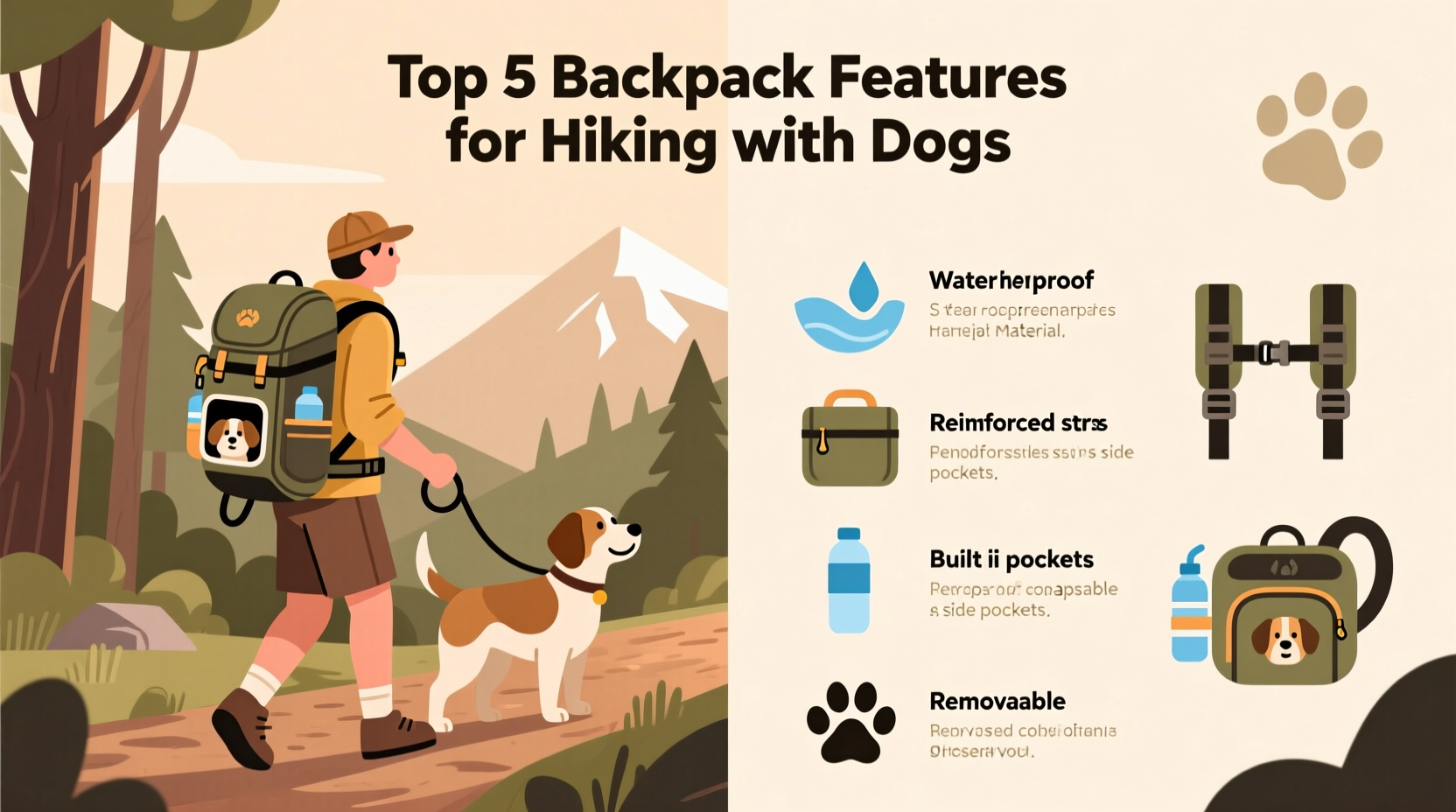
Before browsing models or comparing brands, define how your dog will participate in the hike. Will they carry their own supplies? Do they need to be carried partway due to terrain or size? Are you hiking in extreme weather where temperature regulation matters? These questions shape your backpack requirements.
Dogs under 25 pounds often benefit more from being carried, especially on steep or rocky trails. Medium to large dogs (30+ pounds) with good stamina can comfortably wear doggy backpacks to share the load. However, puppies, senior dogs, or those with joint issues should never carry weight.
Consider your typical trip length. Day hikes require less storage than overnight trips, which may need space for dog food, collapsible bowls, waste bags, and emergency supplies. A realistic assessment of your route, duration, and your dog’s physical capabilities informs the type of backpack system you need—whether it's a human pack with dog-carrying capability or a dual-purpose setup including gear for both.
Key Features to Look For in a Human Backpack
The ideal hiking backpack for dog owners balances human ergonomics with pet-friendly functionality. Here are the non-negotiable features:
- Weight Distribution System: Look for packs with adjustable hip belts and load lifters. Properly distributed weight reduces strain during long hikes, especially if carrying your dog occasionally.
- Dog Carrier Compatibility: Some backpacks come with built-in harness attachment points or external loops designed to secure a dog carrier. Others integrate a fold-out mesh panel that converts into a temporary sling.
- Accessibility: Top-loading packs are common, but side-zippered compartments allow quick access to dog essentials like water, treats, or a jacket without unpacking everything.
- Hydration Bladder Support: Staying hydrated is crucial for both hiker and dog. Choose a pack with an internal sleeve and hose routing for a water reservoir. Bonus: some models include an external dog-bowl attachment that connects directly to the bladder.
- Durability: Ripstop nylon or Cordura fabric resists abrasion from trails, brush, and occasional dog claws. Reinforced stitching at stress points adds longevity.
“Ergonomic design isn’t just about comfort—it prevents long-term musculoskeletal issues, especially when carrying extra weight like a small dog.” — Dr. Lena Torres, Veterinary Sports Medicine Specialist
Recommended Capacity by Trip Type
| Trip Duration | Backpack Size (Liters) | Dog-Specific Considerations |
|---|---|---|
| Day Hike (4–8 hours) | 20–35L | Pack room for collapsible bowl, 1L water, waste bags, light jacket |
| Overnight (1–2 nights) | 40–55L | Add space for dog food, first-aid kit, LED collar strap, sleeping pad |
| Multi-Day (3+ days) | 55–75L | Include dog booties, extra leash, portable GPS tracker, rain cover |
Dog-Specific Backpacks: When and How to Use Them
If your dog is physically capable, a dog-worn backpack lightens your load and keeps them engaged. These packs typically have two saddlebags that distribute weight evenly along the dog’s back, avoiding pressure on the spine.
Choose a dog backpack with padded straps, reflective trim, and quick-dry materials. Most models range from 10–25 pounds in total carrying capacity, but experts recommend loading no more than 10–12% of your dog’s body weight. For example, a 50-pound dog should carry no more than 5–6 pounds.
Step-by-Step Guide to Fitting a Dog Backpack
- Measure your dog’s girth behind the front legs and along the back from base of neck to tail.
- Select a size based on manufacturer’s chart—never guess.
- Place the empty pack on your dog and adjust all straps for a snug, non-restrictive fit.
- Ensure you can fit two fingers under any strap; too tight restricts movement and breathing.
- Add lightweight items first (e.g., empty water bottle) and walk around the yard to observe gait.
- Gradually increase weight over several short outings before using on a real hike.
Not all dogs are suited for backpacks. Breeds with short snouts (like Bulldogs or Pugs) may struggle with breathing under exertion. Similarly, dogs with hip dysplasia or arthritis should avoid carrying loads. Always consult your vet before introducing a loaded pack.
Integrated vs. Modular Systems: What Works Best?
You have two primary approaches: integrated systems (one pack that carries both you and your dog’s gear) or modular setups (separate packs for human and dog).
Integrated systems are ideal for small dogs or infrequent carriers. Brands like Deuter and Osprey offer models with stowable harnesses or external pockets that convert into supportive slings. These are convenient for sudden pickups—say, when your dog tires halfway through a 10-mile trail.
Modular systems work better for larger dogs or longer expeditions. You use a standard hiking backpack and equip your dog with their own pack. This distributes weight efficiently and promotes independence. It also allows customization—your dog’s pack can include insulation in winter, cooling inserts in summer, or bright colors for visibility.
Do’s and Don’ts: Integrated vs. Modular Comparison
| Scenario | Best Choice | Why |
|---|---|---|
| Hiking with a tired 15-lb Shih Tzu | Integrated (human pack with carrier) | Easier to switch to carry mode mid-hike |
| Weekend trek with a 60-lb Australian Shepherd | Modular (dog carries own pack) | Efficient weight sharing; dog stays active |
| Dog has low endurance | Integrated | Reduces strain; centralizes control |
| Hiking in high heat | Modular (with cooling vest compatibility) | Avoids overheating from added contact layers |
“Dogs are athletes too. Their gear should support performance, not hinder it.” — Mark Rios, Canine Fitness Trainer and Trail Guide
Real-World Example: A Weekend Hike in the Smokies
Sarah, an experienced hiker from Asheville, regularly takes her 3-year-old Border Collie, Scout, on weekend trails in Great Smoky Mountains National Park. On a recent 12-mile loop with 2,500 feet of elevation gain, she used a 45-liter Osprey Atmos AG pack with a removable dog sling.
Scout started strong, wearing his own 8-pound pack with water, treats, and a lightweight jacket. By mile eight, he began lagging on steep ascents. Sarah quickly deployed the sling feature, securing Scout safely against her back. The weight transfer was smooth thanks to the Anti-Gravity suspension system, and she completed the final three miles without discomfort.
“Having the option to carry him changed everything,” Sarah said. “I didn’t have to rush or cut the hike short. He got the adventure, and I stayed safe.”
This scenario highlights the value of flexibility. Sarah’s preparation—training Scout to wear a pack, knowing his limits, and choosing a versatile human backpack—allowed her to adapt seamlessly to changing conditions.
Frequently Asked Questions
Can I use a regular backpack for hiking with my dog?
You can, but it’s not ideal. Regular backpacks lack features like dog carrier integration, hydration routing for pets, or external attachment points for leashes and bowls. Purpose-built hiking packs improve safety and accessibility, especially on rugged terrain.
How do I keep my dog safe if I need to carry them?
Use a backpack with a dedicated, ventilated compartment or external harness system. Never dangle your dog from straps or carry them in a stuff sack. Ensure their airway is unobstructed and check frequently for signs of stress or overheating.
What if my dog refuses to wear a backpack?
Start slowly. Let them sniff and explore the pack. Reward with treats when they approach or wear it briefly. Use positive reinforcement training over several weeks. If they consistently resist, they may not be suited for load-carrying—opt for a human pack with carrier features instead.
Essential Checklist Before You Buy
- ✅ Measure your torso length for proper backpack fit
- ✅ Confirm dog’s weight and fitness level for carrying
- ✅ Decide between integrated or modular system
- ✅ Test pack fit in-store or via return policy
- ✅ Include dog-specific items: collapsible bowl, waste bags, ID tag
- ✅ Verify warranty and customer support from brand
- ✅ Practice short outings before committing to long hikes
Final Thoughts: Invest in Safety, Comfort, and Shared Adventure
Choosing the best backpack for hiking with a dog isn’t just about storage capacity or brand reputation—it’s about creating a sustainable, enjoyable experience for both of you. The right pack supports your dog’s well-being while enhancing your own mobility and preparedness. Whether you opt for a high-tech integrated model or a simple modular setup, prioritize fit, function, and safety above aesthetics.
Remember, every dog is different. What works for a high-energy Husky may not suit a cautious Cavalier King Charles Spaniel. Take the time to assess your dog’s personality, physical ability, and trail behavior. Then, pair that understanding with smart gear choices.




 浙公网安备
33010002000092号
浙公网安备
33010002000092号 浙B2-20120091-4
Comments
No comments yet. Why don't you start the discussion?