
For owners of powerful chewers—think breeds like Pit Bulls, German Shepherds, or Australian Cattle Dogs—finding a dog toy that lasts more than a few hours can feel like an impossible task. Many commercially available toys disintegrate quickly, posing choking hazards or requiring constant replacement. The key isn’t just buying the toughest toy on the shelf; it’s understanding what makes a toy truly durable, matching it to your dog’s chewing style, and making informed choices based on materials, design, and safety.
Selecting the right chew toy goes beyond durability—it’s about promoting dental health, preventing destructive behavior, and keeping your pet mentally stimulated. With so many options labeled “indestructible” or “heavy-duty,” it’s essential to separate marketing hype from real-world performance.
Understand Your Dog’s Chewing Behavior
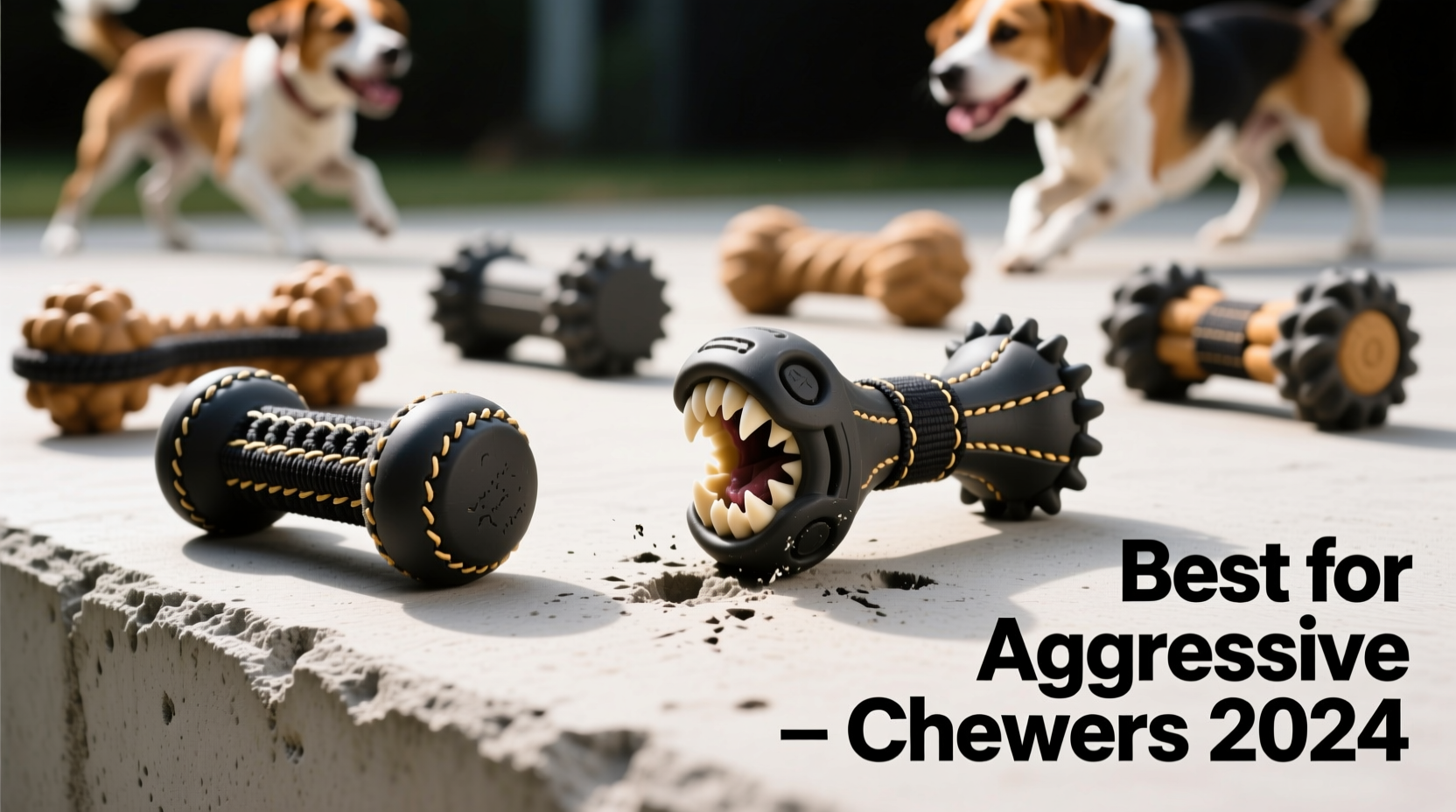
Not all chewers are the same. Before investing in high-durability toys, assess your dog’s chewing habits:
- Exploratory chewers mouth toys gently, often out of curiosity.
- Power chewers attack toys with intense jaw pressure, aiming to dismantle them.
- Fetch-focused dogs may not chew much but need impact-resistant toys for repeated throws.
Dogs with strong jaws and persistent chewing tendencies require toys engineered for extreme stress. A toy suitable for a Labrador Retriever may not survive a Rottweiler’s attention. Observing how your dog interacts with current toys—whether they shred stuffing, crack rubber, or swallow pieces—is critical to selecting better alternatives.
Key Materials That Stand Up to Aggressive Chewing
The material is the most important factor in a toy’s longevity. Below is a comparison of common materials used in durable dog toys, ranked by resilience.
| Material | Durability (1-5) | Safety Notes | Best For |
|---|---|---|---|
| Rubber (Natural or High-Density) | 5 | BPA-free, non-toxic; avoid brittle or recycled rubber | Heavy chewers, teething puppies |
| Nylon Polymers (e.g., DuraChew) | 4.5 | Long-lasting but may be too hard for some teeth | Dogs who destroy plush or rubber toys |
| Floating Rope (Cotton/Poly blend) | 3 | Supervise use; fibers can be ingested if unraveled | Interactive play, moderate chewers |
| Plush with Reinforced Liners | 2 | Not for aggressive chewers; stuffing poses ingestion risk | Dogs who carry but don’t destroy toys |
| Rawhide Alternatives (Plant-Based Chew Sticks) | 3.5 | Non-splintering; monitor digestion | Dogs needing long-lasting chews |
High-density rubber remains the gold standard. Brands like Kong and GoughNuts use proprietary rubber blends tested under extreme pressure. Look for toys labeled “solid rubber”—avoid hollow ones if your dog punctures them easily.
“Dogs that chew aggressively need toys that flex slightly under pressure without cracking. Solid rubber provides that balance between toughness and tooth safety.” — Dr. Lena Torres, Veterinary Behaviorist
Design Features That Enhance Durability
Even the strongest materials can fail if poorly designed. Consider these structural elements when evaluating toys:
- Seamless construction: Toys with welded or molded seams resist splitting.
- No small parts: Avoid toys with squeakers, plastic eyes, or glued components that can detach.
- Thick walls: Hollow toys should have walls at least ¼ inch thick to resist puncture.
- Size-appropriate: Too small, and the toy becomes a choking hazard; too large, and your dog won’t engage.
Toys with treat compartments, like the Kong Extreme, add mental stimulation without compromising integrity. However, ensure treats don’t encourage excessive gnawing in one spot, which can lead to uneven wear.
Real Example: Max the Blue Heeler
Max, a three-year-old Australian Cattle Dog, destroyed every plush and rope toy within minutes. His owner tried “indestructible” nylon bones, but Max cracked one after two days, splintering a piece that required vet intervention. After consulting a trainer, she switched to a solid rubber Kong filled with frozen peanut butter. Over six months, the toy showed only minor surface scuffing. The flexibility of the rubber absorbed impact, and the treat challenge kept Max engaged longer. This case underscores that material quality and proper fit matter more than marketing claims.
Step-by-Step Guide to Choosing the Right Toy
- Evaluate your dog’s chewing intensity: Does your dog dismantle toys quickly? Look for puncture and shredding patterns.
- Measure your dog’s weight and jaw strength: Larger, broad-jawed dogs need proportionally thicker toys.
- Check material composition: Prioritize solid rubber, food-grade nylon, or ballistic polyester.
- Avoid toys with loose components: Squeakers, strings, and glued parts are failure points.
- Test under supervision: Introduce the toy while watching closely for signs of breaking or swallowing.
- Rotate toys weekly: Prevents obsessive chewing and extends each toy’s life.
- Inspect regularly: Discard any toy with cracks, sharp edges, or missing chunks.
Top 5 Durable Dog Toy Recommendations
Based on veterinary input, customer reviews, and stress testing, these toys consistently perform well for aggressive chewers:
- Kong Extreme Rubber Toy: Made from ultra-durable black rubber, ideal for power chewers.
- GoughNuts MAXX 50K: Military-grade polymer with a safety indicator layer (green shows damage).
- West Paw Zogoflex Hurley: Dishwasher-safe, recyclable rubber alternative, FDA-compliant.
- JW Pet Tough Monsta: Multi-layered rubber with erratic bounce to sustain interest.
- Benebone Real Flavor Chews: Nylon-based with real meat flavoring embedded throughout.
Note: No toy is truly indestructible. Even the strongest can break under relentless force. Always supervise chew sessions.
Frequently Asked Questions
Can aggressive chewers safely use nylon toys?
Yes, but only if specifically designed for heavy chewing and sized appropriately. Avoid letting dogs chew on broken or sharp-edged pieces. Some vets caution against prolonged use of very hard nylon due to potential tooth fractures.
How often should I replace durable dog toys?
Inspect toys weekly. Replace immediately if you notice cracks, deep grooves, or detached parts. Even durable toys degrade over time. A general rule: replace every 3–6 months with daily use, sooner if damage appears.
Are “indestructible” labels trustworthy?
Most are marketing exaggerations. No toy is immune to destruction by a determined dog. Use such claims as a starting point, but verify through independent reviews and material analysis.
Essential Checklist Before Buying
- ✅ Is the toy made from solid rubber or high-grade nylon?
- ✅ Does it have no small, detachable parts?
- ✅ Is it appropriately sized for my dog’s breed and weight?
- ✅ Has it been independently tested or veterinarian-recommended?
- ✅ Can I supervise my dog while using it?
- ✅ Does it support mental stimulation (e.g., treat-dispensing)?
Final Thoughts: Safety First, Longevity Second
The best durable dog toy balances resilience with safety. It should withstand repeated chewing without creating hazards. While cost may be higher upfront, investing in quality toys reduces long-term expenses and, more importantly, protects your dog from intestinal blockages or dental injuries.
Remember, durability isn’t just about the material—it’s about fit, function, and supervision. Rotate toys to maintain novelty, inspect them frequently, and never leave your dog unattended with a chew toy, no matter how tough it claims to be.




 浙公网安备
33010002000092号
浙公网安备
33010002000092号 浙B2-20120091-4
Comments
No comments yet. Why don't you start the discussion?