
Outdoor slippers have evolved from backyard-only footwear into versatile, rugged options suitable for patios, trails, campgrounds, and even light errands. For men seeking both comfort and durability, selecting the right pair requires more than just a casual glance at style. The ideal outdoor slipper balances support, weather resistance, traction, and long-term wearability. With so many materials, designs, and price points available, making an informed choice ensures you invest in footwear that performs where it matters—outside.
Understand the Difference Between Indoor and Outdoor Slippers
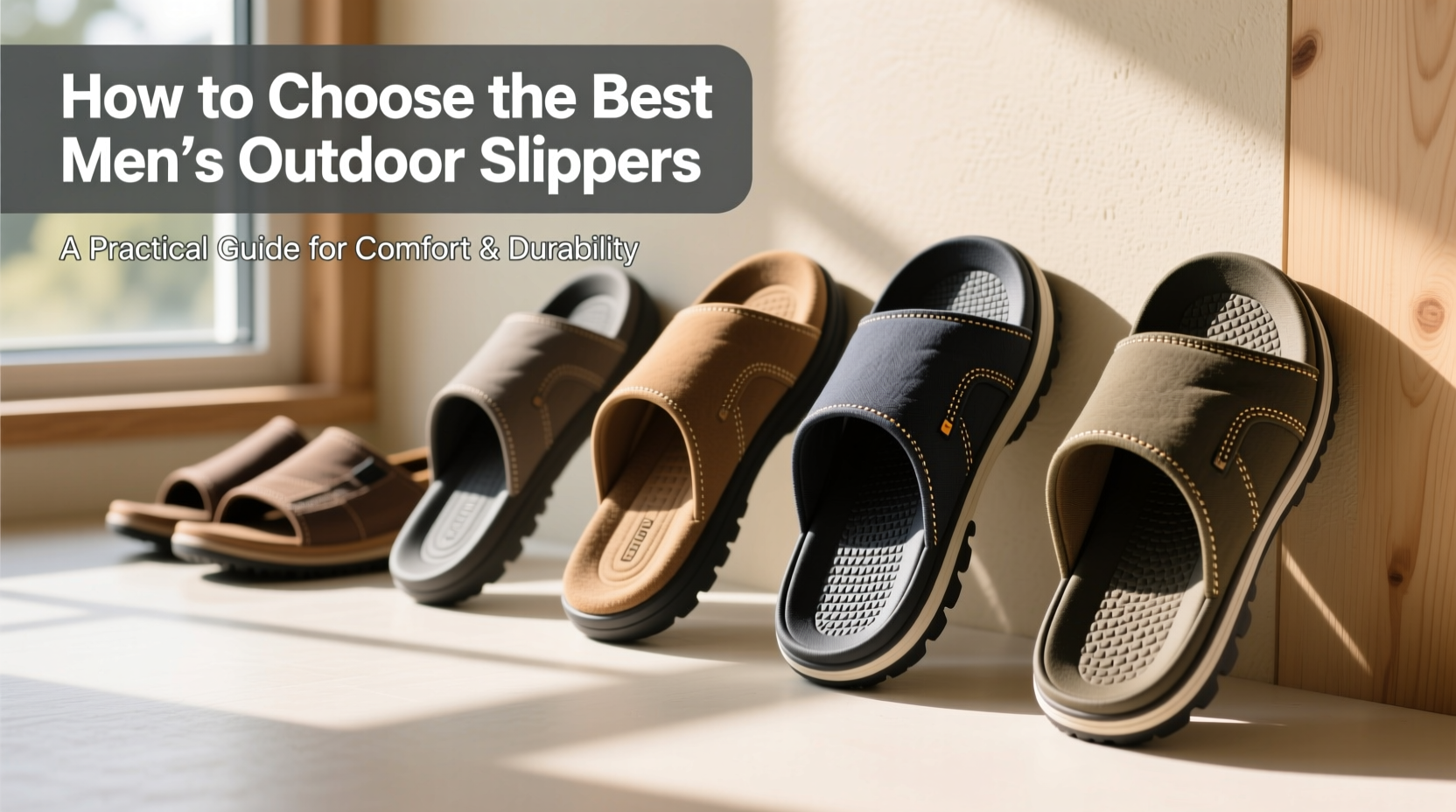
Indoor slippers prioritize softness and warmth but often lack the structural integrity needed for outdoor terrain. Outdoor slippers, on the other hand, are engineered to withstand gravel, damp grass, uneven surfaces, and occasional rain. Key differences include:
- Sole construction: Outdoor models feature rubber or EVA outsoles with tread patterns; indoor versions typically use flat foam or fabric soles.
- Upper materials: Water-resistant synthetics, treated canvas, or quick-dry fabrics replace plush fleece or wool.
- Support level: Arch contouring and heel stability are common in outdoor designs, which help prevent fatigue during extended wear.
Key Features That Define Quality Outdoor Slippers
When evaluating men’s outdoor slippers, focus on five core components that determine both comfort and longevity.
1. Outsole Durability and Traction
The outsole is your first defense against slipping, cracking, or wearing down prematurely. Look for:
- Rubber compounds (natural or synthetic) over thin foam
- Deep lug patterns or multidirectional treads
- Non-marking soles if using on decks or patios
2. Midsole Support and Cushioning
A responsive midsole absorbs impact when walking on concrete or packed dirt. EVA (ethylene-vinyl acetate) foam is common due to its lightweight cushioning, though higher-end models may incorporate memory foam with structured arch support.
3. Upper Material and Weather Resistance
Nylon, polyester blends, or suede with water-repellent coatings handle moisture better than cotton or unlined leather. Some brands apply DWR (durable water repellent) finishes that cause water to bead and roll off.
4. Closure and Fit Security
While traditional slippers rely on heel drop, outdoor styles benefit from adjustable straps, hook-and-loop closures, or elastic goring to keep the foot secure during movement.
5. Drainage and Drying Speed
If you anticipate puddles, dewy grass, or poolside use, choose slippers with perforated uppers or open-heel designs that allow water to escape and air to circulate.
“Many men overlook fit continuity between indoor and outdoor footwear. A properly secured outdoor slipper reduces tripping risk by up to 70% compared to loose-fitting models.” — Dr. Alan Pierce, Podiatrist & Footwear Consultant
Material Comparison: What Works Best Outside?
| Material | Pros | Cons | Best For |
|---|---|---|---|
| Rubber | Highly durable, waterproof, excellent grip | Can be heavy, less breathable | Wet environments, pool decks |
| EVA Foam | Lightweight, shock-absorbing, quick-drying | Less support over time, prone to compression | Casual walks, dry climates |
| Suede (treated) | Stylish, moderately water-resistant | Requires maintenance, stains easily | Patio lounging, mild conditions |
| Synthetic Fabric (Nylon/Polyester) | Durable, breathable, dries fast | May lack insulation | All-purpose outdoor use |
| Leather (full-grain, oiled) | Naturally water-resistant, ages well | Expensive, needs conditioning | Cooler weather, rustic settings |
Step-by-Step Guide to Choosing Your Ideal Pair
Selecting the right outdoor slipper doesn’t need to be overwhelming. Follow this logical process to narrow your options efficiently.
- Define your primary use case: Are you walking dogs, gardening, running short errands, or just stepping outside for fresh air? This determines required durability and support.
- Measure your feet at day’s end: Feet swell slightly throughout the day. Use this measurement for accuracy, especially if considering snug-fitting models.
- Check for adjustability: Opt for slippers with straps or elastic bands if you have wide feet or need extra heel lockdown.
- Test tread depth: Look for at least 3mm of lug depth for reliable grip on wet or uneven ground.
- Review care instructions: Can you hose it down? Is machine washing safe? Low-maintenance options save time and extend life.
- Read verified user reviews: Pay attention to comments about sole separation, strap failure, or sizing inconsistencies.
- Try before committing (if possible): Many outdoor retailers allow in-store trials. If buying online, ensure return flexibility.
Real-World Example: John’s Backyard Upgrade
John, a homeowner in Portland, Oregon, used his indoor fleece-lined slippers for morning coffee on his damp cedar deck. After two months, the soles cracked, the lining grew moldy, and he nearly slipped during a rainy morning. He switched to a pair of synthetic-uppered slippers with a molded rubber outsole and drainage ports. Six months later, they remain intact despite daily exposure to mist, moss, and temperature swings. His key takeaway: “I didn’t realize how much difference a real outdoor sole makes until I stopped replacing slippers every season.”
Essential Checklist Before You Buy
Use this checklist to avoid common pitfalls and ensure your purchase delivers long-term value:
- ✅ Designed specifically for outdoor use (not just \"indoor/outdoor\")
- ✅ Non-slip, textured outsole with visible tread pattern
- ✅ Secure fit—no excessive heel lift when walking
- ✅ Upper resists water absorption or dries quickly
- ✅ Adequate arch support for your foot type
- ✅ Lightweight enough for easy movement
- ✅ Easy to clean (wipeable or rinse-friendly)
- ✅ Available in your correct size, including width options if needed
Frequently Asked Questions
Can I wear outdoor slippers in the rain?
Yes, but only if they’re explicitly designed for wet conditions. Look for sealed seams, water-repellent uppers, and non-absorbent midsoles. Avoid cloth-heavy models in prolonged rain.
How long should a good pair of outdoor slippers last?
With regular use (3–5 times per week), expect 12 to 18 months from a quality pair. Signs of wear like smooth soles, collapsed cushioning, or frayed straps mean it’s time to replace them.
Are expensive outdoor slippers worth it?
Not always—but premium models often use better adhesives, reinforced stitching, and higher-grade materials that resist delamination and UV degradation. Investing in a $60–$80 pair can save money over buying cheaper ones annually.
Final Thoughts: Make Comfort Last
Choosing the best men’s outdoor slippers isn’t about chasing trends—it’s about matching function with lifestyle. The right pair supports your feet, grips reliably on varied terrain, and withstands the elements without falling apart. By prioritizing sole quality, material resilience, and secure fit, you gain more than comfort: you gain confidence with every step outside.




 浙公网安备
33010002000092号
浙公网安备
33010002000092号 浙B2-20120091-4
Comments
No comments yet. Why don't you start the discussion?