
Selecting the right hand towel isn't just about aesthetics—it’s a practical decision that affects drying efficiency, storage convenience, and overall hygiene. While many people default to standard sizes without much thought, the ideal towel dimensions vary significantly depending on where it's used, who uses it, and how often. A well-chosen hand towel enhances daily routines, complements your decor, and lasts longer when properly matched to its environment.
From compact powder rooms to commercial fitness centers, understanding the nuances of hand towel sizing can elevate both function and style. This guide breaks down recommended dimensions, material considerations, spatial constraints, and real-world applications to help you make informed choices tailored to your needs.
Standard Hand Towel Sizes and Their Uses
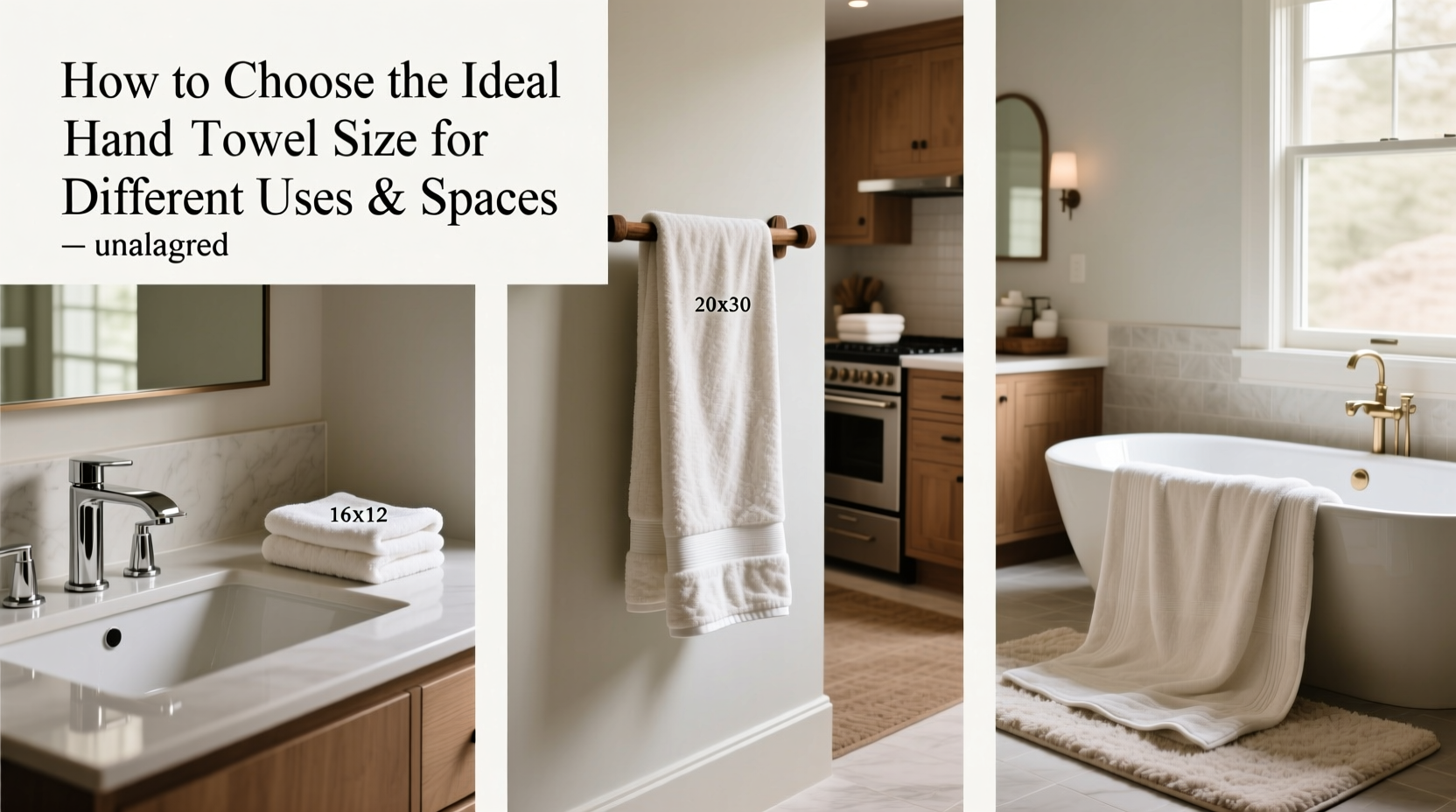
The most common hand towel measures 16 x 27 inches (40 x 70 cm), striking a balance between absorbency and compactness. However, this “standard” size may not suit every setting. Towels come in several defined categories, each designed with specific usage patterns in mind:
| Towel Type | Average Size (inches) | Best For |
|---|---|---|
| Fingertip Towel | 11 x 18 | Decorative use, guest baths, small sinks |
| Hand Towel | 16 x 27 | General bathroom use, family washrooms |
| Guest Towel | 12 x 18 | Single-use settings, powder rooms, hotels |
| Kitchen Hand Towel | 15 x 25 | Dish drying, food prep areas, utility tasks |
| Bar Towel | 12 x 12 or 16 x 16 | Commercial kitchens, bartending, quick wipe-downs |
While fingertip towels are elegant and space-saving, they lack the surface area needed for thorough drying. Conversely, oversized hand towels may feel luxurious but can become cumbersome if not stored properly. Matching the towel type to its intended role ensures optimal performance without clutter.
Choosing Based on Space Constraints
Not all bathrooms—or kitchens—are created equal. Square footage, fixture placement, and storage availability play a crucial role in determining what towel size works best.
In a tight half-bath or urban apartment restroom, large towels hanging from a cramped bar can obstruct movement or drag into the sink. Here, switching to fingertip or guest towels maintains functionality while preserving visual openness. Wall-mounted rings or under-sink baskets work well for storing folded sets out of sight yet within reach.
Larger master bathrooms with double vanities and open shelving can accommodate full-sized hand towels. Consider using two towels per sink—one for each user—to reduce cross-contamination and promote consistent replacement. Freestanding towel ladders or heated rails also support bulkier options without sacrificing accessibility.
“Towel size should never compromise usability. If reaching for it means bumping into the faucet, it’s too big.” — Dana Reyes, Interior Designer & Sustainable Living Consultant
Material and Absorbency: How Fabric Affects Size Needs
The fabric composition influences how much surface area you actually need. Highly absorbent materials like Turkish cotton or bamboo require less bulk to dry hands effectively. These fibers wick moisture quickly and maintain softness after repeated washing, allowing for slightly smaller dimensions without sacrificing performance.
In contrast, microfiber or linen blends may be thinner and faster-drying but offer lower initial absorbency. To compensate, manufacturers often increase the size to improve coverage and drying time. When choosing synthetic blends, opt for at least 16 x 25 inches to ensure adequate contact area.
Weave type matters too. Terry cloth provides excellent grip and water retention, making it ideal for high-moisture environments. Waffle weave towels, though lightweight and stylish, tend to stretch when wet and may need deeper hooks or loops to prevent slipping off holders.
Step-by-Step Guide: Selecting Your Ideal Towel Size
- Evaluate the sink setup: Measure clearance around the basin. If less than 10 inches on either side, avoid wide or long towels.
- Identify primary users: Kids? Guests? Athletes post-workout? Tailor size to their drying habits and hand size.
- Assess frequency of use: High-traffic areas benefit from larger, more durable towels changed daily.
- Choose fabric first: Prioritize absorbency and drying speed before finalizing dimensions.
- Test one sample: Buy a single towel in your preferred size and use it for a week. Adjust based on real-world feedback.
Special Use Cases and Custom Solutions
Different environments demand specialized approaches. What works in a home bathroom might fall short in a gym locker room or restaurant kitchen.
In commercial gyms, oversized hand towels (up to 20 x 30 inches) are common due to heavy sweat exposure. However, strict laundry protocols mean they’re replaced frequently. Many facilities now use color-coded towels to distinguish personal use from cleaning rags—a practice worth adopting in shared homes.
Kitchens present unique challenges. Cooking generates oil, flour, and raw food residue, so kitchen hand towels must cover more surface area during wiping tasks. A 15 x 25 inch cotton towel is ideal for gripping pots and drying dishes. Keep multiple towels on rotation: designate one for hands, another for spills, and a third for appliance handling.
For RVs or boat cabins, compact rolled towels made from ultra-absorbent nanofiber save space and dry quickly in humid conditions. These often measure 12 x 20 inches but perform like traditional 16-inch models thanks to advanced textiles.
Mini Case Study: The Overcrowded Powder Room
Sarah, a homeowner in Seattle, struggled with her narrow powder room. Every time someone used the sink, the hanging hand towel brushed the faucet, staying damp and developing mildew within days. She switched to folded fingertip towels displayed in a ceramic ring holder beside the sink. Not only did this eliminate contact with water sources, but guests found the setup more inviting. By rotating fresh towels twice weekly, she improved hygiene and reduced laundry load—all by downsizing appropriately.
Checklist: Choosing the Right Hand Towel Size
- ✅ Measure available space around the sink
- ✅ Determine primary users (children, elderly, guests)
- ✅ Decide between decorative vs. functional priority
- ✅ Select absorbent, quick-drying fabric
- ✅ Test towel length against typical arm reach
- ✅ Plan for easy access and frequent changes
- ✅ Match towel size to rack, hook, or holder dimensions
FAQ
Can I use bath towels instead of hand towels?
While possible, full-size bath towels (approx. 27 x 52 inches) are impractical at sinks—they take up too much space, often dip into dirty water, and increase lint buildup. Reserve them for post-shower use only.
How many hand towels should I have per bathroom?
Ideally, keep 2–3 hand towels per sink to allow for rotation. With regular use, towels should be changed every 1–2 days. Having extras ensures cleanliness and reduces laundry frequency.
Are bigger hand towels always better?
No. Oversized towels can be difficult to dry completely, leading to odor and bacterial growth. They may also overwhelm small spaces. Focus on quality material and proper fit rather than maximum size.
Final Thoughts and Action Steps
The ideal hand towel size isn’t one-size-fits-all—it’s a thoughtful combination of proportion, purpose, and practicality. Whether outfitting a minimalist condo or managing a busy household, taking the time to assess your specific needs leads to smarter purchases and better daily experiences.
Start by measuring your sink area, observing how people interact with the space, and testing a few options before committing to bulk buys. Pay attention to fabric weight, edge finishing, and care instructions—details that impact longevity as much as size does.




 浙公网安备
33010002000092号
浙公网安备
33010002000092号 浙B2-20120091-4
Comments
No comments yet. Why don't you start the discussion?