
Traveling puts your iPhone through unpredictable conditions—bumpy rides, sudden drops, exposure to dust, moisture, and constant handling. A standard case might not survive a weekend getaway, let alone an international trip. Choosing the right iPhone case for travel isn’t just about style; it’s about durability, functionality, and peace of mind. With so many options on the market, knowing what truly matters can save you from cracked screens, battery anxiety, or inconvenient bulk.
The ideal travel case balances protection, practicality, and portability. It should withstand rough handling while enhancing usability in real-world scenarios like airport security checks, hiking trails, or crowded city streets. Below, we break down the essential features, compare top options, and share tested strategies used by frequent travelers and tech experts alike.
Key Features to Look for in a Travel iPhone Case
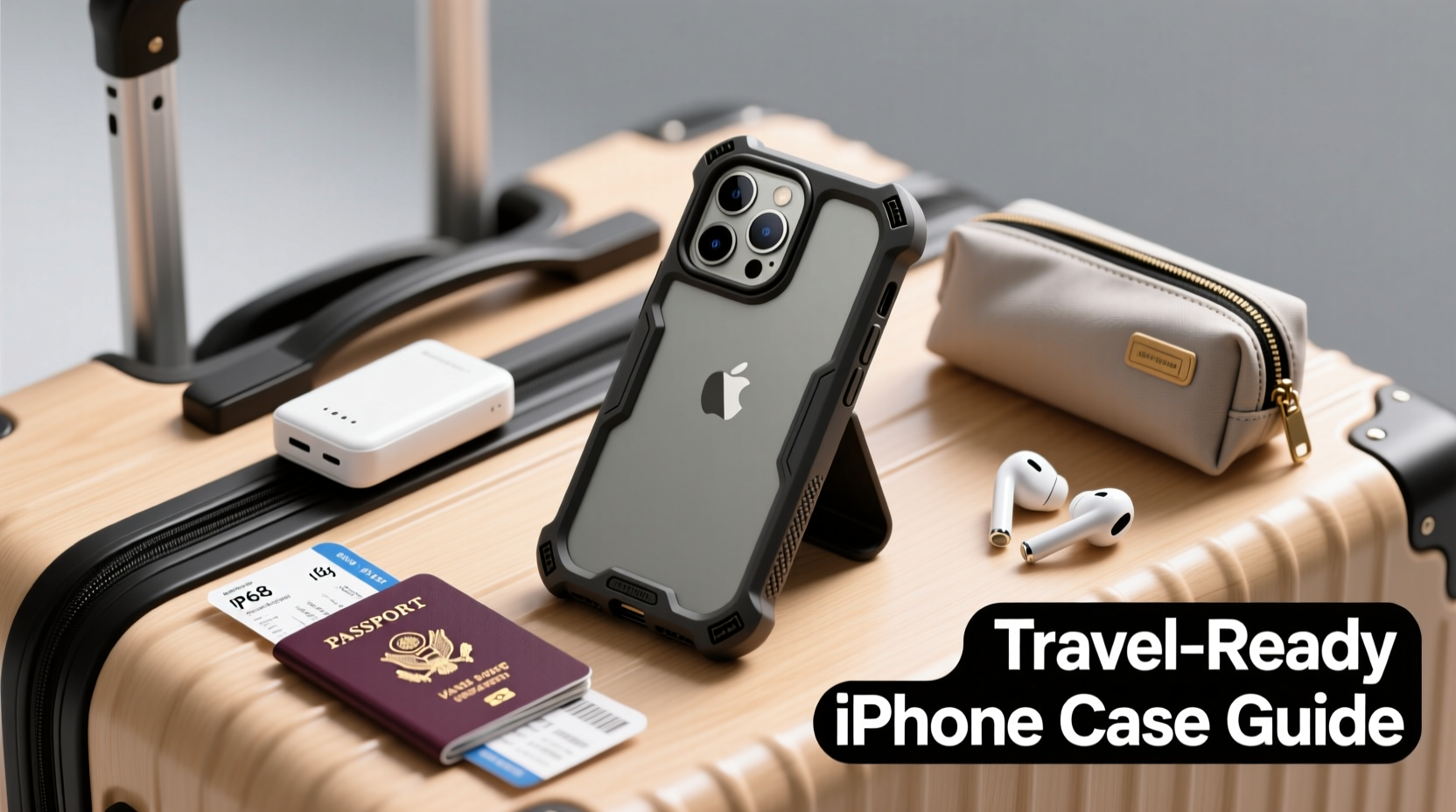
Not all cases are built equally. When selecting a case specifically for travel, prioritize these core attributes:
- Durability: Materials like polycarbonate, TPU (thermoplastic polyurethane), or reinforced silicone resist cracks and abrasions.
- Drop Protection: Look for MIL-STD-810G certification or similar standards indicating resistance to multiple drops from at least 6 feet.
- Water and Dust Resistance: While iPhones have some water resistance, a sealed case adds extra protection against rain, sand, or spills.
- Port Access: Ensure full access to ports, buttons, and speakers without removing the case—especially important when charging on the move.
- Wallet Integration: Some cases include card slots for ID, credit cards, or boarding passes, reducing the need for a separate wallet.
- Compatibility with Wireless Charging: Avoid cases that require removal before charging—convenience is key during travel.
Top iPhone Case Types Compared for Travel
Different case types suit different travel styles. Whether you're backpacking through Southeast Asia or flying business class across continents, your needs vary. Here's a breakdown of common case types and their travel suitability:
| Case Type | Pros | Cons | Best For |
|---|---|---|---|
| Bumper + Back Combo | Lightweight, shock-absorbing corners, slim profile | Limited back protection, no scratch guard | Urban travelers, carry-on only trips |
| Rugged/Dual-Layer | High drop protection, often waterproof, durable | Bulkier, harder to fit in tight pockets | Hikers, adventure travelers, families |
| Wallet Cases | Carry essentials without a bag, secure | Heavier, risk of losing phone and cards together | Minimalists, short city trips |
| Folio/Book-Style | Screen protection, stand function, RFID blocking available | Less convenient for quick access, can wear at hinge | Business travelers, long flights |
| Slim/Fashion Cases | Stylish, lightweight, easy to replace | Poor impact resistance, minimal defense | Casual weekend trips, low-risk environments |
Expert Tips for Maximizing Protection and Convenience
Even the best case won’t help if used incorrectly. These insider tips come from digital nomads, flight attendants, and mobile photographers who rely on their phones daily:
- Test the button responsiveness—some rugged cases make volume or power buttons too stiff. Press them repeatedly in-store or upon arrival to ensure smooth operation.
- Avoid glossy finishes—they attract fingerprints and scratches. Matte or textured surfaces hide wear better and offer improved grip.
- Use a screen protector in tandem—a case can’t prevent screen cracks from direct impact. Pair it with a tempered glass protector for complete coverage.
- Consider color wisely—dark colors hide dirt, but bright ones are easier to spot in a busy bag. Choose based on your habits.
- Check airline and security compatibility—some thick cases trigger additional screening. TSA agents may ask you to remove the phone, so avoid glued-in designs.
“Frequent flyers often overlook how much wear their devices endure—from being tossed in overhead bins to sitting on humid beach towels. A travel-ready case should be the first line of defense.” — Daniel Ruiz, Mobile Tech Consultant at NomadGear Labs
Real-World Scenario: Sarah’s Trek Through Patagonia
Sarah, a freelance photographer traveling solo through Chilean Patagonia, learned the hard way about inadequate phone protection. Her slim silicone case offered no defense when her phone slipped from her jacket pocket onto rocky terrain during a glacier hike. The screen shattered, and dust infiltrated the charging port, rendering the device unreliable for navigation.
For her next trip, she invested in a rugged, waterproof OtterBox Defender series case. It added slight bulk but survived sub-zero temperatures, river crossings, and repeated falls on gravel. The integrated screen cover protected against glare and scratches, and she could still use Touch ID with gloves on. More importantly, she regained confidence in using her phone as a GPS, camera, and communication tool—without fear of failure.
This experience underscores a critical point: the right case doesn’t just protect hardware—it enables freedom and reliability in remote environments.
Step-by-Step Guide: Choosing Your Ideal Travel Case
Follow this logical sequence to find the perfect match for your travel style:
- Assess your travel environment: Will you be near water? In dusty deserts? On rugged trails? Match case features to your destination.
- Determine your priority: Is maximum protection more important than slimness? Do you value carrying cards or prefer wireless charging?
- Set a budget: Quality rugged cases range from $35–$70. Avoid ultra-cheap options—they often lack structural integrity.
- Read verified traveler reviews: Focus on users who mention real-world durability, not just aesthetics.
- Test fit and function: Before finalizing, ensure the case doesn’t block ports, muffle sound, or interfere with Face ID.
- Purchase from reputable sellers: Buy directly from Apple, manufacturer sites, or authorized retailers to avoid counterfeits.
Travel iPhone Case Checklist
Before buying, run through this concise checklist to ensure you’re making a smart choice:
- ✅ Meets military-grade drop protection (MIL-STD-810G or equivalent)
- ✅ Compatible with wireless charging and MagSafe (if applicable)
- ✅ Has raised edges to protect screen and camera lens
- ✅ Includes port covers or dust plugs (especially for rugged use)
- ✅ Offers secure grip (textured sides or non-slip material)
- ✅ Lightweight enough for daily carry without discomfort
- ✅ Available in a color or finish that suits your lifestyle
Frequently Asked Questions
Can I bring my iPhone through airport security with a case on?
Yes, most modern airports allow phones to pass through scanners with cases on. However, if the case is unusually thick or metallic, TSA may request removal. Rugged cases with metal plates or heavy shielding are more likely to trigger secondary inspection.
Are waterproof cases worth it for travel?
If you plan activities involving water—beach days, kayaking, monsoon regions—a waterproof case is highly recommended. Even splash-resistant models add peace of mind. Just ensure it doesn’t degrade audio quality or touch sensitivity.
How often should I replace my iPhone case?
Inspect your case every 6 months for signs of wear: cracks, loose corners, fading shock absorption. Replace immediately if structural integrity is compromised. Frequent travelers may need to replace cases annually due to constant stress.
Final Thoughts: Protect Your Digital Lifeline
Your iPhone is more than a communication tool—it’s your map, camera, wallet, and emergency contact rolled into one. On the road, its reliability is non-negotiable. Investing in the right travel case isn’t an accessory decision; it’s a strategic move to safeguard your connection to the world.
Don’t wait until after a drop or spill to realize what you’ve lost. Take a few minutes today to evaluate your current case against the criteria above. Whether you're crossing continents or commuting through cities, the right protection empowers you to travel lighter, smarter, and with greater confidence.




 浙公网安备
33010002000092号
浙公网安备
33010002000092号 浙B2-20120091-4
Comments
No comments yet. Why don't you start the discussion?