
A well-chosen tote bag can transform your daily routine. Whether you're commuting to work, running errands, or heading to a weekend market, the right tote combines form and function seamlessly. But with so many options—canvas, leather, nylon, structured, slouchy—it's easy to end up with a bag that looks great but fails under real-world demands. The ideal everyday tote should carry your essentials comfortably, withstand daily wear, and reflect your personal style without sacrificing practicality.
Selecting the perfect tote isn’t just about aesthetics. It’s about understanding your lifestyle, assessing material durability, evaluating structural design, and making informed choices that support both comfort and longevity. This guide breaks down the key considerations to help you find a tote that works as hard as you do—without compromising on elegance.
Assess Your Daily Needs First
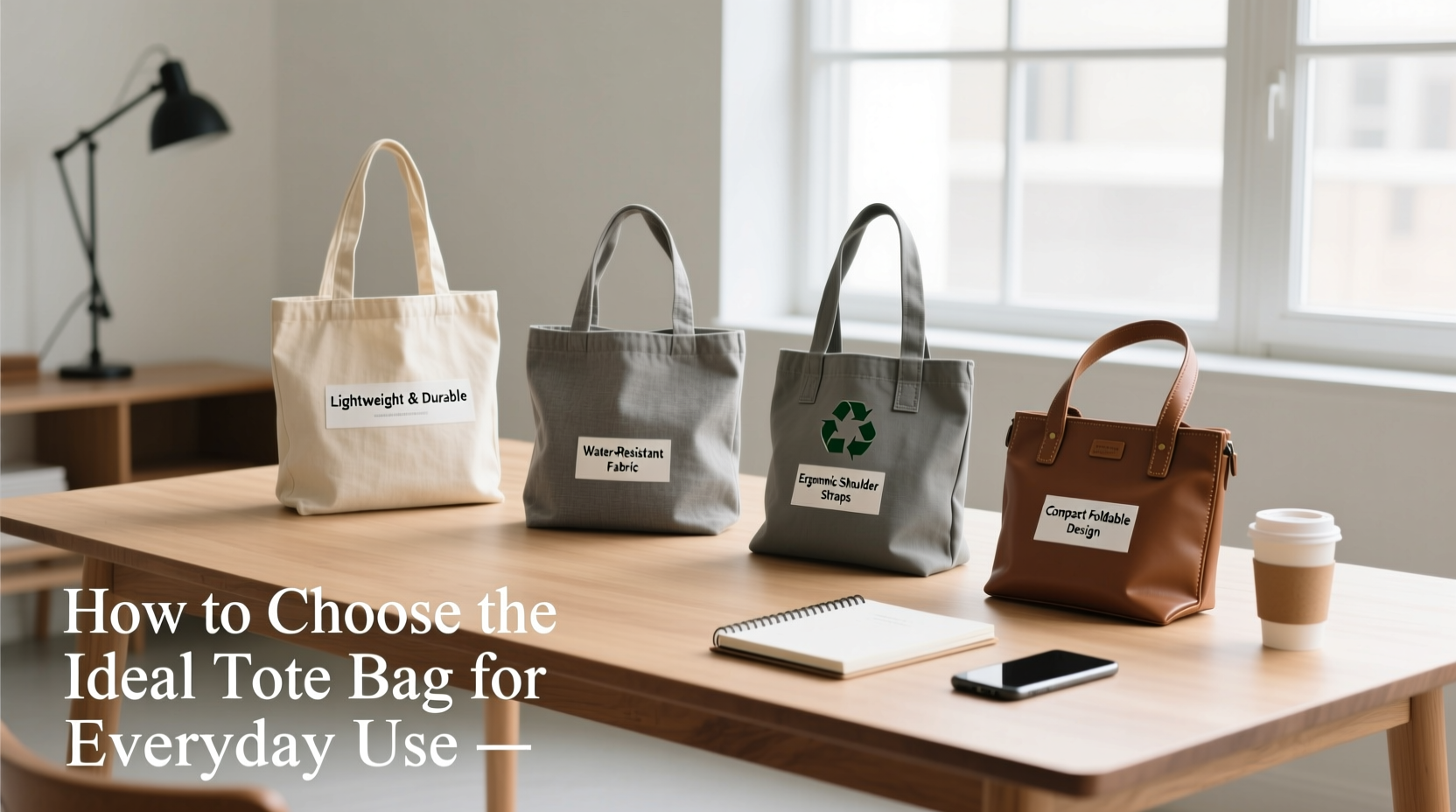
Before considering color or brand, ask yourself: What will this bag actually carry? A teacher hauling textbooks and lunchboxes has different requirements than a freelancer carrying a laptop and notebook to a café. Mapping out your typical load helps narrow down size, compartmentalization, and strength needs.
Start by listing what you carry daily:
- Laptop or tablet (and its size)
- Water bottle
- Wallet, keys, phone
- Notebooks, pens, or documents
- Snacks, umbrella, or gym clothes
If your essentials exceed 10 pounds regularly, prioritize reinforced stitching, padded handles, and structured bottoms. Lightweight canvas might not hold up over time, while water-resistant nylon or full-grain leather could be more suitable.
Material Matters: Durability vs. Aesthetic Appeal
The fabric or material of your tote determines not only its look but also its lifespan and maintenance needs. Each option comes with trade-offs in weight, weather resistance, and ease of cleaning.
| Material | Pros | Cons | Best For |
|---|---|---|---|
| Cotton Canvas | Affordable, breathable, eco-friendly options available | Stains easily, less water-resistant | Casual use, markets, short commutes |
| Leather (Full-Grain) | Durable, ages beautifully, professional appearance | Expensive, requires conditioning, heavier | Work, travel, long-term investment |
| Nylon/Polyester | Lightweight, water-resistant, easy to wipe clean | Less breathable, can look synthetic | Rainy climates, outdoor activities |
| Suede/Nubuck | Soft texture, stylish finish | High maintenance, stains easily | Fashion-focused, dry environments |
| Eco-Friendly Recycled Fabrics | Sustainable, often water-resistant, modern appeal | Varies by brand; durability can be inconsistent | Eco-conscious users, urban professionals |
For everyday use, durability should outweigh fleeting trends. A high-quality canvas or waxed cotton blend offers a balanced middle ground—lightweight yet sturdy, washable, and increasingly sustainable.
“Most people underestimate how much stress a tote undergoes daily. The material must resist abrasion from straps rubbing against surfaces, moisture from spills, and UV exposure.” — Lena Torres, Product Designer at Urban Carry Co.
Design Features That Enhance Functionality
Even the most beautiful tote can fail if it lacks smart design elements. Look beyond the silhouette and examine details that impact usability.
Handle Length and Comfort
Handles determine how you carry the bag. Short top handles are elegant but impractical for heavy loads. Shoulder-length straps (10–12 inches drop) allow hands-free carrying. Consider dual options: short handles for brief lifts and a detachable crossbody strap for longer walks.
Interior Organization
Unstructured totes may look chic, but they turn into black holes for small items. Pockets—zippered for security, slip for quick access—keep essentials visible and organized. At minimum, include a dedicated phone slot and a zip pocket for valuables.
Base Structure and Shape Retention
A flat, reinforced bottom prevents sagging and makes it easier to set the bag down without spilling contents. Structured totes maintain shape when empty; slouchy styles offer flexibility but may collapse under uneven weight.
Closure Mechanisms
Open-top totes are convenient but expose contents. Magnetic snaps, drawstrings, or zipper closures add security, especially in crowded spaces. Choose based on how much you value accessibility versus protection.
Step-by-Step Guide to Choosing Your Ideal Tote
- Inventory your daily carry items – List everything you need to transport regularly.
- Determine your primary environment – Will you be walking in rain, riding transit, or sitting in an office?
- Select a material – Match durability to your lifestyle (e.g., nylon for wet climates, leather for professional settings).
- Choose size and structure – Ensure the tote stands upright when full and fits under desks or airplane seats if needed.
- Test ergonomics – Check handle comfort, weight distribution, and ease of access.
- Evaluate aesthetic compatibility – Pick a neutral shade (navy, taupe, black) for versatility, or a statement print if rotating bags frequently.
- Verify care requirements – Can you spot-clean it? Does leather need monthly conditioning? Choose low-maintenance options if upkeep isn’t your priority.
Real-World Example: Sarah’s Commuter Tote Upgrade
Sarah, a graphic designer in Portland, used a sleek vegan leather tote for her daily commute. It looked polished but began cracking at the seams after six months of carrying her 15-inch laptop, sketchbook, and reusable coffee cup. After her third bag failed similarly, she reassessed.
This time, she prioritized function: she chose a waxed canvas tote with a padded laptop sleeve, external water bottle pocket, and adjustable shoulder strap. Though less glossy, it survived two years of drizzle, subway crowds, and bike rides. “I stopped worrying about scuffs,” she said. “It just works.”
Her experience underscores a common truth: beauty fades, but reliability earns loyalty.
Checklist: Is This Tote Right for You?
Before purchasing, run through this checklist:
- ✅ Holds all essential items without bulging
- ✅ Features secure pockets for phone, wallet, keys
- ✅ Made from durable, appropriate material for your climate
- ✅ Handles are long enough for shoulder carry and strong enough for daily use
- ✅ Has a stable base or structured lining
- ✅ Includes closure (zipper, snap, or drawstring) if needed for security
- ✅ Matches at least three outfits in your regular rotation
- ✅ Easy to clean or maintain with minimal effort
Frequently Asked Questions
Can I use a tote bag for work every day?
Yes, provided it meets professional standards in appearance and functionality. Opt for structured designs in leather or textured synthetics, with interior organization and a laptop compartment. Neutral colors like charcoal, brown, or deep green project polish and pair well with business attire.
How do I clean a canvas tote?
Most canvas totes can be spot-cleaned with mild soap and a damp cloth. For machine-washable models, remove any inserts, turn inside out, and use cold water on a gentle cycle. Air dry completely before reuse to prevent mildew.
Are expensive tote bags worth it?
Not always—but investment pieces pay off when built with premium materials and craftsmanship. A $200 full-grain leather tote can last a decade with care, while a $40 alternative may degrade in a year. Calculate cost per use: if you use it 5 days a week, even a high-priced bag becomes economical over time.
Final Thoughts: Balance Style with Substance
The ideal tote bag doesn’t shout for attention—it simply performs. It carries your life’s essentials without complaint, adapts to changing conditions, and ages with character. When choosing yours, let practicality lead and style follow. Prioritize materials that endure, designs that organize, and proportions that fit your body and routine.
A great tote becomes an extension of your daily rhythm. It’s not just an accessory; it’s a tool. And like any good tool, its value lies not in how it looks on a shelf, but in how well it serves you every single day.




 浙公网安备
33010002000092号
浙公网安备
33010002000092号 浙B2-20120091-4
Comments
No comments yet. Why don't you start the discussion?