
Selecting the right under arm bag isn’t just about following trends—it’s about finding a balance between form and function. These compact, shoulder-carrying accessories have surged in popularity for their sleek silhouette and effortless elegance. Yet, many buyers overlook one crucial factor: size. A bag that’s too large can feel cumbersome; one that’s too small defeats its purpose. The ideal under arm bag should sit snugly against your side, complement your frame, and carry your essentials without strain. This guide breaks down how to select the perfect size based on body proportions, lifestyle needs, and fashion sensibility.
Understand the Anatomy of an Under Arm Bag
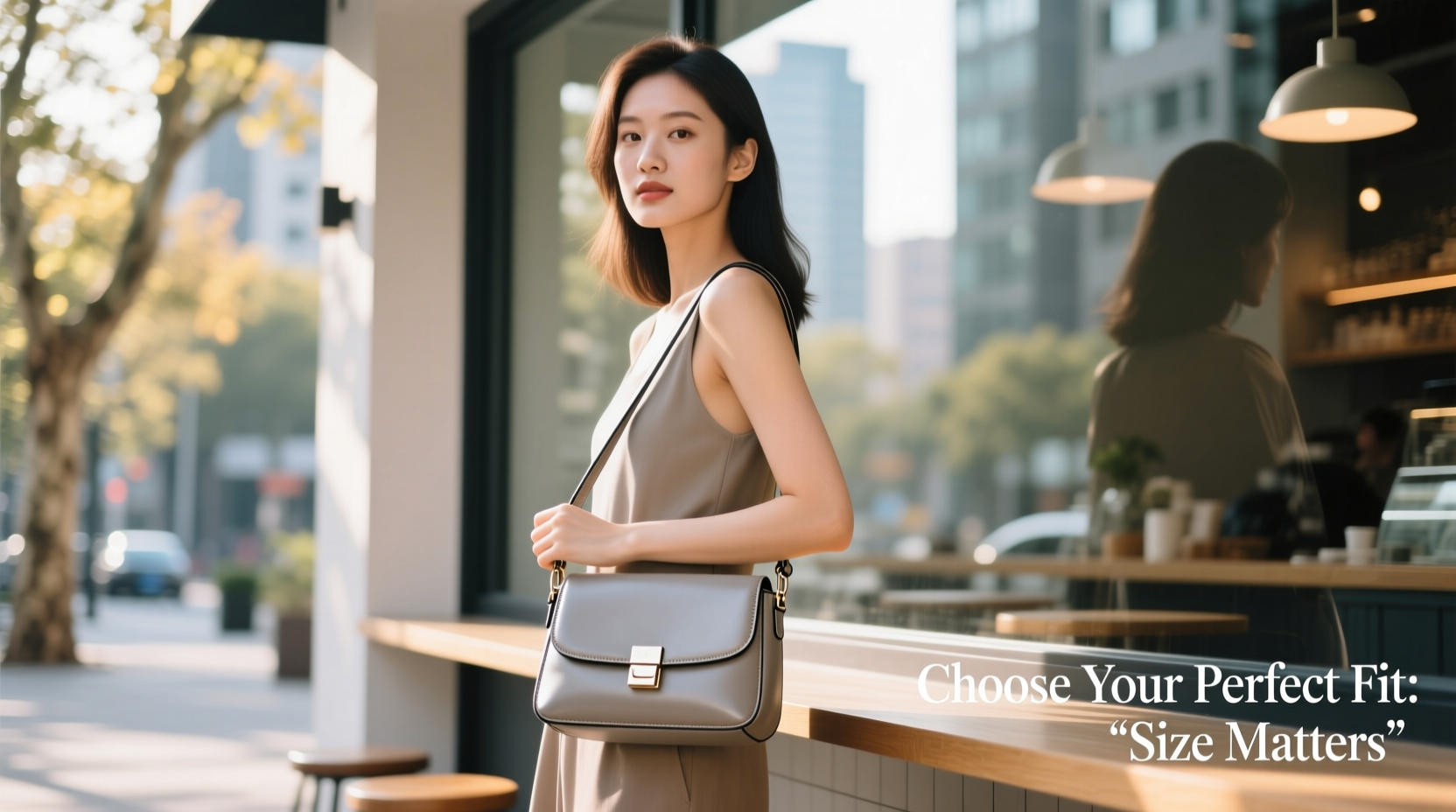
An under arm bag—also known as an underarm clutch or armpit bag—is designed to be tucked under the arm, resting along the ribcage. Unlike crossbody or tote bags, it relies on close contact with the body for security and style. Its defining features include a short strap (or no strap), a slim profile, and structured or semi-structured construction. Because of its positioning, size directly impacts both comfort and aesthetics.
The typical dimensions of under arm bags range from 6 to 10 inches in height and 4 to 7 inches in width. Depth is usually minimal—between 1.5 and 3 inches—to maintain a streamlined look. However, these numbers mean little without context. What works for a 5'2\" individual may overwhelm someone taller, and vice versa. The key is proportionality.
Match Bag Size to Your Body Proportions
Your height, torso length, and shoulder width play a significant role in determining the ideal bag size. A well-fitted under arm bag should extend no more than two-thirds of the way from your shoulder to your elbow when held naturally at your side.
Consider this breakdown by height:
| Height Range | Recommended Bag Height | Visual Fit Guide |
|---|---|---|
| Under 5'3\" | 6–7 inches | Bags should not exceed mid-bicep level |
| 5'4\" – 5'7\" | 7–8 inches | Ideal fit reaches just below the bicep |
| 5'8\" and above | 8–10 inches | Can carry slightly taller silhouettes without imbalance |
Proportion matters beyond height. Petite frames benefit from smaller, more delicate designs, while broader shoulders can carry larger volumes without appearing oversized. Always test the bag in person if possible—hold it under your arm and step back to assess symmetry.
“Size misalignment is the most common styling mistake with under arm bags. A bag that dwarfs the wearer disrupts visual harmony.” — Lena Moreau, Fashion Stylist & Consultant
Assess Your Daily Carry Needs
Style means nothing if the bag doesn’t serve your routine. Before settling on a size, audit what you carry daily. Most under arm bags are minimalist by design, so prioritization is essential.
Essential items typically include:
- Smartphone (standard or large model)
- Wallet or cardholder
- Lip balm or lipstick
- Keys
- Hand sanitizer (travel-sized)
- Face mask or tissues (small pack)
If you frequently carry additional items—like sunglasses, a notebook, or a power bank—an ultra-compact 6-inch bag may fall short. In such cases, opt for a slightly deeper model (up to 3 inches) or consider dual functionality: pair a sleek under arm bag with a foldable tote inside for emergencies.
Step-by-Step: Choosing Based on Use Case
- Evaluate your non-negotiables: List the items you must carry every day.
- Measure your essentials: Stack them and note the total height and width.
- Add buffer space: Allow 0.5–1 inch extra in each dimension for easy access.
- Test capacity: Place items in sample bags during shopping to check fit.
- Check accessibility: Ensure you can retrieve your phone or wallet without unclipping or tilting the bag excessively.
Material and Structure Impact Perceived Size
A bag’s material affects how bulky or slim it appears. Soft leather or nylon molds to contents, creating a neater profile, while rigid acrylic or molded plastic retains shape regardless of load. A structured bag may look larger than its measurements suggest due to volume retention.
Thicker materials add visual weight. For example, a vegan leather bag with internal padding may appear 20% bulkier than a thin silk version of the same dimensions. Consider this when comparing sizes across brands.
Also, closures matter. Magnetic snaps or zippers keep contents secure and reduce puffiness. Open-top designs may gape when full, making the bag seem less refined and harder to carry securely under the arm.
Real-World Example: Maria’s Commute Upgrade
Maria, a 5'1\" graphic designer in Chicago, loved the under arm bag trend but struggled with discomfort. Her initial pick—a popular 9-inch model—hung awkwardly below her elbow and slipped when she walked quickly. After switching to a 6.5-inch buttery leather clutch with a slight curve to match her ribcage, she noticed immediate improvement. Not only did it stay securely in place, but her outfit proportions felt more balanced. She now carries her phone, a mini wallet, and lip gloss with ease, proving that proper sizing enhances both comfort and confidence.
Do’s and Don’ts of Under Arm Bag Sizing
| Do’s | Don’ts |
|---|---|
| Choose a bag that rests between armpit and elbow | Don’t pick a bag wider than your torso at rest |
| Opt for curved or contoured backs for better fit | Don’t overload—stick to 4–5 essentials max |
| Test with your most-used coat or jacket | Don’t ignore strap comfort—even short straps can dig |
| Consider expandable gussets for flexibility | Don’t prioritize trend over personal proportion |
Frequently Asked Questions
Can tall women wear small under arm bags?
Yes, but proportion is key. A petite bag can work as a statement piece or evening accessory, especially if paired with minimal clothing. However, for daily use, taller individuals often benefit from slightly larger sizes (8+ inches) to maintain visual balance.
Is there a standard “one-size-fits-most” under arm bag?
Not truly. While some brands market 7.5 x 5-inch bags as universal, fit varies widely by build. The closest to a versatile size is 7–8 inches in height with moderate depth (2–2.5 inches), suitable for average builds and basic carry needs.
How tight should an under arm bag feel?
It should stay in place with light arm pressure but allow you to lift your arm comfortably. You should not need to clamp it shut aggressively. If it slips constantly, it’s either too large, too smooth, or lacks ergonomic shaping.
Final Checklist Before Buying
- ✅ Measured my height and torso proportion
- ✅ Listed daily carry items
- ✅ Tested bag in person (or checked detailed dimensions online)
- ✅ Held bag under arm to assess balance and comfort
- ✅ Checked material thickness and interior layout
- ✅ Confirmed closure type and ease of access
- ✅ Reviewed return policy in case sizing isn’t right
Conclusion: Style That Fits, Literally
The ideal under arm bag blends seamlessly into your lifestyle—light enough to forget you’re carrying it, yet substantial enough to hold what you need. Comfort and style aren’t opposing forces; they converge when size aligns with your body and routine. Whether you're navigating city streets or attending a weekend brunch, the right bag enhances your presence without weighing you down. Take the time to measure, test, and reflect on your needs. The perfect under arm bag isn’t just a trend—it’s a tailored extension of your everyday self.




 浙公网安备
33010002000092号
浙公网安备
33010002000092号 浙B2-20120091-4
Comments
No comments yet. Why don't you start the discussion?