
As summer temperatures rise, so does the intensity of ultraviolet (UV) radiation. While sunscreen is essential, it's not always enough. A high-quality UV umbrella can block up to 99% of harmful rays, offering a portable shield against sun damage, heat stress, and long-term skin risks like premature aging and skin cancer. Yet, not all umbrellas are created equal. Choosing the right one requires understanding fabric technology, structural design, and practical usability. This guide delivers expert-backed insights to help you select a UV umbrella that provides real protection without compromising convenience.
Understand the Science Behind UV Protection in Umbrellas
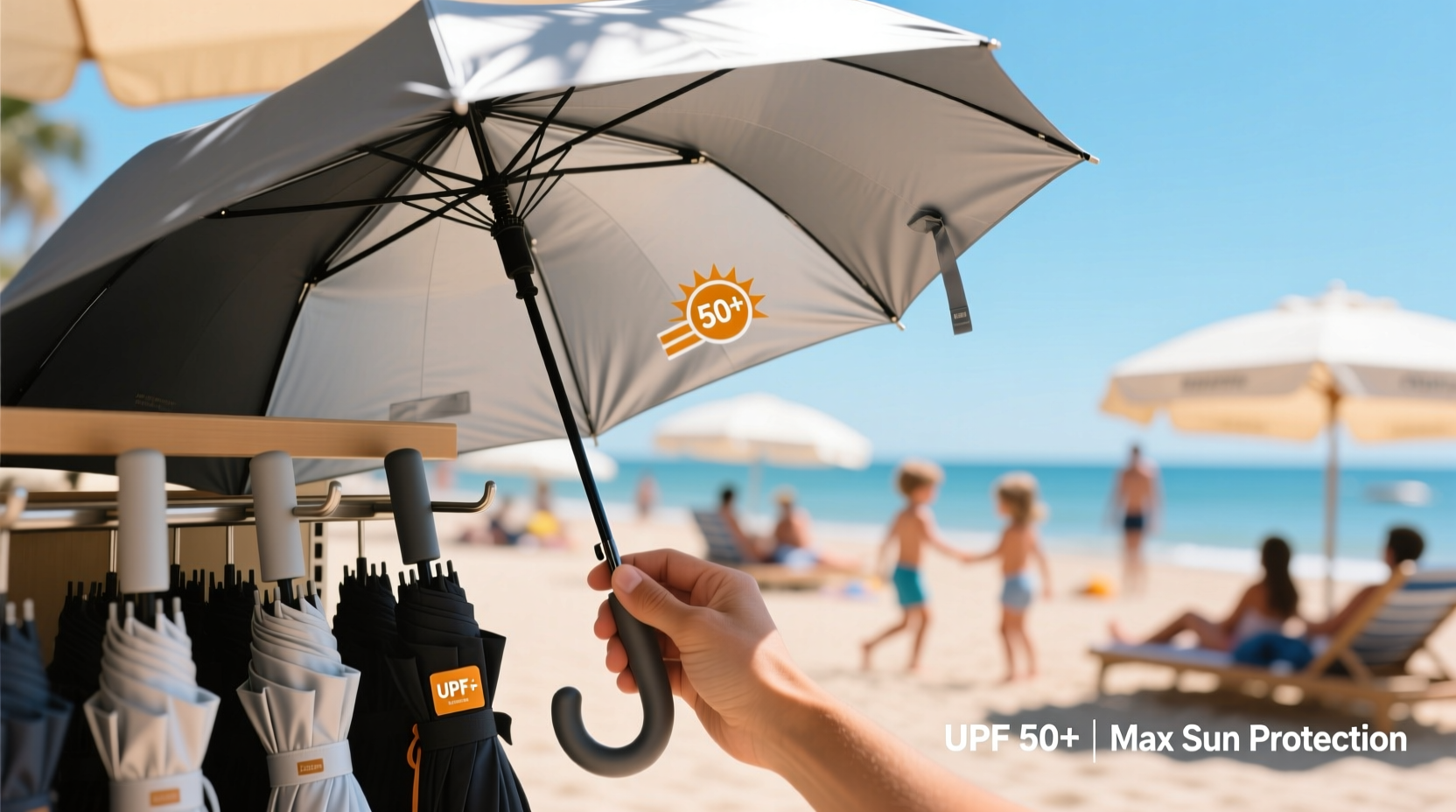
Unlike regular rain umbrellas, UV-blocking umbrellas are engineered with specialized fabrics designed to reflect or absorb UVA and UVB rays. The key metric to evaluate effectiveness is the Ultraviolet Protection Factor (UPF), which measures how much UV radiation penetrates the fabric. A UPF 50+ rating means that less than 2% of UV rays pass through—blocking over 98%. This is significantly better than most cotton or polyester fabrics used in standard umbrellas, which may only offer UPF 5–15.
The fabric’s weave density, coating, and color also influence performance. Tightly woven, dark-colored canopies (especially black or navy) tend to absorb more UV light than lighter shades. Some models include a silver or reflective inner coating to deflect solar radiation away from the user—a feature particularly useful in hot climates where heat buildup under the canopy can be uncomfortable.
“UPF-rated umbrellas are a critical part of sun-safe behavior, especially during peak UV hours between 10 a.m. and 4 p.m.” — Dr. Lena Reyes, Dermatologist & Skin Cancer Prevention Advocate
Key Features to Look for in a UV Umbrella
Selecting an effective UV umbrella isn’t just about appearance—it’s about engineering and material integrity. Here are the most important features to consider:
- UPF Rating: Always look for a minimum UPF 40, but aim for UPF 50+ for optimal protection.
- Fabric Type: Polyester with a UV-blocking coating or embedded UV inhibitors performs best. Avoid thin or loosely woven materials.
- Canopy Size: A diameter of at least 40 inches ensures coverage for your head, shoulders, and upper body. Larger domes (45–60 inches) are ideal for families or strollers.
- Double-Layer Design: These reduce heat retention by creating an air gap between layers, improving ventilation and comfort.
- Vented Canopy: Vents at the top allow hot air to escape, preventing the umbrella from acting like a greenhouse.
- Handle & Shaft Material: Lightweight aluminum or fiberglass shafts make the umbrella easier to carry. Ergonomic handles improve grip and reduce wrist strain.
Comparison: Standard vs. UV-Protective Umbrellas
| Feature | Standard Rain Umbrella | UV-Protective Umbrella |
|---|---|---|
| UPF Rating | 5–15 (minimal protection) | 40–50+ (excellent protection) |
| Fabric Density | Loose weave, often water-resistant only | Tight weave with UV-blocking coating |
| Heat Reflection | None; can trap heat | Often includes reflective underside |
| Weight | Heavier due to thick nylon | Lightweight composites common |
| Lifespan Under Sun Exposure | Fades quickly; degrades in UV | UV-stabilized materials resist degradation |
Step-by-Step Guide to Choosing Your Ideal UV Umbrella
- Determine Your Primary Use: Will you use it for walking, beach outings, pushing a stroller, or outdoor events? This affects size and portability needs.
- Check for Certified UPF Label: Look for independent testing certifications such as ARPANSA (Australia), OEKO-TEX, or ISO standards.
- Evaluate Portability: Compact, folding models (24–30 inches when closed) fit easily in bags. Consider weight—ideally under 1.5 lbs.
- Assess Ventilation: Choose a vented canopy to avoid overheating and wind inversion.
- Test Open/Close Mechanism: Auto-open and close buttons add convenience, especially when hands are full.
- Review Durability: Reinforced ribs and a sturdy shaft prevent breakage in breezy conditions.
- Consider Style and Visibility: Bright colors or reflective trims increase visibility in crowded areas and boost mood.
Real-World Example: Commuter Protection in Phoenix
Sophia, a paralegal in Phoenix, Arizona, walks 15 minutes to work each morning during peak sun hours. After developing sunspots on her face despite daily sunscreen use, she invested in a UPF 50+ umbrella with a vented, double-layer black canopy and a curved ergonomic handle. Within two months, she noticed less facial heat exposure and no further discoloration. Her dermatologist confirmed improved skin stability during check-ups. “It’s like carrying shade with me,” she says. “I don’t feel guilty stepping outside anymore.”
Common Mistakes to Avoid When Buying a UV Umbrella
- Assuming all black umbrellas are UV-protective: Color helps, but without a certified UPF rating, protection is unreliable.
- Prioritizing fashion over function: Lace-trimmed or translucent parasols may look elegant but offer little defense.
- Ignoring wind resistance: Lightweight doesn’t mean flimsy. Look for flexible fiberglass ribs that bend instead of breaking.
- Storing improperly: Leaving the umbrella wet or compressed for long periods degrades fabric and coating.
- Using it inconsistently: Occasional use reduces cumulative benefits. Make it part of your daily routine.
FAQ: Common Questions About UV Umbrellas
Do UV umbrellas really make a difference compared to regular ones?
Yes. Studies show that a UPF 50+ umbrella blocks over 98% of UV radiation, while a typical cotton umbrella may block only 50–70%. The difference is significant in prolonged sun exposure scenarios.
Can I use a UV umbrella in the rain?
Most UV umbrellas are water-resistant and suitable for light rain. However, frequent soaking without proper drying can degrade the UV coating over time. For dual-purpose use, choose models labeled “water-repellent” with sealed seams.
How long does a UV umbrella last?
With proper care—avoiding prolonged moisture, storing dry, and minimizing direct sun when not in use—a quality UV umbrella lasts 2–3 years. Performance declines gradually after heavy use, so replace it if the fabric appears faded or thin.
Final Checklist Before You Buy
- ✅ Certified UPF 40 or higher (preferably 50+)
- Verified by a recognized lab or standard.
- ✅ Canopy diameter of at least 40 inches
- Ensures full shoulder and head coverage.
- ✅ Vented or double-layer canopy
- Improves airflow and reduces heat buildup.
- ✅ Lightweight frame (under 1.5 lbs)
- Makes carrying comfortable for extended periods.
- ✅ Auto-open mechanism and wrist strap
- Adds convenience and security.
- ✅ Durable construction (fiberglass ribs, reinforced tips)
- Withstands wind and daily wear.
Conclusion: Make Sun Safety Portable and Practical
A well-chosen UV umbrella is more than an accessory—it’s a proactive health tool. With rising global UV indexes and increasing awareness of photoaging, integrating physical sun barriers into daily life is smarter than ever. By focusing on verified UPF ratings, intelligent design, and consistent use, you can enjoy the outdoors with confidence. Don’t wait for a sunburn to take protection seriously. Invest in a high-performance UV umbrella today and step into summer with real peace of mind.




 浙公网安备
33010002000092号
浙公网安备
33010002000092号 浙B2-20120091-4
Comments
No comments yet. Why don't you start the discussion?