
Dizziness after vaping is a surprisingly common experience reported by both new and experienced users. While it may seem like a minor inconvenience at first, persistent or severe dizziness can signal underlying physiological reactions or even point to more serious health concerns. Vaping involves inhaling aerosolized substances—primarily nicotine, flavorings, and carrier liquids—and the body’s response to these components varies significantly from person to person. Understanding why dizziness occurs, what factors contribute to it, and when it's time to consult a healthcare provider can help users make safer, more informed decisions.
Nicotine Overload: A Primary Culprit
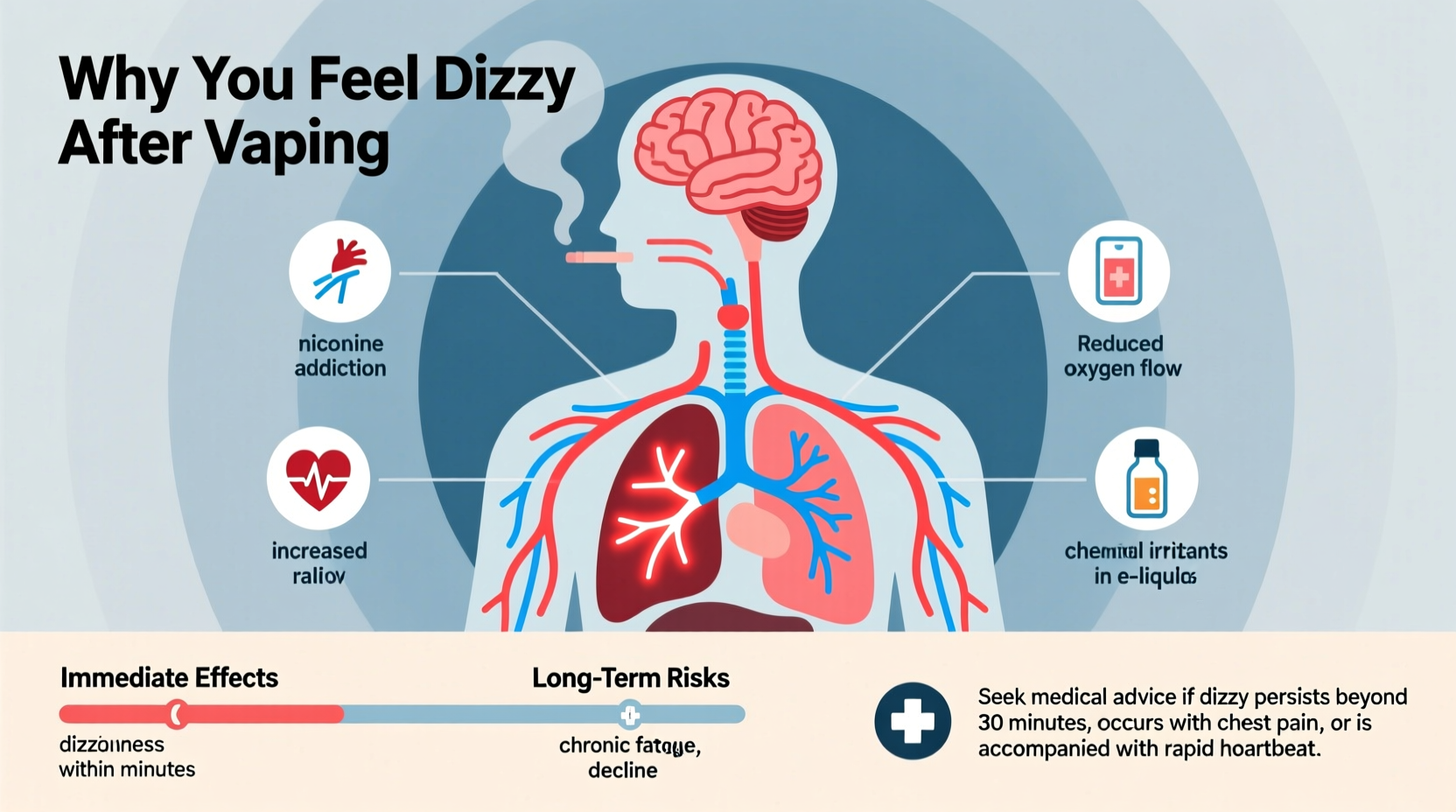
One of the most frequent reasons for dizziness after vaping is excessive nicotine intake. Many e-liquids contain varying concentrations of nicotine, often measured in milligrams per milliliter (mg/mL). New vapers, or those switching from low-nicotine products to high-strength ones, may unknowingly consume far more nicotine than their body can handle.
Nicotine acts as a stimulant that affects the central nervous system. In moderate doses, it can increase alertness and focus. However, in higher amounts, it can overstimulate the nervous system, leading to symptoms such as:
- Lightheadedness or dizziness
- Nausea
- Rapid heartbeat
- Sweating
- Headaches
- Tremors
This reaction, sometimes referred to as \"nic sickness,\" typically resolves within 30 minutes to an hour once nicotine levels begin to drop. However, repeated episodes may indicate that the user needs to reassess their nicotine strength or frequency of use.
Dehydration and Its Role in Dizziness
Vaping can contribute to dehydration, which in turn may lead to dizziness. The primary ingredients in most e-liquids—propylene glycol (PG) and vegetable glycerin (VG)—are hygroscopic, meaning they attract and absorb water from their surroundings. When inhaled, these compounds can draw moisture from the mouth, throat, and even the bloodstream, potentially reducing overall hydration levels.
Dehydration affects blood volume and circulation. With less fluid in the bloodstream, blood pressure can drop temporarily, especially when standing up quickly—a condition known as orthostatic hypotension. This sudden drop in blood pressure reduces oxygen flow to the brain, causing lightheadedness or dizziness.
Signs that dehydration might be contributing to your symptoms include:
- Dry mouth or throat
- Dark-colored urine
- Fatigue
- Infrequent urination
“Chronic dehydration from frequent vaping can impair cognitive function and physical performance. Staying hydrated isn’t just about comfort—it’s essential for maintaining normal neurological and cardiovascular function.” — Dr. Lena Patel, Internal Medicine Specialist
Device Type and Inhalation Technique
The type of vaping device and how it’s used can significantly influence how much nicotine and vapor are delivered to the lungs. Advanced devices, such as sub-ohm tanks and mods, produce larger clouds and deliver nicotine more efficiently than simpler pod systems. Users who transition to high-powered devices without adjusting their puffing habits may inadvertently overdose on nicotine.
Additionally, deep or rapid inhalation—especially when combined with holding the vapor in the lungs for extended periods—can intensify the effects of nicotine and reduce oxygen intake momentarily. This practice, sometimes called “lung hits,” can cause a brief oxygen imbalance, triggering dizziness or breathlessness.
Another factor is chain vaping—taking repeated puffs in quick succession without allowing time between hits for the body to process nicotine. This behavior prevents the brain from registering satiety, increasing the risk of overconsumption.
| Device Type | Nicotine Delivery Speed | Risk of Dizziness |
|---|---|---|
| Cig-a-likes | Slow | Low |
| Pod Systems (e.g., JUUL) | Moderate to Fast | Moderate |
| Sub-Ohm Tanks / Mods | Very Fast | High (if misused) |
Underlying Health Conditions That May Be Exacerbated
While many cases of post-vaping dizziness are benign and resolve quickly, some individuals may have pre-existing conditions that make them more susceptible. These include:
- Anxiety disorders: Nicotine can increase heart rate and jitteriness, mimicking or worsening anxiety symptoms, including dizziness.
- Low blood pressure: Individuals with naturally low BP may experience amplified drops after vaping due to vasodilation or dehydration.
- Inner ear issues: Conditions like vertigo or Meniere’s disease affect balance; any stimulant, including nicotine, may trigger or worsen episodes.
- Cardiovascular problems: Heart rhythm irregularities or poor circulation can be aggravated by nicotine’s stimulatory effects.
In rare cases, dizziness could be a sign of a more serious reaction, such as a transient ischemic attack (TIA) or arrhythmia, particularly in older adults or those with a history of heart disease. Although direct causation between vaping and stroke remains under study, nicotine-induced spikes in blood pressure and heart rate are recognized risk factors.
Mini Case Study: Sarah’s Experience with Post-Vaping Dizziness
Sarah, a 28-year-old office worker, started vaping six months ago as a way to quit smoking. She chose a popular pod system with 5% nicotine salt e-liquid, believing it was safe because it was marketed as “designed for smokers.” Within weeks, she began experiencing dizziness after her morning vape session. At first, she dismissed it as stress, but the episodes became more frequent—sometimes accompanied by nausea and palpitations.
After consulting her doctor, Sarah learned that 5% nicotine (equivalent to 50 mg/mL) is extremely high for someone not previously consuming multiple cigarettes daily. Her body wasn’t accustomed to such rapid nicotine absorption. By switching to a 3% strength and spacing out her puffs, her symptoms resolved within days. Her case highlights how marketing terms like “smooth” or “easy to use” can mask potent nicotine delivery.
When to Seek Medical Advice
Most instances of dizziness after vaping are temporary and manageable through behavioral changes. However, certain red flags should prompt immediate medical evaluation:
- Dizziness that lasts longer than a few hours
- Fainting or near-fainting episodes
- Chest pain or irregular heartbeat
- Slurred speech, vision changes, or weakness on one side of the body
- Severe headache following vaping
- Repeated nausea or vomiting
If dizziness occurs alongside any of these symptoms, it could indicate a cardiovascular event, neurological issue, or severe nicotine toxicity. Emergency care should not be delayed.
Even in less urgent cases, consider speaking with a healthcare provider if:
- You’re unable to identify the cause despite adjusting your vaping habits
- You have a chronic health condition (e.g., diabetes, epilepsy, hypertension)
- You’re pregnant or breastfeeding
- You’re using vaping as a smoking cessation tool but continue to experience adverse effects
Step-by-Step Guide: What to Do If You Feel Dizzy After Vaping
- Stop vaping immediately. Avoid taking additional puffs to prevent further nicotine intake.
- Sit or lie down. This helps stabilize blood flow and reduces the risk of falling.
- Hydrate with water. Drink a glass of water slowly to counteract dehydration.
- Breathe deeply and slowly. Focus on calm, controlled breathing to restore oxygen balance.
- Wait 20–30 minutes. Most symptoms should improve during this time.
- Assess your e-liquid and device. Consider whether the nicotine level or device power may be too high.
- Adjust your routine. Reduce nicotine strength, limit puff frequency, or switch to a less powerful device.
- Consult a professional if symptoms persist. Document your experiences to share with a doctor.
Prevention Checklist: How to Avoid Dizziness While Vaping
To minimize the risk of dizziness and other adverse effects, follow this practical checklist:
- ✅ Start with low-nicotine e-liquids (3–6 mg/mL) if you're new to vaping
- ✅ Choose nicotine salts only if you were a heavy smoker; otherwise, freebase nicotine may be gentler
- ✅ Avoid chain vaping—wait at least 5–10 minutes between puffs
- ✅ Stay well-hydrated throughout the day, especially when vaping frequently
- ✅ Use devices appropriate for your experience level (avoid high-wattage mods unless necessary)
- ✅ Monitor your body’s signals—dizziness is a warning sign, not just a nuisance
- ✅ Store e-liquids safely and check expiration dates; degraded liquids may cause stronger reactions
Frequently Asked Questions
Can non-nicotine e-liquids still cause dizziness?
Yes, although less common. Some people report dizziness from inhaling large volumes of vapor, which can temporarily reduce oxygen intake. Additionally, certain flavoring compounds or sensitivity to PG/VG may cause mild disorientation in sensitive individuals.
Is dizziness after vaping dangerous?
Occasional, short-lived dizziness is usually not dangerous and resolves on its own. However, recurrent or severe dizziness—especially with chest pain, fainting, or neurological symptoms—should be evaluated by a healthcare provider to rule out serious conditions.
How long does nicotine-induced dizziness last?
Typically, symptoms begin within minutes of vaping and subside within 30 to 60 minutes as nicotine levels decrease. Drinking water, resting, and avoiding further nicotine intake can speed recovery.
Conclusion: Listen to Your Body and Act Responsibly
Dizziness after vaping is more than just an annoyance—it’s your body’s way of signaling that something is off. Whether it’s too much nicotine, dehydration, or an underlying health issue, ignoring these signs can lead to repeated discomfort or even serious consequences. The key is awareness: understanding how your device works, knowing your limits, and respecting your body’s feedback.
Vaping may be less harmful than smoking for some, but it is not risk-free. Taking proactive steps—like choosing appropriate nicotine levels, staying hydrated, and monitoring your health—can make a significant difference. If symptoms persist or escalate, don’t hesitate to seek medical guidance. Your long-term well-being depends not just on what you inhale, but on how attentively you respond to its effects.




 浙公网安备
33010002000092号
浙公网安备
33010002000092号 浙B2-20120091-4
Comments
No comments yet. Why don't you start the discussion?