
Oversized blazers have surged in popularity, becoming a staple in modern wardrobes for their blend of power, comfort, and effortless cool. But while the relaxed silhouette can exude confidence, it’s easy to cross the line from fashion-forward to shapeless if not styled with intention. The key lies not in avoiding the trend, but in mastering the balance between volume and structure. With thoughtful tailoring, strategic layering, and attention to proportion, an oversized blazer can elevate your look rather than drown it.
The challenge isn’t the garment itself—it’s how we wear it. Many women (and men) hesitate to embrace oversized styles out of fear of appearing sloppy or unpolished. Yet when done right, an oversized blazer adds sophistication, versatility, and a touch of editorial flair. This guide breaks down exactly how to wear one without looking frumpy, backed by styling principles used by fashion insiders and personal stylists.
Understand the Difference Between Oversized and Ill-Fitting
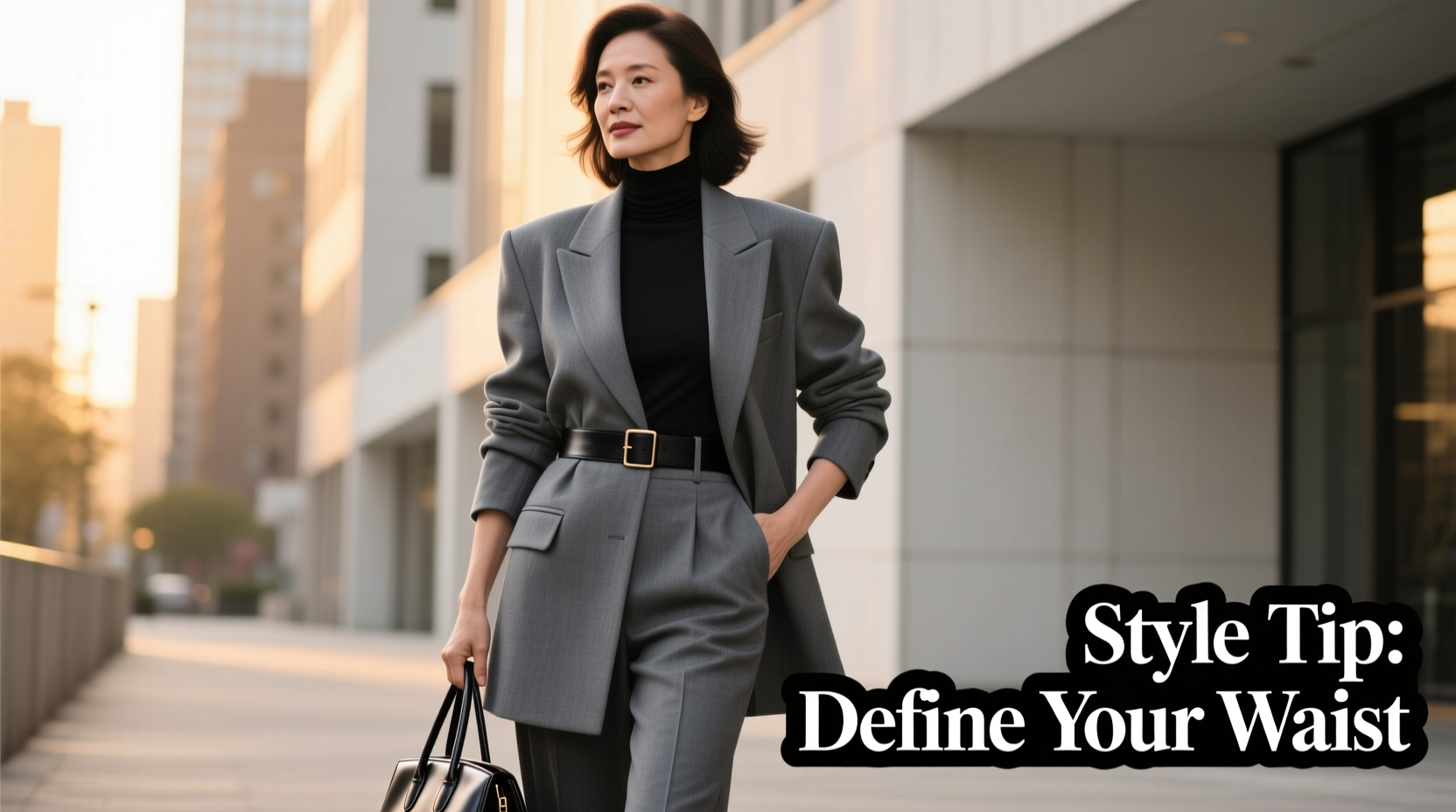
Before styling begins, it’s crucial to distinguish between “oversized” and “ill-fitting.” An oversized blazer is intentionally larger—think broader shoulders, longer sleeves, and extra room through the torso—but still maintains clean lines and intentional drape. An ill-fitting blazer, on the other hand, lacks structure, sags at the shoulders, or pools fabric where it shouldn’t.
Fashion stylist Lena Moretti explains:
“Oversized doesn’t mean shapeless. The best oversized blazers have architectural intent—they’re designed to be big, but still follow the body’s natural lines.” — Lena Moretti, Celebrity Stylist
To ensure you’re working with a true oversized piece, check these markers:
- Shoulders: Seams should sit just beyond your natural shoulder line—not drooping past your arms.
- Sleeves: Can extend slightly past the wrist, but shouldn’t cover your hands entirely.
- Length: Ideally hits at or below the hip for balance.
- Waist definition: Even if boxy, there should be some visual tapering or opportunity to cinch.
Master Proportion with Strategic Pairings
One of the most common reasons oversized blazers look frumpy is poor proportion. Wearing a voluminous top with wide-leg pants or a full skirt can create a bottom-heavy silhouette that lacks definition. The solution? Balance volume above with structure below—or vice versa.
Think of dressing as visual math: if the top half is expanded, the lower half should be streamlined. Here are proven combinations:
| Top Half (Blazer Style) | Bottom Half (Ideal Match) | Why It Works |
|---|---|---|
| Oversized wool blazer | Skinny jeans + ankle boots | Tight lower half balances loose upper half |
| Longline linen blazer | Bike shorts + sneakers | Modern contrast creates athletic-chic edge |
| Cropped oversized tweed blazer | High-waisted wide-leg trousers | Volume on top mirrors volume below—keeps eye level balanced |
| Boxy denim blazer | Bodycon midi dress | Feminine curves peek through structured outerwear |
Avoid pairing oversized blazers with baggy sweaters and loose joggers unless you're aiming for a deliberate streetwear aesthetic—and even then, add a belt or statement shoe to anchor the look.
Define Your Waist to Avoid a Shapeless Look
No single trick transforms an oversized blazer faster than adding waist definition. Without it, the silhouette can resemble a tent; with it, you gain elegance and polish.
There are several ways to cinch your waist effectively:
- Wear a belt over the blazer. Use a slim leather belt at natural waist height to create a focal point. Works especially well with longline or trench-style oversized blazers.
- Layer over a fitted vest or bodysuit. A tailored piece underneath signals shape beneath the volume.
- Choose belted blazers. Some oversized designs come with built-in self-tie belts—ideal for instant hourglass creation.
- Tuck in your top. Always tuck shirts, tees, or tanks into high-waisted bottoms to emphasize where your waist begins, even if the blazer covers it partially.
Real Example: Office-to-Dinner Transformation
Take Sarah, a marketing executive who owns a charcoal gray oversized wool blazer. During the day, she wears it open over a loose turtleneck and straight-leg trousers—professional but slightly boxy. After work, she transforms the look: she swaps her flats for pointed-toe heels, swaps the turtleneck for a black silk camisole, and adds a thin gold chain belt over the blazer at her natural waist. The result? Instant evening elegance. By introducing vertical lines (heels), shine (silk), and waist definition (belt), the same blazer looks sharp and feminine instead of slouchy.
Use Footwear to Ground the Silhouette
Footwear plays a surprisingly powerful role in preventing frumpiness. When your top half is large, your shoes act as visual anchors. Flats like loafers or ballet flats can work, but only if paired with cropped or cuffed pants to maintain leg visibility.
For maximum impact, choose shoes that elongate the leg or add polish:
- Ankle boots with a heel – Draw the eye downward and support the weight of the blazer.
- Pointed-toe flats or pumps – Create a longer leg line, balancing bulk above.
- Strappy sandals – Add femininity and break up heavy fabrics.
Avoid overly chunky shoes unless they’re part of a cohesive aesthetic (e.g., minimalist grunge). Platform sneakers can work with casual blazers, but pair them with shorter hemlines to avoid visual heaviness.
Accessorize with Intention
Accessories are not afterthoughts—they’re essential tools for refining an oversized blazer look. The right pieces draw attention to your face and neckline, keeping the focus upward rather than letting the eye get lost in fabric folds.
Consider this checklist when accessorizing:
- Wear a statement necklace or layered delicate chains
- Add earrings that graze the shoulders—draws attention to facial features
- Carry a structured handbag no larger than 10 inches wide
- Roll sleeves once or twice to reveal wrists and watches
- Opt for narrow scarves or silk neckerchiefs tied at the collar
Conversely, avoid oversized tote bags or slouchy crossbodies that add more volume. Keep accessories proportional. A tiny watch with a giant blazer can look mismatched—scale matters.
Know When to Size Down or Tailor
Not every oversized blazer should stay oversized. Some brands exaggerate the cut, making even “medium” sizes unwieldy for average frames. Don’t hesitate to size down if the blazer overwhelms your frame.
Tailoring is also a powerful option. You don’t need to alter the entire garment—just small adjustments make a difference:
- Hemming sleeves – Brings balance if they’re dragging past your knuckles.
- Lightly tapering sides – A tailor can take in the back seam slightly without losing the oversized effect.
- Shortening length – Ideal if the blazer hits mid-thigh and makes legs appear shorter.
As designer Maria Chen notes:
“A great blazer should enhance your presence, not hide it. If it swallows you, it’s not serving its purpose.” — Maria Chen, Founder of MC Studio Apparel
Step-by-Step Guide: Styling an Oversized Blazer for Any Occasion
Follow this five-step process to style your oversized blazer flawlessly—whether for work, weekends, or nights out.
- Start with the right base. Choose a fitted top—a bodysuit, tucked-in tee, or shell—that won’t add bulk underneath.
- Pick bottoms that contrast in volume. If the blazer is wide, go for slim-fit pants, leggings, or a pencil skirt.
- Define your waist. Use a belt, tuck, or fitted layer to mark your midsection. <4> Select grounding footwear. Heels, pointed toes, or ankle boots help stabilize the look.
- Add finishing touches. Jewelry, a scarf, or a sleek bag pulls everything together.
This sequence ensures you never skip a critical element. Think of it as building a balanced outfit from the ground up.
Common Mistakes That Make Oversized Blazers Look Frumpy
Even with good intentions, small missteps can undermine your look. Watch out for these pitfalls:
| Mistake | Why It’s Problematic | Better Alternative |
|---|---|---|
| Wearing with baggy loungewear | Doubles down on looseness—no visual interest | Pair with form-fitting or tailored bottoms |
| Letting the blazer hang open with no waist reference | Loses all sense of shape | Add a belt or wear buttoned at the hips |
| Choosing too-long lengths on petite frames | Cuts off leg line, shortens silhouette | Opt for cropped or hip-length oversized styles |
| Ignoring fabric weight | Heavy tweed + thick knit = bulky overload | Pair lightweight blazers with airy layers |
FAQ: Your Oversized Blazer Questions Answered
Can petite women wear oversized blazers?
Absolutely—but with smart choices. Opt for cropped oversized blazers that hit at the hip, pair them with high-waisted bottoms to maintain leg length, and always add vertical elements like long necklaces or open layers. Avoid ultra-long or double-breasted oversized cuts, which can overwhelm smaller frames.
How do I keep my oversized blazer from looking like a man’s jacket?
Focus on fit and femininity. Ensure the shoulders aren’t excessively wide, and add waist definition through tucking, belting, or layering. Pair with distinctly feminine pieces—silk blouses, heels, or skirts—to offset the masculine tailoring roots of most blazers.
Is it okay to wear an oversized blazer unbuttoned?
Yes, but only if you’ve created shape underneath. An unbuttoned blazer works best when you’re wearing a tucked top, a belt, or a dress that nips in at the waist. Otherwise, it risks looking like a thrown-on coat rather than a styled layer.
Final Thoughts: Own the Look with Confidence
Styling an oversized blazer without looking frumpy isn’t about following rigid rules—it’s about understanding balance, proportion, and personal expression. The most polished looks come not from perfection, but from intentionality. Every choice, from your shoes to your sleeve roll, sends a message about how you want to be seen.
The oversized blazer is a symbol of modern dressing: relaxed yet refined, bold yet wearable. When you wear one with a defined waist, grounded footwear, and thoughtful accessories, you’re not hiding in fabric—you’re commanding space with ease.




 浙公网安备
33010002000092号
浙公网安备
33010002000092号 浙B2-20120091-4
Comments
No comments yet. Why don't you start the discussion?