
The iPhone 13 Pro Max remains a premium device valued for its performance, camera system, and build quality. But even with its sturdy design, it’s vulnerable to drops, scratches, and daily wear. A high-quality protective case isn’t just an accessory—it’s essential insurance against damage. With countless options on the market, selecting the most durable case requires more than just browsing flashy product photos. It demands understanding materials, drop ratings, design trade-offs, and real-world usability.
This guide breaks down everything you need to know to make a confident, informed decision—ensuring your iPhone stays protected in the harshest conditions without sacrificing functionality or style.
Understanding What Makes a Case Truly Durable
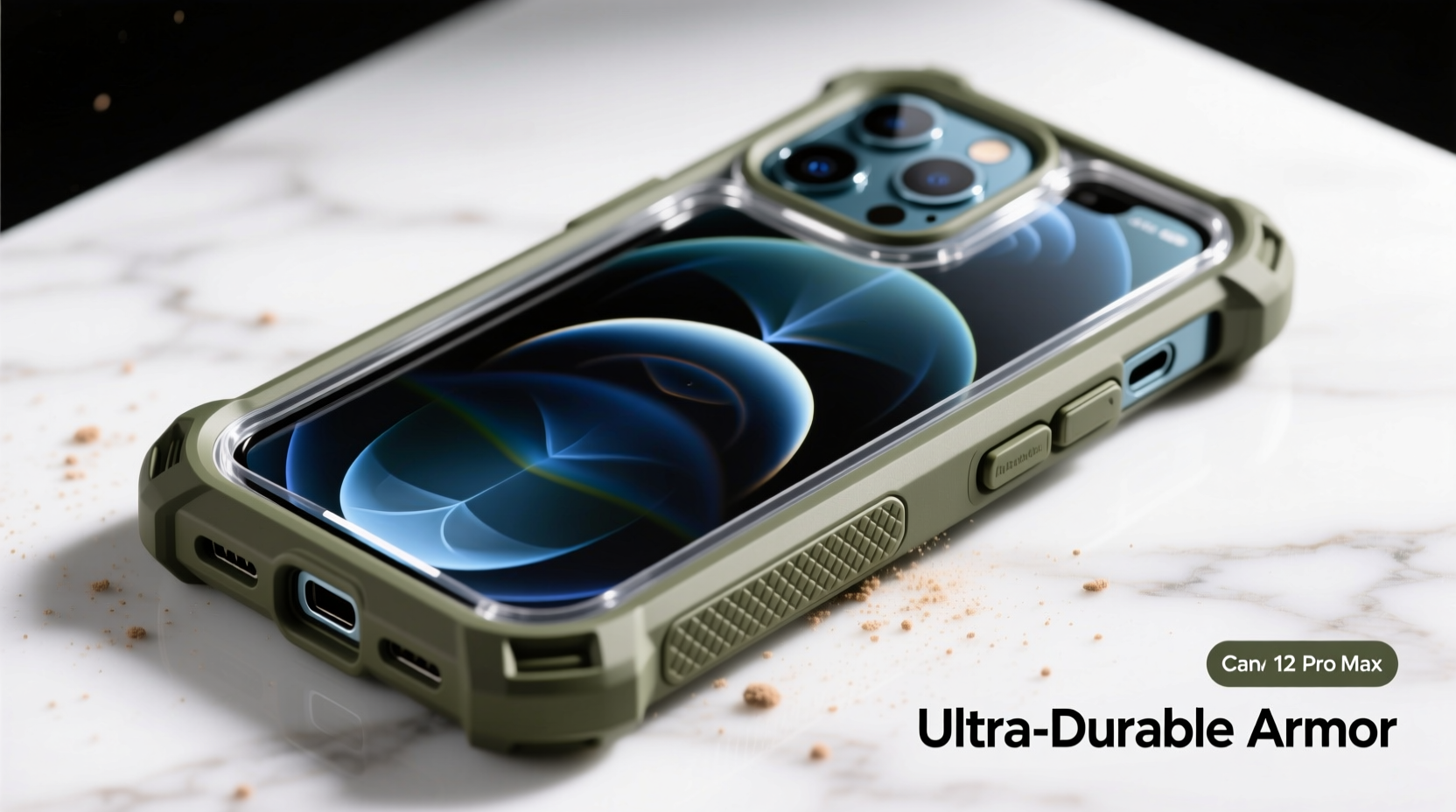
Durability isn’t just about thickness or rugged appearance. A truly durable case combines impact resistance, structural integrity, long-term wear resistance, and precise engineering. The best cases absorb shock from drops, resist abrasions, maintain grip, and protect all critical areas—including corners, screen, and camera module.
Independent testing standards like MIL-STD-810G (a U.S. military drop test standard) are often cited by manufacturers. Cases that meet or exceed this benchmark have been tested for multiple drops from 4–6 feet onto concrete, simulating real-life accidents. However, not all brands test rigorously, so look for third-party certifications or verified lab results when available.
“Drop protection is only as good as the weakest point. A case might survive ten drops, but if the screen cracks on the eleventh due to poor lip height, it failed.” — David Lin, Mobile Device Protection Engineer
Material Matters: Comparing Common Case Types
The material of a case directly affects its durability, weight, feel, and longevity. Here's a breakdown of the most common types used in high-end iPhone 13 Pro Max cases:
| Material | Pros | Cons | Best For |
|---|---|---|---|
| Polycarbonate (Hard Plastic) | High impact resistance, scratch-resistant, maintains shape over time | Can feel slippery, less shock absorption alone | Hybrid cases, slim protection |
| TPU (Thermoplastic Polyurethane) | Flexible, excellent shock absorption, soft-touch finish | May yellow over time, especially with UV exposure | Daily drivers, budget durability |
| Silicone | Pleasant texture, decent grip, heat resistant | Limited drop protection, attracts dust and lint | Style-focused users, light protection |
| Aluminum/Metal Reinforcements | Extreme structural rigidity, dent resistance | Heavy, may interfere with wireless charging or MagSafe | Rugged outdoor use |
| Hybrid (TPU + Polycarbonate) | Balances flexibility and rigidity, superior overall protection | Slightly bulkier than single-material cases | Maximum durability seekers |
For ultimate protection, hybrid designs dominate. They combine a flexible TPU inner layer that absorbs shock with a rigid polycarbonate outer shell that prevents deformation during impact.
Key Features That Enhance Real-World Protection
A durable case must do more than survive lab tests. It needs to perform under everyday stress. Consider these often-overlooked features:
- Cornor reinforcement: Most drops happen corner-first. Cases with extra padding or air-cushion technology in corners significantly reduce internal damage risk.
- Camera lens protection: The protruding camera module on the iPhone 13 Pro Max is fragile. A case should extend at least 1–2mm above the lenses.
- MagSafe compatibility: Avoid cases that block or misalign MagSafe chargers and accessories. The best durable cases integrate MagSafe rings seamlessly.
- Port coverage: Raised edges around ports keep dust and debris out while allowing full access to cables.
- Grip texture: Textured sides or rubberized coatings prevent accidental slips, especially in humid or cold environments.
Real-World Scenario: The Construction Worker’s Experience
Mark, a project supervisor in Denver, uses his iPhone 13 Pro Max daily on job sites. He previously went through three phones in two years due to cracked screens and water damage. After switching to a rugged hybrid case with MIL-STD-810G certification, he hasn’t had a single issue—even after dropping it from a scaffold (about 8 feet) onto gravel.
“I thought those ‘military-grade’ claims were marketing fluff,” Mark says. “But this case dented, absorbed the impact, and my phone booted up fine. I now recommend it to everyone who works outdoors.”
His case includes a built-in belt clip, waterproof port covers, and antimicrobial coating—features tailored to harsh environments. While bulkier, the trade-off in peace of mind was worth it.
Step-by-Step Guide to Choosing Your Ideal Case
Follow this sequence to ensure you select a case that delivers maximum protection without compromising usability:
- Assess your lifestyle: Are you active, travel frequently, work in demanding conditions, or mostly use your phone indoors? High-risk environments demand rugged builds.
- Set your priority: Is it pure drop protection, slim profile, wallet functionality, or MagSafe support? You can’t maximize all at once.
- Check independent reviews: Look for YouTube drop tests, Reddit threads, and consumer reports that evaluate long-term wear and real drop performance.
- Verify compatibility: Ensure the case supports wireless charging, fits screen protectors, and doesn’t muffle speaker or microphone quality.
- Purchase from reputable brands: Stick to known names like OtterBox, Spigen, UAG, or RhinoShield—companies with consistent quality control and warranty support.
- Inspect return policy: Buy from retailers offering at least a 30-day trial. Some cases feel different in hand than expected.
Frequently Asked Questions
Do thicker cases always offer better protection?
Not necessarily. While added thickness often improves shock absorption, poorly designed thick cases can transfer impact energy inefficiently. Well-engineered slim hybrids sometimes outperform bulky models due to advanced materials and structural design.
Can a durable case prevent screen cracks?
A good case reduces the likelihood, but it can't eliminate risk entirely. Even with excellent drop protection, direct impacts on hard surfaces can still cause screen fractures. Pair your case with a tempered glass screen protector for complete front defense.
How long should a durable iPhone case last?
With regular use, a high-quality TPU or hybrid case should last 18–24 months before showing significant wear like yellowing, cracking, or loosening. Silicone cases may degrade faster under UV exposure.
Final Checklist Before Buying
- ✅ Meets MIL-STD-810G or equivalent drop standard
- Verified through independent testing or manufacturer documentation.
- ✅ Hybrid construction (TPU + polycarbonate)
- Offers optimal balance of flexibility and rigidity.
- ✅ Raised edges for screen and camera
- Prevents direct surface contact when laid flat.
- ✅ Maintains MagSafe functionality
- Ensures seamless charging and accessory attachment.
- ✅ Positive long-term user reviews
- Look for feedback on yellowing, button wear, and fit over time.
- ✅ Comfortable grip and manageable size
- Durability shouldn’t come at the cost of usability.
Conclusion: Protect Your Investment Wisely
Your iPhone 13 Pro Max is a powerful tool and a significant investment. Subjecting it to daily hazards without proper protection risks costly repairs or replacement. The most durable case isn’t just the bulkiest one—it’s the one engineered with precision, tested under real conditions, and built to endure your specific lifestyle.
Take the time to research, compare materials, and prioritize features that matter most to you. Whether you're scaling ladders, commuting in crowded cities, or parenting with one hand, the right case ensures your phone survives what life throws at it—again and again.




 浙公网安备
33010002000092号
浙公网安备
33010002000092号 浙B2-20120091-4
Comments
No comments yet. Why don't you start the discussion?