
A keychain is more than just a tool to keep your keys together—it’s a daily companion that reflects your lifestyle, priorities, and even preparedness. Whether you're unlocking your front door, starting your car, or accessing a secure office, the right keychain can make these actions smoother, safer, and more efficient. Yet most people overlook this small but critical item until it fails them: a broken clasp, lost keys, or an overly bulky design that digs into your pocket.
The most versatile keychains balance durability, functionality, and minimalism. They adapt to different environments—urban commutes, outdoor adventures, travel—and support additional tools without compromising accessibility. Choosing one isn’t about picking the shiniest or most expensive option; it’s about aligning form with function in a way that serves your routine reliably, day after day.
Assess Your Daily Needs and Key Load
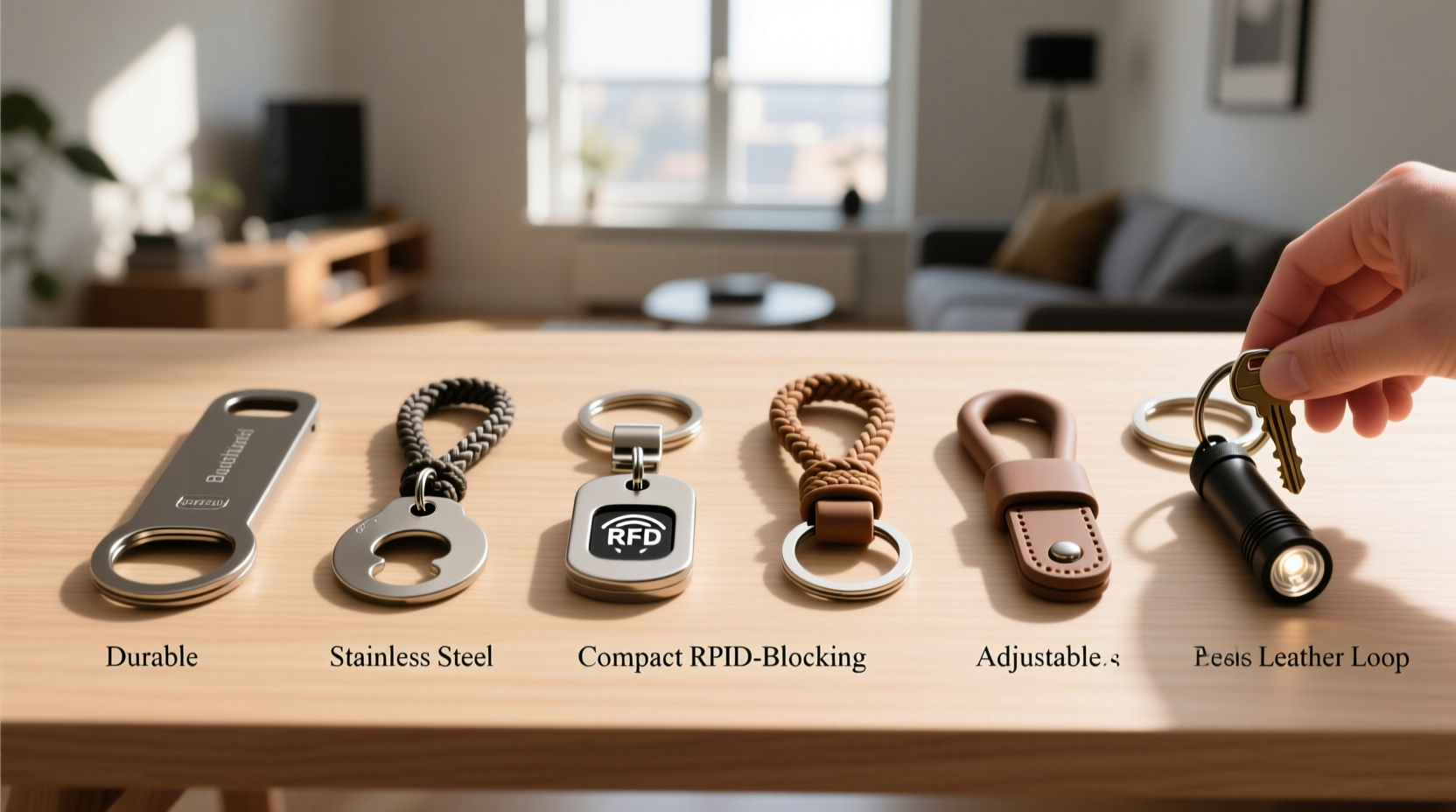
Before selecting a keychain, evaluate what you carry and how often you use it. The number of keys, their size, and whether they include electronic fobs (like garage openers or access cards) all influence the ideal design.
For example, someone with five house, car, and office keys needs a different solution than a minimalist who carries only a single door key and a USB drive. Overloading a flimsy split ring leads to breakage or accidental drops, while underutilizing a multi-tool keychain wastes potential.
Consider categorizing your keys by frequency of use:
- Daily: House, car, office
- Occasional: Storage unit, bike lock, safe
- Rare: Old apartment, guest house
Keep only the first two categories on your primary keychain. Store rare-use keys separately to reduce weight and clutter.
Material Matters: Strength, Weight, and Longevity
The material of your keychain directly affects its performance over time. Common options include steel, aluminum, titanium, and plastic composites—each with trade-offs in strength, corrosion resistance, and feel.
| Material | Pros | Cons |
|---|---|---|
| Stainless Steel | High strength, rust-resistant, durable | Heavy, can scratch surfaces |
| Aluminum | Lightweight, modern look, affordable | Less durable under stress |
| Titanium | Extremely strong, lightweight, corrosion-proof | Premium cost |
| Plastic/Composite | Quiet, non-conductive, colorful | Wears faster, not for heavy loads |
For maximum versatility, stainless steel or titanium offer the best long-term value. While heavier than aluminum, steel resists deformation when dropped or stressed. Titanium provides similar strength at nearly half the weight, making it ideal for active users or those sensitive to pocket bulk.
“Most key failures happen at weak points—cheap alloys crack, thin rings bend. Invest in aerospace-grade materials if you rely on your keys daily.” — Daniel Reed, Industrial Designer & EDC Specialist
Design Features That Enhance Versatility
Beyond material, design determines how useful a keychain truly is. Look for these functional elements when shopping:
- Quick-release mechanism: Allows detaching keys instantly—useful for handing over a single key or securing items during emergencies.
- Modular attachment points: Let you add tools like mini flashlights, bottle openers, or USB drives without clutter.
- Low-profile clasp: Prevents snagging on fabric or bags and reduces noise.
- Rotating bail or swivel: Reduces tangling and makes retrieval easier from tight pockets.
- Integrated organization: Some keychains feature labeled slots or compartments for non-key items like SD cards or emergency cash.
One increasingly popular design is the “key system” format—modular carriers that hold keys flat and side-by-side, eliminating jingling and enabling one-key access without removing the entire set. These are especially effective for professionals or frequent travelers who need speed and discretion.
Mini Case Study: Urban Commuter Upgrades His Key Setup
Mark, a software developer in Chicago, used a standard split ring with seven keys. He frequently misplaced his keys at home and found them uncomfortable in his front pocket during subway rides. After researching compact systems, he switched to a titanium quick-detach keychain with a rotating disc design.
The new setup held his three essential keys flush against the body, added space for a micro flashlight, and featured a push-button release for his bike lock key. Within weeks, he reported fewer lost keys, faster access, and no more pocket digging. The initial $38 investment paid off in reduced frustration and time saved.
Step-by-Step Guide to Choosing Your Ideal Keychain
Follow this sequence to ensure you select a truly versatile keychain tailored to your habits:
- Inventory your keys: Lay out every key you regularly carry and note usage frequency.
- Weigh your current setup: Use a kitchen scale to measure total weight. Anything over 4 oz may benefit from a lighter alternative.
- Determine your environment: Do you walk daily? Work outdoors? Travel often? Choose materials suited to moisture, impact, and wear.
- Select a core design: Decide between traditional rings, carabiners, folding organizers, or modular systems.
- Test compatibility: Ensure the keychain accommodates your largest key (often a house or padlock key) without strain.
- Add utility gradually: Attach one extra tool (e.g., bottle opener) and assess comfort before expanding.
- Evaluate after two weeks: Note any discomfort, failures, or improvements in access speed.
Checklist: Must-Have Qualities in a Versatile Keychain
Use this checklist to evaluate options before purchasing:
- ✅ Made from corrosion-resistant metal (stainless steel, titanium)
- ✅ Secure closure (snap, screw gate, or magnetic lock)
- ✅ Fits comfortably in pocket or bag without protruding edges
- ✅ Supports at least 5–7 standard keys without bending
- ✅ Includes optional attachment points for tools or tags
- ✅ Operable with one hand, even with gloves
- ✅ Quiet operation (minimal jingling)
- ✅ Under 3 inches in longest dimension for portability
Frequently Asked Questions
Can I use a keychain with built-in tools every day?
Yes, but only if the tools are securely attached and don’t compromise the structural integrity of the chain. High-quality multi-function keychains made from hardened steel or titanium are designed for daily stress. Avoid cheap novelty versions—they often fail unexpectedly.
Are magnetic keychains safe for electronics?
Generally, yes. Small magnets in keychains pose little risk to smartphones, credit cards, or smart keys. However, avoid prolonged contact with older mechanical watches or medical devices like pacemakers. If in doubt, opt for non-magnetic closures.
How often should I replace my keychain?
Inspect it every six months for signs of wear: cracks, loose joints, or difficulty latching. Even durable materials degrade over time due to constant flexing and impact. Replace immediately if any component feels unstable.
Final Thoughts: Make the Small Things Work Better
The most versatile keychain isn’t defined by brand names or flashy features—it’s measured by how seamlessly it integrates into your life. It should disappear into your routine until needed, then perform flawlessly. By thoughtfully assessing your load, prioritizing quality materials, and choosing intelligent design, you turn a mundane object into a reliable extension of your daily efficiency.




 浙公网安备
33010002000092号
浙公网安备
33010002000092号 浙B2-20120091-4
Comments
No comments yet. Why don't you start the discussion?