
In modern homes and offices, air conditioning is essential for comfort during warmer months. However, overcooling can lead to chilly environments that disrupt sleep or relaxation. A well-chosen flannel blanket offers a lightweight yet cozy solution—providing just enough warmth without overheating. Unlike heavy wool throws or synthetic fleece that trap heat, quality flannel strikes a balance between insulation and breathability. The key lies in selecting the right material, weight, weave, and care features tailored to climate-controlled interiors.
Understanding Flannel: More Than Just Softness
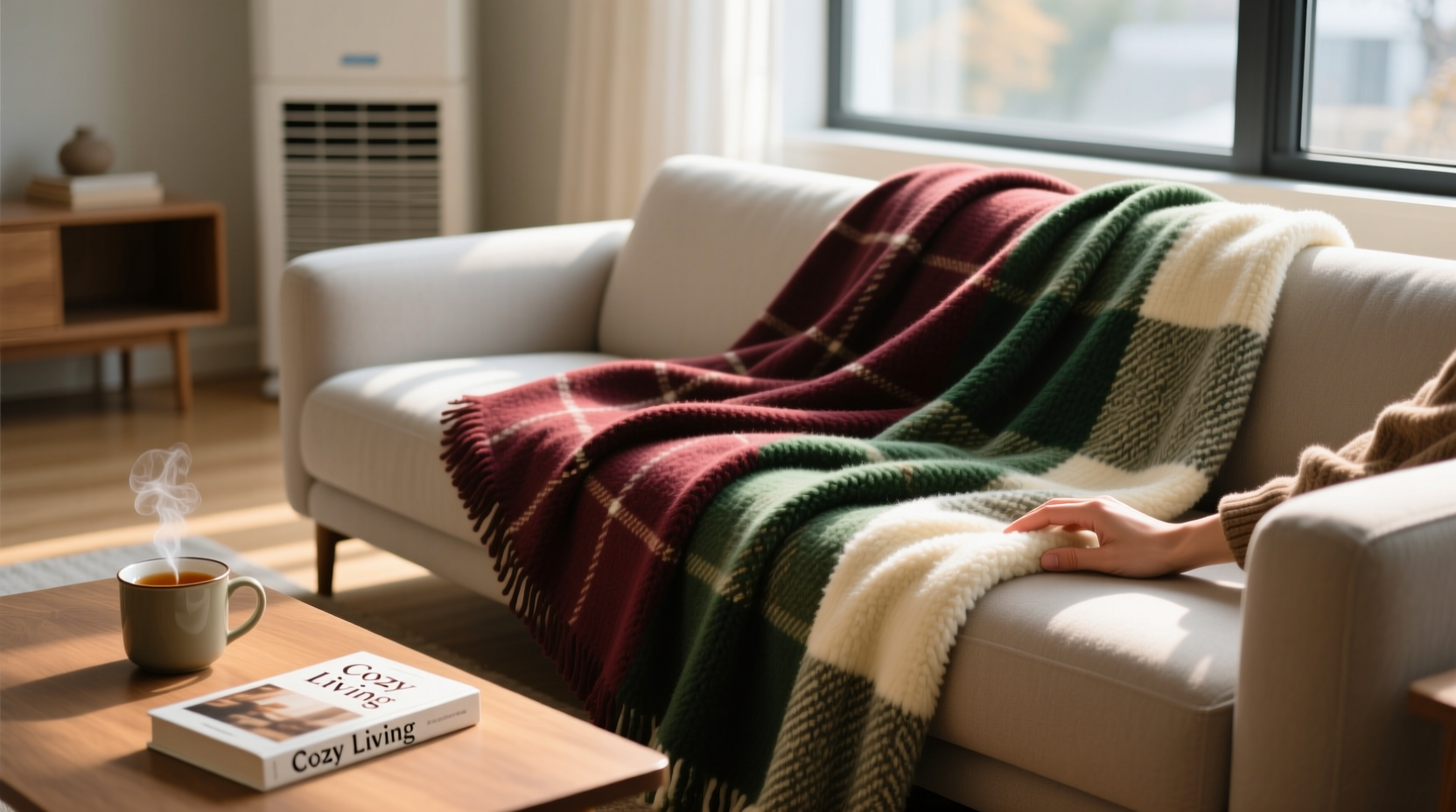
Flannel is a loosely woven fabric, typically made from cotton, wool, or synthetic fibers, known for its brushed surface that creates a soft, fuzzy texture. This brushing process—called napping—traps tiny pockets of air, giving flannel its insulating properties while remaining breathable. In air conditioned rooms where temperatures hover between 65°F and 72°F (18°C–22°C), this balance is critical: too warm, and you’ll kick the blanket off; too thin, and you’ll reach for something heavier.
Cotton flannel remains the most popular choice due to its natural breathability, moisture-wicking ability, and hypoallergenic qualities. Wool flannel provides superior warmth but may be too hot for summer AC settings. Polyester-based flannels are durable and affordable but often lack breathability and can feel clammy over time.
“Flannel works best when it complements the environment—not fights it. In cooled spaces, medium-weight cotton flannel with a tight weave delivers consistent comfort.” — Dr. Lena Torres, Textile Researcher at the Institute of Home Comfort
Key Factors When Choosing a Flannel Blanket
Selecting the ideal flannel blanket involves more than touch and appearance. Consider these five core factors:
- Fabric Composition: Opt for 100% cotton or cotton-blend flannel. Pure cotton regulates temperature better than synthetics.
- Weight and GSM: Look for blankets with a weight between 170–220 grams per square meter (GSM). This range provides warmth without bulk.
- Weave Density: Tightly woven flannel resists pilling and lasts longer. Check thread count; aim for 130–150 threads per inch.
- Size and Drape: Choose a size slightly larger than your bed or seating area. Twin-sized blankets work for single lounge chairs, while queen or king sizes suit beds.
- Care Requirements: Machine-washable, low-shrinkage options save time and maintain softness over repeated use.
Step-by-Step Guide to Finding Your Ideal Flannel Blanket
- Assess Your Environment: Measure average room temperature. If your space runs below 68°F (20°C), opt for mid-weight flannel. Above that, go lighter.
- Determine Primary Use: Will it be used on a sofa, bed, or for travel? Larger blankets with finished edges prevent fraying during frequent use.
- Check Fabric Labels: Prioritize 100% cotton or high-cotton blends. Avoid blankets with more than 30% polyester unless durability is your top priority.
- Feel Before You Buy: Run your hand across the surface. It should feel plush but not slick—excessive sheen often indicates synthetic finishes.
- Review Care Instructions: Select machine-washable options with cold-water recommendations to preserve fiber integrity.
- Read User Feedback: Look for recurring comments about softness retention, pilling resistance, and colorfastness.
Comparison Table: Flannel Types for Air Conditioned Spaces
| Fabric Type | Warmth Level | Breathability | Durability | Best For |
|---|---|---|---|---|
| 100% Cotton Flannel | Moderate | High | Good (with proper care) | Sleeping, year-round indoor use |
| Cotton-Polyester Blend (70/30) | Moderate to High | Moderate | Excellent | Dorms, guest rooms, high-use areas |
| Wool Flannel | High | Moderate | Very Good | Colder climates or over-cooled offices |
| Microflannel (100% Polyester) | Low to Moderate | Low | Good | Decorative use, short-term comfort |
Real-Life Example: Sarah’s Office Comfort Upgrade
Sarah, a remote worker in Phoenix, Arizona, kept her home office at 67°F to stay alert during long video calls. While effective for concentration, the constant cool air left her shoulders stiff and legs chilled by mid-afternoon. She tried several throws—fleece, knit cotton, even a down-adapted travel blanket—but found them either too hot or too slippery.
After researching fabric types, she selected a 100% cotton flannel throw labeled “brushed on both sides” with a 190 GSM weight. Within days, she noticed a difference: the blanket retained body heat without causing sweating, stayed in place on her chair, and softened further after each wash. Most importantly, she no longer needed to layer clothing to compensate for the AC.
This case illustrates how a thoughtful choice—based on material science and personal environment—can transform daily comfort.
Checklist: Picking the Right Flannel Blanket
Before purchasing, confirm the following:
- ✅ Fabric is at least 70% cotton
- ✅ Weight falls between 170–220 GSM
- ✅ Tight weave with minimal lint shedding
- ✅ Pre-washed or low-shrink guarantee
- ✅ Full-size coverage for intended use (e.g., queen for bed, throw size for couch)
- ✅ Machine washable in cold water
- ✅ No chemical odor or excessive sheen (signs of synthetic coatings)
Frequently Asked Questions
Can I use a flannel blanket all year round in an air conditioned home?
Yes. Medium-weight cotton flannel is versatile enough for year-round use in climate-controlled environments. Its breathability prevents overheating in summer, while its light insulation compensates for cooler winter AC settings.
Why does my flannel blanket pill after a few washes?
Pilling occurs due to friction and weak fiber bonding. Low-quality blends or loose weaves are prone to this. To reduce pilling, wash in cold water on a gentle cycle, avoid fabric softeners, and tumble dry on low.
Are flannel blankets safe for people with allergies?
High-quality cotton flannel is naturally hypoallergenic and resistant to dust mites. Avoid heavily treated or scented blankets, which may trigger sensitivities. Washing before first use removes residual processing agents.
Final Tips for Long-Term Comfort
To maximize longevity, store your flannel blanket in a cool, dry closet away from direct sunlight. Fold neatly or roll instead of cramming into tight spaces to prevent permanent creasing. Avoid bleach and enzyme-heavy detergents—they degrade the brushed fibers over time. Instead, use mild, pH-balanced laundry soap to preserve softness and color.
Over time, flannel develops a lived-in coziness that many users prefer. With proper selection and care, it becomes more than a seasonal accessory—it evolves into a trusted companion for comfort in any air conditioned space.
Take Action Today for Better Comfort Tomorrow
The right flannel blanket doesn’t just add warmth—it enhances your daily well-being in cooled environments. Whether you're working from home, watching evening TV, or trying to sleep soundly, a thoughtfully chosen flannel layer bridges the gap between cool air and personal comfort. Don’t settle for scratchy, overheating alternatives. Use the insights above to select a blanket that feels soft, performs reliably, and stands the test of time. Your body—and your thermostat—will thank you.




 浙公网安备
33010002000092号
浙公网安备
33010002000092号 浙B2-20120091-4
Comments
No comments yet. Why don't you start the discussion?