
Selecting the right case for your iPhone 14 isn’t just about aesthetics—it’s a decision that affects protection, usability, and long-term satisfaction. With dozens of models available and even more variations in design, material, and function, finding the ideal match can feel overwhelming. Whether you're upgrading from an older device or replacing a worn-out case, this guide breaks down every critical factor to help you make a confident, informed choice tailored to your lifestyle.
Understand Your Protection Needs
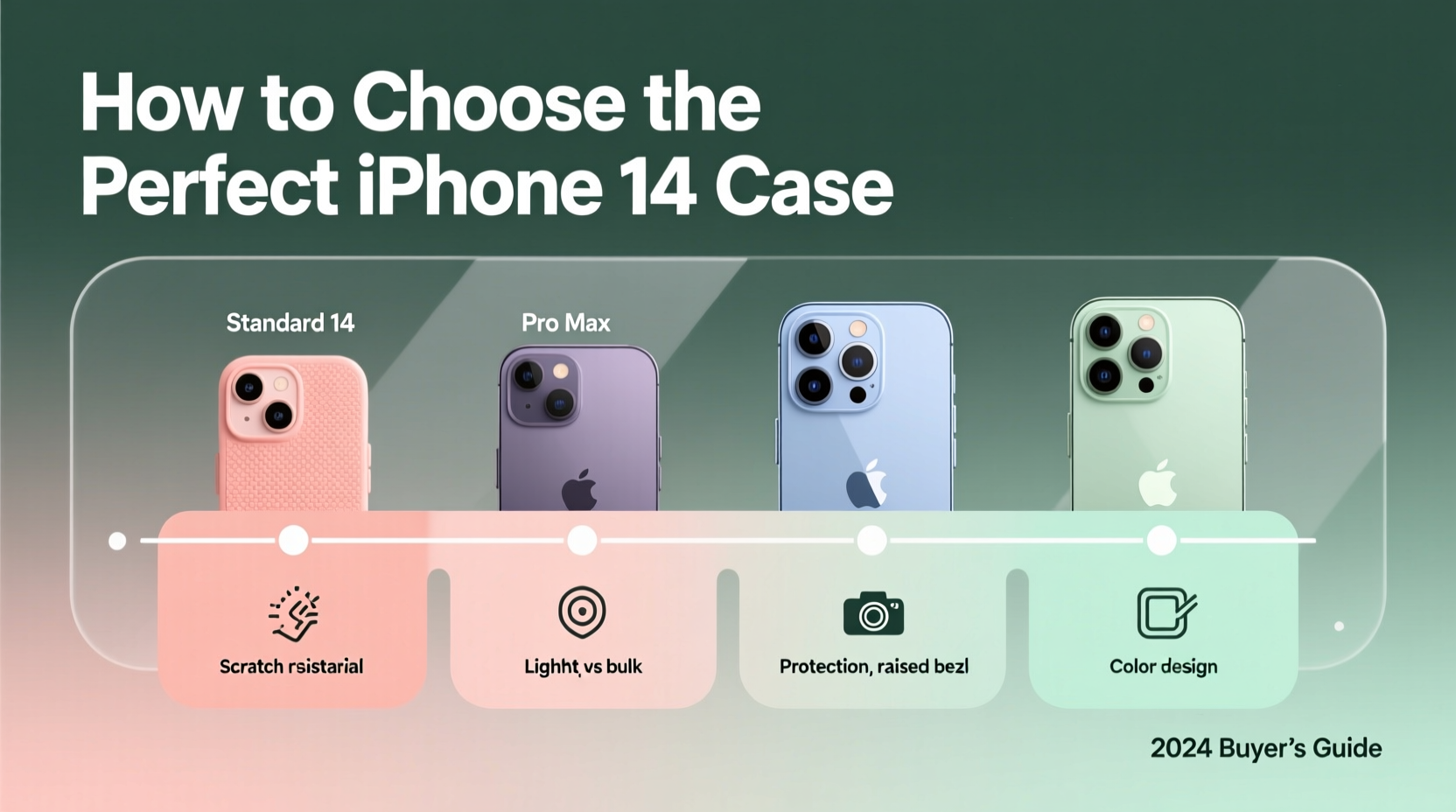
The primary purpose of any phone case is protection, but not all users face the same risks. Your daily routine determines how much defense your iPhone needs. Someone commuting on a crowded subway may need heavy-duty shock absorption, while a home-based user might prioritize sleekness over ruggedness.
iPhone 14 models—especially the Pro variants—are precision-engineered devices with glass backs and ceramic shields. While Apple touts improved drop resistance, real-world conditions like pavement drops, water exposure, or pocket scratches still pose threats. A well-chosen case mitigates these without compromising access to features like MagSafe or wireless charging.
Material Matters: Pros and Cons
The material of your case directly influences grip, weight, heat dissipation, and longevity. Each option has trade-offs, so understanding them helps align your pick with your priorities.
| Material | Pros | Cons |
|---|---|---|
| Silicone | Soft touch, excellent grip, MagSafe compatible | Can attract lint, prone to discoloration over time |
| Polycarbonate (Hard Plastic) | Durable, scratch-resistant, lightweight, often transparent | Less impact absorption, can feel slippery |
| TPU (Thermoplastic Polyurethane) | Flexible, shock-absorbent, affordable | May yellow with UV exposure, less premium feel |
| Leather (Synthetic or Genuine) | Ages beautifully, develops patina, premium look | Higher cost, requires conditioning, not always drop-proof |
| Hybrid (TPU + Polycarbonate) | Combines flexibility and rigidity; best for high-impact protection | Bulkier than single-material options |
For most users, hybrid cases offer the best balance between durability and slim profile. If you value minimalism, silicone remains a top contender—especially Apple’s official version, which integrates seamlessly with MagSafe accessories.
Fit and Functionality: Precision Engineering
An ill-fitting case defeats its purpose. Even a millimeter of misalignment can block ports, interfere with buttons, or leave gaps where dust and moisture enter. Always verify compatibility with your exact model—iPhone 14, 14 Plus, 14 Pro, and 14 Pro Max have different dimensions and camera cutouts.
Look for cases that feature:
- Laser-precise cutouts for speakers, charging port, and cameras
- Tactile, responsive button covers (not mushy or stiff)
- Elevated edges around screen and camera lens to prevent surface contact
- Seamless integration with MagSafe chargers and wallets
“Even the most durable case fails if it doesn’t fit perfectly. Misaligned ports lead to frustration—and skipped updates when users avoid plugging in.” — David Lin, Mobile Accessory Designer at TechGear Labs
Step-by-Step Guide to Choosing Your Case
Follow this logical sequence to narrow down your options efficiently:
- Identify your usage pattern: Are you active outdoors, desk-bound, or constantly on the move? High-risk lifestyles demand rugged designs.
- Determine must-have features: Do you use MagSafe? Need wallet functionality? Prefer transparency to show off your iPhone color?
- Select a material: Based on grip, durability, and aesthetic preference.
- Check compatibility: Confirm the case is designed specifically for your iPhone 14 variant.
- Read verified reviews: Focus on long-term feedback about yellowing, button wear, or magnet strength (for MagSafe).
- Purchase from reputable brands: Stick to trusted names like Apple, Spigen, OtterBox, Incipio, or Nomad unless testing lesser-known but well-reviewed options.
- Test in hand (if possible): Visit a retailer to assess thickness, texture, and ease of removal before committing.
Real-Life Example: Sarah’s Commute Upgrade
Sarah, a freelance photographer in Chicago, used a clear TPU case for her iPhone 14 Pro. After three months, it yellowed, and the corners cracked from repeated drops during shoots. She switched to a Spigen Liquid Air Armor case—a hybrid model with air-cushion technology and a built-in kickstand. Not only did it survive a six-foot fall onto concrete, but the stand also helped her shoot hands-free videos. Six months later, it shows no signs of wear. Her experience underscores that investing in quality pays off in both protection and utility.
Checklist: Before You Buy
Use this quick checklist to ensure you’re making the right decision:
- ✅ Confirmed model-specific fit (e.g., “For iPhone 14 Pro Max Only”)
- ✅ Compatible with MagSafe or Qi2 wireless charging
- ✅ Raised edges protect screen and camera
- ✅ Buttons are responsive and covered
- ✅ Ventilation or heat-dissipating design (important for gaming or GPS use)
- ✅ Easy to install and remove without tools
- ✅ Includes warranty or return policy from seller
Frequently Asked Questions
Do I need a case if my iPhone 14 already has Ceramic Shield?
Yes. While Ceramic Shield improves drop performance by up to four times compared to previous models, it doesn’t eliminate the risk of shattering—especially on rough surfaces. A case adds crucial edge and corner protection that the screen alone cannot provide.
Are transparent cases safe long-term?
High-quality transparent cases made from UV-stabilized polycarbonate resist yellowing. However, cheaper versions using basic TPU will discolor within weeks due to sunlight and skin oils. Look for brands advertising “anti-yellowing” technology if you want to keep your iPhone’s original look visible.
Can a case affect signal or battery life?
Poorly designed metal-reinforced cases can interfere with cellular, Wi-Fi, or GPS signals. Most modern cases avoid conductive materials near antennas. As for battery life, thick cases may trap heat during charging or intensive use, slightly reducing efficiency. Opt for cases with ventilation channels or non-insulating materials if you frequently game or navigate.
Final Thoughts: Make It Work for You
Your iPhone 14 is more than a device—it’s a tool for communication, creativity, and connection. Protecting it shouldn’t mean sacrificing style or convenience. The perfect case balances form and function, offering peace of mind without getting in the way. Whether you lean toward minimalist elegance or military-grade toughness, take the time to evaluate what truly matters in your daily use.
Don’t settle for the first option you see. Test alternatives, read real-user experiences, and remember that a $30 case could save you hundreds in screen repairs. Your ideal match exists—it just takes thoughtful consideration to find it.




 浙公网安备
33010002000092号
浙公网安备
33010002000092号 浙B2-20120091-4
Comments
No comments yet. Why don't you start the discussion?