
A keychain pendant may seem like a small detail, but it often speaks volumes. Whether clipped to your keys, bag, or zipper pull, it’s one of the few accessories you carry daily. The right pendant combines visual appeal with practical durability while reflecting something meaningful about who you are. Yet, many people choose based on impulse rather than intention. Selecting the ideal keychain pendant requires thoughtful consideration of material, design, purpose, and personal expression. This guide breaks down how to make that decision with confidence—so your choice lasts, functions well, and feels uniquely yours.
Understand Your Purpose: Form vs. Function
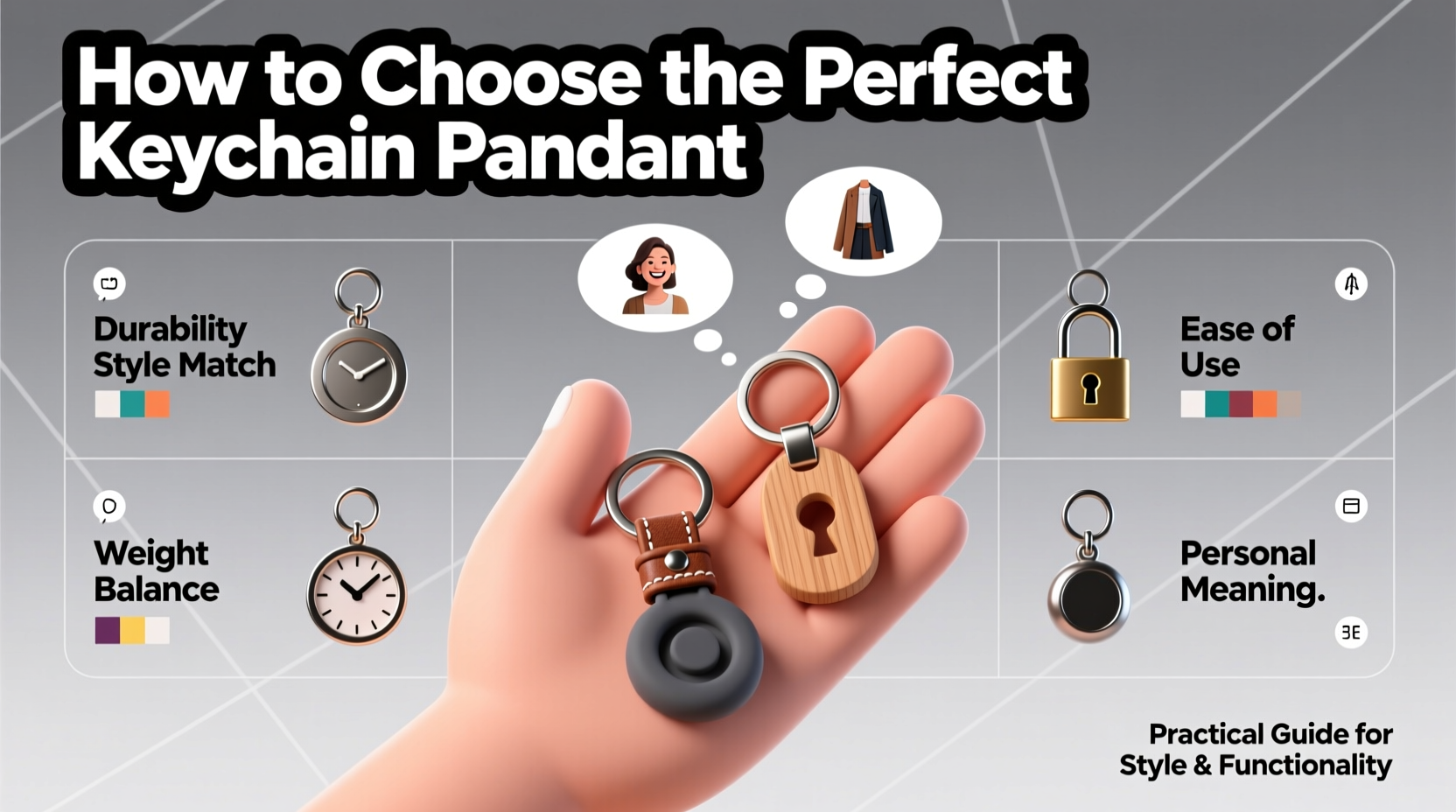
Before selecting a design, clarify why you want a keychain pendant. Is it purely decorative? A gift? A symbol of identity or belief? Or do you need it to serve a practical role—like a bottle opener, mini flashlight, or USB drive? Knowing your primary objective shapes every other decision.
For example, someone seeking a sentimental keepsake might prioritize engraving or symbolic imagery. In contrast, an outdoor enthusiast may prefer a multi-tool pendant made from stainless steel. Overlooking function can lead to disappointment—like choosing a delicate glass charm only to have it shatter after a week in your pocket.
The Role of Lifestyle in Selection
Your daily routine plays a major role. Office professionals might favor sleek, minimalist metal designs that complement a polished look. Artists or creatives may lean toward colorful resin pieces or whimsical shapes. Parents juggling strollers and groceries benefit from compact, snag-free pendants that won’t catch on fabric.
Lifestyle also affects wear and tear. Active users should avoid brittle materials like ceramic or acrylic unless they’re reinforced. Instead, titanium, aluminum, or high-grade polymers offer resilience without added weight.
Material Matters: Durability Meets Aesthetics
The material defines both longevity and appearance. Below is a comparison of common pendant materials, their strengths, and ideal use cases.
| Material | Durability | Weight | Best For | Avoid If... |
|---|---|---|---|---|
| Stainless Steel | High | Medium | Daily carry, outdoor use | You prefer lightweight options |
| Titanium | Very High | Light | Active lifestyles, allergy-prone users | Budget is tight |
| Leather | Low-Moderate | Light | Style-focused, vintage aesthetics | You live in humid climates |
| Silicone | Moderate | Very Light | Kids, gym-goers, color customization | You want premium feel |
| Brass/Bronze | High (tarnishes over time) | Heavy | Artisan designs, heirloom potential | You dislike patina development |
Metals like stainless steel resist scratches and corrosion, making them ideal for long-term use. Titanium offers superior strength-to-weight ratio and hypoallergenic properties—perfect for sensitive skin. Organic materials like wood or leather add warmth and texture but require more care and aren’t suited for wet environments.
“Most people underestimate how much stress a keychain endures. It gets dropped, rubbed against surfaces, and exposed to sweat and moisture. Material selection isn’t just aesthetic—it’s structural.” — Marcus Lin, Industrial Designer & Accessory Specialist
Design Principles That Last
Fashion trends come and go, but timeless design endures. When evaluating pendants, consider proportion, balance, and finish. A bulky pendant may look striking initially but becomes cumbersome when attached to a ring of heavy keys. Conversely, something too tiny may get lost visually or be difficult to handle.
Engraving adds personalization—names, dates, coordinates, or mottos. However, ensure the font remains legible even at small sizes. Simpler typefaces like Helvetica or Garamond hold up better than ornate scripts. Some manufacturers offer laser etching for precision and permanence.
Color choices matter too. While bright hues stand out, they can fade under UV exposure. Anodized aluminum retains color well, whereas painted finishes chip over time. Matte finishes hide scratches better than glossy ones, especially on darker tones.
Symbolism and Sentiment
Many choose pendants for what they represent—an anchor for stability, a compass for direction, or initials for connection. Cultural symbols like the evil eye, hamsa hand, or Celtic knot carry deep meaning across communities. These aren't just decorative; they serve as reminders or talismans.
In one case, Sarah, a nurse working night shifts, chose a small engraved moon pendant with her daughter’s initials. “It’s quiet, subtle, but reminds me why I push through tough nights,” she said. Her pendant was made of brushed titanium—light enough not to interfere during rounds, yet durable enough to survive repeated washes and pocket transfers.
Step-by-Step Guide to Choosing Your Ideal Pendant
- Define your purpose: Decide whether you want decoration, utility, symbolism, or a combination.
- Assess your lifestyle: Consider how active you are, where you go, and what kind of environment your keys face.
- Select a material: Match durability needs with comfort and aesthetics using the table above.
- Choose a size and shape: Ensure it complements your keyring without overwhelming it. Aim for 1–2 inches in longest dimension.
- Personalize thoughtfully: Add engraving or select a symbol with genuine significance.
- Test compatibility: Attach a mock version (e.g., paper cutout) to your keys for a day to gauge comfort and balance.
- Purchase from reputable sources: Look for warranties, customer reviews, and clear material specifications.
Checklist: Before You Buy
- ✅ Does the pendant serve at least one core purpose (style, function, meaning)?
- ✅ Is the material suitable for my daily activities?
- ✅ Will it fit comfortably on my existing keyring?
- ✅ Are engravings or details clear and lasting?
- ✅ Is the finish resistant to scratches or fading?
- ✅ Have I considered long-term maintenance (cleaning, polishing, etc.)?
Frequently Asked Questions
Can I mix multiple pendants on one keyring?
Yes, but limit it to two or three to prevent tangling and excess bulk. Use a split ring or lobster clasp system for easier organization. Too many pendants make keys harder to manage and increase wear on attachments.
How do I clean and maintain my keychain pendant?
Cleaning depends on the material. Wipe metal pendants with a soft cloth and mild soapy water monthly. Dry thoroughly. Leather should be conditioned occasionally with appropriate oil. Avoid submerging electronic or moving-part pendants (like bottle openers with hinges) unless specified as waterproof.
Are expensive pendants worth it?
Not always. Price doesn’t guarantee quality. Focus on craftsmanship, material authenticity, and functional design. A $25 titanium pendant from a specialty brand may outperform a $100 novelty piece made with plated base metal.
Final Thoughts: Make It Meaningful, Not Just Marketable
The perfect keychain pendant isn’t defined by price or popularity. It’s the one that feels right in your hand, looks good on your keys, and carries a story worth holding onto. Whether it’s a gift passed between friends, a reminder of a milestone, or a tool that helps you open a beer after a long hike, its value grows with use.
Today’s market is flooded with mass-produced trinkets designed for impulse buys. Resist that trend. Choose intentionally. Build a collection that reflects who you are—not just what’s trending.




 浙公网安备
33010002000092号
浙公网安备
33010002000092号 浙B2-20120091-4
Comments
No comments yet. Why don't you start the discussion?