
Anime figures are more than collectibles—they're expressions of fandom, artistry, and personal taste. When displayed thoughtfully, they transform a simple shelf into a curated gallery. Yet one of the most overlooked aspects of this curation is scale. Choosing the right figure scale isn’t just about size; it’s about visual harmony, spatial balance, and long-term enjoyment. A mismatched collection can feel chaotic, overcrowded, or oddly sparse. Understanding how scale influences your display allows you to build a cohesive, aesthetically pleasing arrangement that honors each piece while creating a unified narrative across your shelves.
Understanding Anime Figure Scales: What They Mean
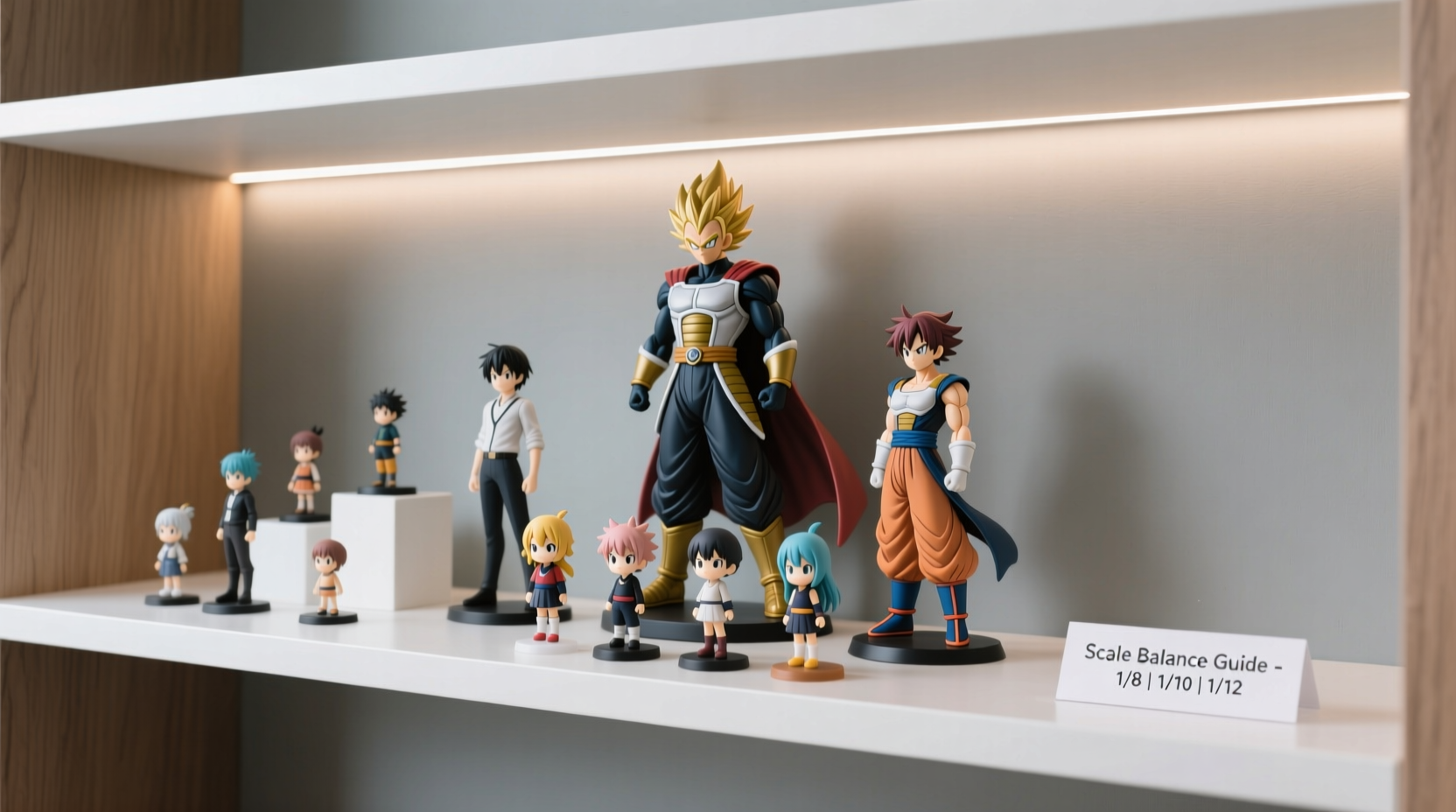
In the world of anime figures, \"scale\" refers to the proportional relationship between the figure and its real-life counterpart. For example, a 1/8 scale figure means the character is represented at one-eighth the size they would be in reality. This system standardizes production and helps collectors anticipate dimensions. Common scales include 1/8, 1/7, 1/6, and non-scaled \"Nendoroid\" or chibi-style figures. While these numbers may seem minor, they result in significant differences in height and presence on a shelf.
A typical 1/8 scale figure stands between 9 to 10 inches (23–25 cm), whereas a 1/6 scale can reach up to 12 inches (30 cm) or more. Smaller scales like 1/12 or Nendoroids range from 3.5 to 5 inches (9–13 cm). These variations affect not only how much space a figure occupies but also how it interacts with others around it. Placing a towering 1/4 scale statue next to a cluster of tiny Nendoroids can disrupt visual flow unless intentionally balanced.
The Role of Scale in Visual Composition
Shelf display is a form of visual storytelling. Just as photographers consider composition, lighting, and subject placement, collectors must think critically about how figures relate to one another. Scale plays a central role in this process by influencing weight, focal points, and rhythm.
Large-scale figures naturally draw attention. They become anchors—pieces around which smaller figures orbit. Without careful planning, however, they can dominate a shelf to the point of overshadowing other favorites. Conversely, an array of small figures might appear delicate or underwhelming if not grouped effectively. The goal is not uniformity, but balance: a mix of sizes that feels intentional rather than accidental.
Consider the concept of \"visual weight.\" A single large figure often carries more visual weight than three smaller ones, even if the combined footprint is similar. This psychological impact affects how viewers perceive density and spacing. Distributing high-weight pieces evenly—or using clusters of smaller figures to counterbalance a larger one—can create equilibrium.
“Scale isn't just about measurement—it's about presence. A well-balanced display respects each figure’s individuality while contributing to a greater whole.” — Hiroshi Tanaka, Display Curator at Tokyo Collectible Gallery
Step-by-Step Guide to Selecting the Right Scale for Your Shelf
Choosing the appropriate scale involves more than preference—it requires assessment of physical space, existing collection, and aesthetic goals. Follow this sequence to make informed decisions:
- Measure your shelf space. Note the width, depth, and available height. Account for any obstructions like lighting fixtures or adjacent furniture.
- Inventory your current figures. Group them by scale and identify dominant sizes. This reveals patterns and potential imbalances.
- Determine your display theme. Are you showcasing characters from one series? A genre (e.g., mecha, magical girls)? Or a mood (dynamic action vs. serene poses)? Theme influences scale consistency.
- Select a primary scale. Most collectors anchor their displays around 1/8 or 1/7 scale due to availability and proportion. Choose one as your default unless your theme demands otherwise.
- Plan accent pieces. Introduce variation with one or two larger (1/6 or 1/4) or smaller (Nendoroid, 1/12) figures to add depth without disrupting cohesion.
- Test arrangements before finalizing. Use cardboard cutouts or placeholders to simulate placements. Step back and view from normal viewing distance.
- Evaluate sightlines. Ensure key details are visible and no figure is obscured by another due to height mismatches.
Do’s and Don’ts: Scale Selection Best Practices
| Do | Don’t |
|---|---|
| Use consistent scale within a character group (e.g., all main cast in 1/8) | Mix too many different scales in a single row without transition elements |
| Place larger figures at ends or center to frame the display | Put oversized figures where they block airflow or require awkward viewing angles |
| Group small figures together to create visual mass | Scatter tiny figures randomly—they risk looking lost or forgotten |
| Use risers or tiered shelves to integrate differing scales seamlessly | Stack figures vertically without structural support—safety first |
| Leave breathing room between figures (at least 1–2 inches) | Crowd shelves to fit “just one more”—clutter diminishes impact |
Real Example: Balancing Scales in a Home Display
Sarah, a collector in Osaka, wanted to showcase her favorite *Demon Slayer* characters on a 48-inch wide bookshelf. Her initial setup included a 1/6 Nezuko (11.8 inches), a 1/8 Tanjiro (9.4 inches), and two Nendoroids of Inosuke and Zenitsu (4.3 inches each). At first glance, Nezuko dominated the left side, while the Nendoroids looked isolated on the right. Tanjiro stood in the middle, but his size didn’t bridge the gap between extremes.
She revised the layout by relocating Nezuko to the far right as a centerpiece, then grouped the two Nendoroids together on the left with a miniature lantern prop. She added a 1/8 scale Kanao figure (9.2 inches) to the center-left, creating a stepped progression in height from left to right. Finally, she placed Tanjiro slightly forward of the others, giving him prominence without competing with Nezuko’s scale. The result was a dynamic yet balanced scene that guided the eye smoothly across the shelf.
This case illustrates how strategic placement—not just selection—can resolve scale disparities. Sarah didn’t change her figures; she changed their context.
Checklist: Optimizing Scale for Shelf Harmony
- ✅ Measure shelf dimensions and note viewing distance
- ✅ Identify your most common figure scale
- ✅ Decide whether to prioritize uniformity or variety
- ✅ Choose 1–2 anchor figures (larger or highly detailed)
- ✅ Plan transitions between scales using grouping or elevation
- ✅ Leave adequate negative space between figures
- ✅ Test layouts with temporary markers before permanent placement
- ✅ Reassess every 3–6 months as your collection grows
Frequently Asked Questions
Can I mix Nendoroids with regular-scale figures?
Yes, but do so intentionally. Place Nendoroids in dedicated zones or pair them with similarly sized items. Avoid placing them directly next to 1/7 or 1/6 figures unless separated by distance or tiered shelving. Using themed dioramas or acrylic display boxes can help integrate them cohesively.
Is 1/8 scale the best choice for beginners?
Generally, yes. The 1/8 scale offers a good balance of detail, size, and availability. It fits comfortably on most standard shelves and pairs well with other popular scales. Many exclusive releases and premium figures are produced in 1/8, making it a practical foundation for growing collections.
How do I handle limited shelf space?
Opt for smaller scales like 1/10 or 1/12, or embrace Nendoroids and Figma figures. Consider vertical solutions such as staggered shelves or rotating display stands. Prioritize quality over quantity—fewer well-chosen pieces often make a stronger impression than a crowded shelf.
Conclusion: Build Displays That Reflect Your Vision
Choosing the right anime figure scale isn’t about following trends—it’s about designing a space that reflects your passion with intention. Whether you prefer the bold presence of large-scale statues or the playful charm of miniatures, harmony comes from thoughtful pairing and spatial awareness. By understanding scale, respecting visual weight, and planning with purpose, you turn a simple shelf into a meaningful exhibit.




 浙公网安备
33010002000092号
浙公网安备
33010002000092号 浙B2-20120091-4
Comments
No comments yet. Why don't you start the discussion?