
When temperatures drop, a reliable long sleeve sweater becomes more than just an outer layer—it’s your personal shield against cold. But not all sweaters are created equal. The warmth you feel depends on a combination of fabric type, fit, construction, and design details. Understanding these factors helps you avoid guesswork and invest in pieces that deliver lasting comfort and performance, whether you're layering for winter hikes or staying cozy at home.
Fabric Matters: What Makes a Sweater Warm?
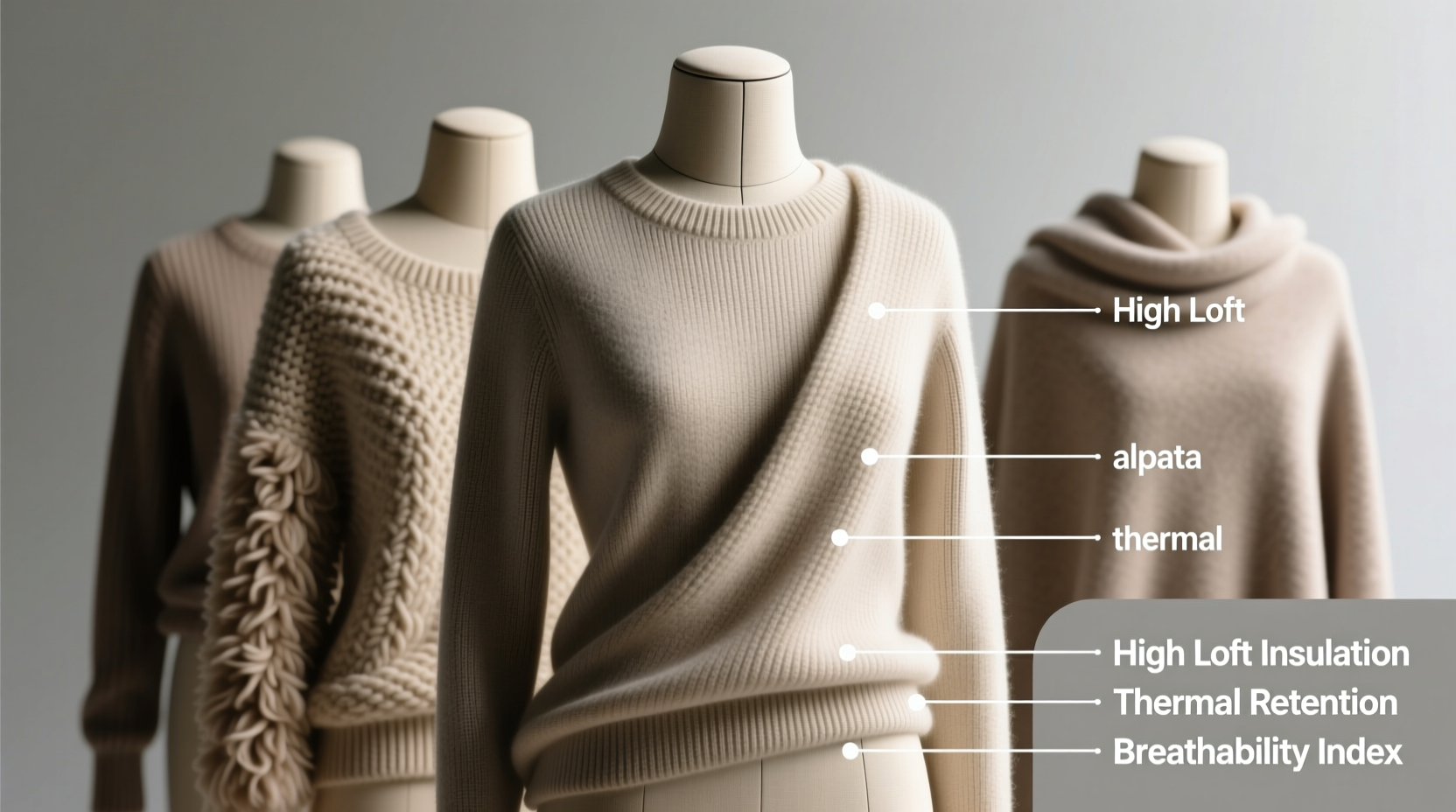
The foundation of any warm sweater is its fabric. Natural fibers generally outperform synthetics in insulation, moisture management, and breathability—but some engineered materials come close under specific conditions. Here’s a breakdown of the most effective options:
- Merino Wool: Fine, soft, and naturally temperature-regulating. Merino traps air efficiently, wicks moisture, and resists odor—making it ideal for both active wear and daily use.
- Cashmere: Luxuriously soft with exceptional warmth-to-weight ratio. However, it’s less durable and requires careful maintenance.
- Lambswool: Sourced from a lamb’s first shearing, it's softer and warmer than regular wool, with excellent loft and resilience.
- Alpaca: Hollow fibers provide superior insulation, even when wet. Alpaca is also hypoallergenic and heavier than wool, offering deep warmth without itchiness.
- Blends (Wool-Polyester or Wool-Nylon): Combine natural warmth with synthetic durability. A 70/30 wool-polyester blend can enhance shape retention while maintaining heat retention.
- Synthetic Fleece (Polyester): Lightweight and quick-drying, but less breathable and prone to pilling. Best for high-movement scenarios rather than sustained static warmth.
“Natural animal fibers like merino and alpaca have evolved to protect animals in extreme climates—that same biological efficiency works for humans.” — Dr. Lena Peterson, Textile Scientist, University of Vermont
Fit That Enhances Warmth
Few people realize that fit directly impacts thermal efficiency. A sweater that’s too loose allows cold air to circulate; one that’s too tight compresses insulating fibers, reducing their ability to trap heat.
Ideal fit depends on intended use:
- Slim Fit: Best as a base or mid-layer. Snug but not restrictive, allowing minimal air gap for efficient heat retention beneath a jacket.
- Regular Fit: Balanced room for movement and insulation. Ideal for standalone wear in cool indoor or urban environments.
- Oversized Fit: Creates a larger air pocket, which can increase warmth—but only if worn over insulating layers. On its own, excess fabric leads to convective heat loss.
Pay attention to ribbed cuffs, hem, and neckline. These act as seals to prevent cold drafts from entering. A high crew neck or turtleneck adds extra protection for the throat and lower face.
Key Features That Boost Performance
Beyond fabric and fit, certain design elements significantly improve a sweater’s effectiveness in cold weather:
- Ribbed Hems and Cuffs: Create a snug seal at wrists, waist, and neck to block wind infiltration.
- Reinforced Elbows or Shoulders: Found in workwear-inspired styles, these add durability without sacrificing warmth.
- Double-Layered Yoke or Back Panel: Adds insulation where the body loses heat fastest—especially useful in outdoor settings.
- Thumbholes: Extend coverage over the back of the hand, preventing sleeve ride-up and adding wind protection.
- Natural Dyes and Minimal Chemicals: Reduce skin irritation and preserve fiber integrity, contributing to longer-lasting warmth.
| Feature | Benefit | Best For |
|---|---|---|
| Turtleneck | Full neck coverage, reduces exposed skin | Cold climates, windy conditions |
| Quarter-Zip | Ventilation control without removing layer | Active use, variable temperatures |
| Brushed Interior | Soft texture increases trapped air volume | Indoor comfort, sensitive skin |
| Pocket Details | Hand warming capability, storage | Casual wear, commuting |
Real-World Example: Choosing for a Winter Commute
Maria lives in Minneapolis, where winter mornings often start below 15°F (-9°C). She walks 15 minutes to the train station each day and needs a sweater that keeps her warm without overheating during her commute.
She initially chose a lightweight cotton-blend pullover. It looked stylish but offered little insulation, especially when wind hit. After researching, she switched to a mid-gauge merino wool quarter-zip with a brushed interior and ribbed cuffs. Worn over a thermal base layer, it maintained core warmth, allowed ventilation via the zip, and didn’t retain odor after days of use. Her comfort improved dramatically—even on snowy mornings.
This case shows how combining smart fabric choice with functional design creates real results.
Step-by-Step Guide: Choosing Your Warmest Sweater
- Determine Your Use Case: Will you be active, sedentary, layering, or wearing it solo? This guides fabric and feature choices.
- Select Primary Fabric: Prioritize merino, alpaca, or lambswool for maximum warmth. Consider blends if durability is a concern.
- Choose the Right Fit: Opt for slim to regular fit if layering; regular to oversized if worn alone. Ensure sleeves reach wrist bone when arms are down.
- Evaluate Construction Details: Check for ribbing, seam reinforcement, and inner texture. Avoid overly loose weaves in freezing conditions.
- Try Before You Buy (or Read Reviews): If shopping online, look for user feedback on warmth, pilling resistance, and shrinkage after washing.
Checklist: Warm Long Sleeve Sweater Buying Guide
- ☐ Made from merino, alpaca, cashmere, or lambswool
- ☐ Mid-to-high gauge knit (not see-through)
- ☐ Ribbed cuffs, hem, and collar
- ☐ Appropriate fit for intended layering
- ☐ Brushed or fleeced interior (optional but beneficial)
- ☐ Functional details like quarter-zip or thumbholes (if needed)
- ☐ Pre-shrunk or known low-shrinkage brand
Frequently Asked Questions
Is cotton warm enough for winter sweaters?
No. Cotton absorbs moisture and loses insulating properties when damp. In cold, wet conditions, it can increase heat loss and create a chilling effect. Avoid cotton as a primary fiber in winter wear.
Can I layer two thin sweaters instead of one thick one?
Yes—and often it’s more effective. Layering creates multiple air pockets, enhancing insulation. A fine merino base with a denser wool mid-layer offers better thermal regulation than a single bulky sweater.
Do heavier sweaters always mean warmer?
Not necessarily. Weight contributes to warmth, but fiber type and structure matter more. A lightweight alpaca sweater can outperform a heavy acrylic one due to superior fiber insulation and breathability.
Conclusion: Make Warmth a Smart Choice
Choosing the warmest long sleeve sweater isn’t about bulk or price—it’s about understanding how materials, fit, and design work together to protect you from the cold. By prioritizing high-performance natural fibers, precise fit, and thoughtful features, you invest in lasting comfort and versatility. Whether braving a winter storm or relaxing by the fire, the right sweater makes all the difference.




 浙公网安备
33010002000092号
浙公网安备
33010002000092号 浙B2-20120091-4
Comments
No comments yet. Why don't you start the discussion?