
Selecting the right pair of high heels can transform an ordinary look into something effortlessly polished. But in a world overflowing with styles, colors, and heel heights, how do you pick shoes that work across seasons, outfits, and occasions? The answer lies in versatility—choosing heels that don’t just look good but function well in real life. A truly versatile heel slips seamlessly from office meetings to evening dinners, from brunch dates to business trips, without sacrificing comfort or style.
The goal isn't to fill your closet with dozens of pairs, each worn once, but to curate a few intelligent choices that serve multiple roles. When done right, these heels become silent allies in your daily confidence, elevating both your posture and your aesthetic—literally and figuratively.
Understand What Makes a Heel Truly Versatile
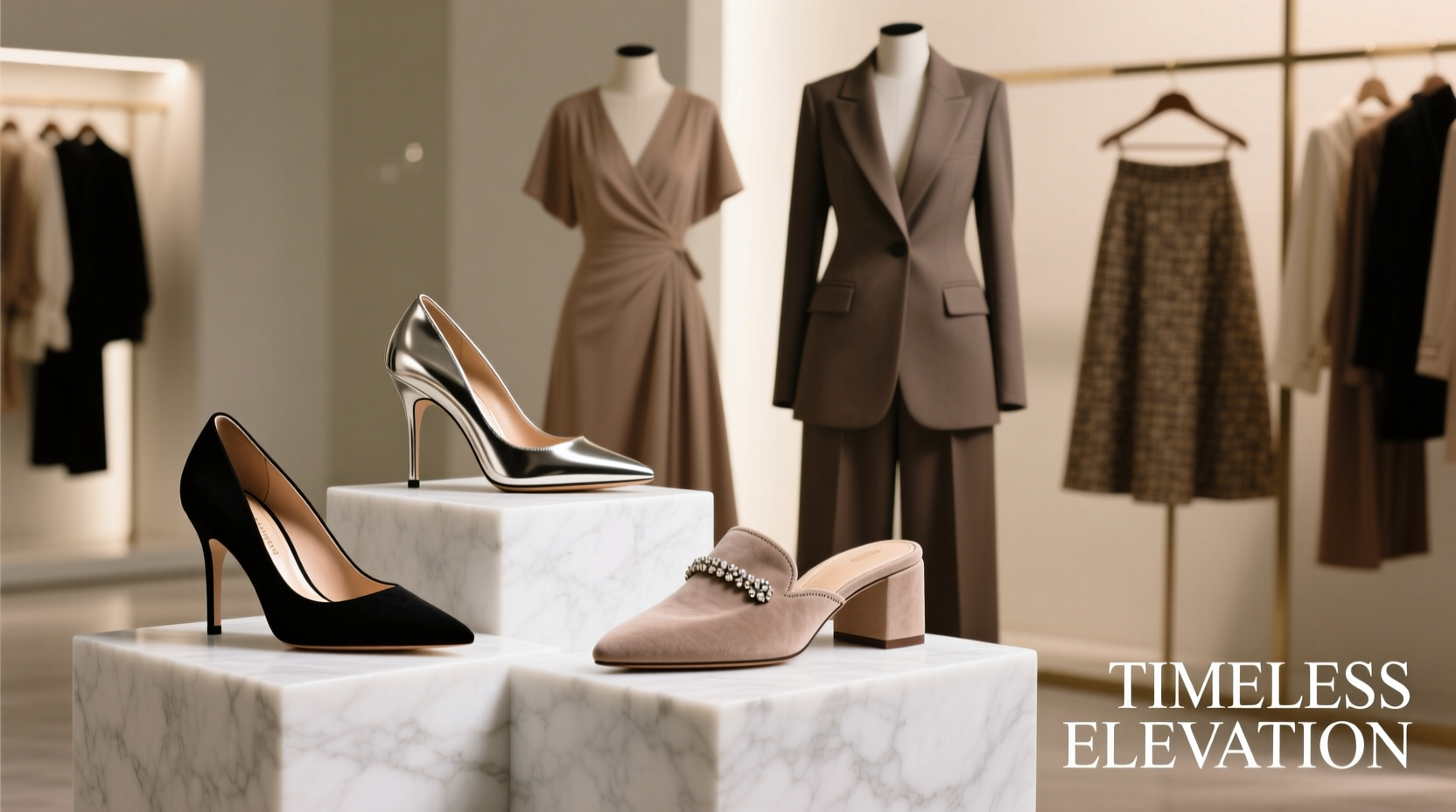
Versatility in footwear goes beyond neutral colors. It’s about proportion, material, structure, and wearability. A shoe might be black and classic, but if it has excessive embellishments or an extreme stiletto height, its usability shrinks dramatically. True versatility means the shoe adapts to your lifestyle—not the other way around.
A versatile heel should meet three core criteria: compatibility, comfort, and timelessness. Compatibility refers to how easily the shoe pairs with different garments—pants, skirts, dresses, jeans. Comfort ensures you can wear it for more than just photos at a wedding. Timelessness means it won’t look outdated in two seasons.
Key Features of a Go-To High Heel
Certain design elements consistently deliver broad functionality. Prioritizing these features helps narrow down options without sacrificing personal taste.
- Moderate heel height (2.5–3.5 inches): This range offers lift without compromising stability. Shoes taller than 4 inches limit mobility and are rarely practical for full-day wear.
- Classic silhouette: Pumps, pointed-toe flats with a slight heel, and block-heel ankle straps tend to transition best between settings.
- Neutral palette: Black, nude (matched to your skin tone), deep burgundy, and dark gray are foundational. These shades blend with nearly any color scheme.
- Minimal detailing: Avoid rhinestones, bows, or dramatic cutouts unless they’re part of a signature style. Simplicity extends wearability.
- Durable materials: Full-grain leather molds to your foot over time and withstands daily use better than patent or synthetic fabrics.
“Timeless design begins with restraint. The most wearable heels aren’t the flashiest—they’re the ones you forget you’re wearing.” — Clara Nguyen, Footwear Designer & Consultant
Choosing the Right Nude: One Shade, Many Roles
Nude heels are often praised as the ultimate wardrobe extender—but only when chosen correctly. A poorly matched nude can shorten the leg or clash with your natural tone. Instead of assuming “nude” means beige, identify the shade that blends with your skin.
For fair complexions, opt for soft pink-beige tones. Medium skin tones benefit from warm sand or almond hues. Deeper complexions shine in rich caramel, espresso, or warm brown shades. When in doubt, hold potential pairs next to your wrist in natural light; the one that visually “disappears” is likely the best match.
Well-matched nude heels create the illusion of continuous leg line, making them ideal under cropped pants, midi skirts, and even tailored shorts. They subtly elongate without drawing attention to the shoe itself—exactly what versatility demands.
Step-by-Step Guide to Building Your Core Heel Collection
You don’t need ten pairs. You need three thoughtfully selected ones. Follow this sequence to build a functional foundation:
- Start with a black closed-toe pump: Choose a pointed or slightly almond toe with a 3-inch heel. Leather is ideal. This is your professional anchor—pair it with suits, sheath dresses, and trousers.
- Add a skin-tone nude heel: Same silhouette as the black pair. Ensures continuity in formal settings while offering visual lengthening under various hems.
- Incorporate a low block-heel ankle strap: Opt for 2–2.5 inches in black or taupe. Provides stability and works equally well with jeans and cocktail dresses.
- Evaluate fit and break-in period: Wear each pair around the house for short intervals. Address discomfort early with cushioned pads or stretching techniques.
- Test across contexts: Wear each to at least three different scenarios—commute, dinner, errands. Note any pain points or styling limitations.
Material Matters: Balancing Style and Longevity
Not all leathers—and not all nudes—are created equal. Understanding material differences prevents costly missteps.
| Material | Best For | Drawbacks | Versatility Score (1–5) |
|---|---|---|---|
| Full-Grain Leather | All-day wear, temperature regulation | Higher initial cost | 5 |
| Suede | Textural contrast, fall/winter | Stains easily, not rain-friendly | 3 |
| Patent Leather | Evening events, bold shine | Limited pairing options, shows scuffs | 2 |
| Vegan Leather | Budget-friendly, ethical choice | Less breathable, prone to cracking | 3 |
| Mesh/Textile Uppers | Summer wear, breathability | Harder to clean, less structured | 3 |
Real-Life Example: How One Pair Transformed a Wardrobe
Sophie, a marketing manager in Chicago, used to own eight pairs of heels but felt underdressed often. She rotated between flashy sandals and sky-high stilettos, neither of which worked for her hybrid workweek. After consulting a stylist, she invested in a single pair: 3-inch black leather pumps with a rounded almond toe.
Within weeks, she wore them with wide-leg slacks and a silk blouse for client calls, paired them with a wrap dress for a rooftop dinner, and even styled them with cropped jeans and a blazer for casual Fridays. That one pair replaced four others. More importantly, she stopped dreading long days on her feet. Her confidence rose—not because the shoes were expensive, but because they were reliable.
This is the power of strategic selection: fewer decisions, greater impact.
Checklist: Is This Heel Worth Adding?
Before purchasing, run through this checklist:
- ✅ Can I walk confidently in this heel for at least 20 minutes?
- ✅ Does it pair with at least three existing items in my wardrobe?
- ✅ Is the color neutral or complementary to my most-worn outfits?
- ✅ Is the material suitable for more than one season?
- ✅ Will I feel comfortable wearing this in a professional setting?
- ✅ Does it have structural support (cushioning, arch alignment)?
- ✅ Can it transition from day to night with minimal styling changes?
Frequently Asked Questions
Can I wear open-toe heels every day?
Open-toe heels can be versatile, especially in warmer climates, but they’re less adaptable year-round. In colder months, they may clash with tights or heavier fabrics. Closed-toe styles generally offer broader utility across seasons and settings.
How many pairs of versatile heels should I own?
Three well-chosen pairs are sufficient for most lifestyles. One formal pump, one nude heel, and one stable mid-height option cover the vast majority of needs. Add a fourth only if your job or lifestyle demands specific variations (e.g., dance events, frequent travel).
Are block heels as stylish as stilettos?
Modern block heels are designed with elegance in mind. Many luxury brands now feature sculpted block heels that offer both stability and sophistication. In fact, their architectural shape often reads as more fashion-forward than traditional stilettos.
Final Thoughts: Invest in Function, Reap the Style Rewards
Choosing versatile high heels isn’t about chasing trends—it’s about mastering the balance between form and function. The most powerful shoes in your closet aren’t the ones that turn heads, but the ones that let you move freely, stand tall, and focus on your day instead of your feet.
Start small. Prioritize quality over quantity. Test each pair against real-life conditions. Over time, you’ll develop an intuitive sense of what works for your body, your schedule, and your aesthetic. And when you find those few perfect pairs, you won’t just look elevated—you’ll feel it.




 浙公网安备
33010002000092号
浙公网安备
33010002000092号 浙B2-20120091-4
Comments
No comments yet. Why don't you start the discussion?