
Beach footwear is no longer limited to flimsy flip-flops or rubber slides. As coastal climates shift and travelers seek year-round seaside getaways, the demand for warm yet stylish beach shoes has surged. Whether you're strolling along a chilly shoreline at sunset, exploring tide pools in the early morning, or transitioning from sand to boardwalk cafes, the right pair of beach shoes can elevate both your comfort and your look. Choosing the ideal option requires understanding materials, construction, fit, and seasonal adaptability — all while keeping fashion in mind.
Understanding the Need for Warm Beach Shoes
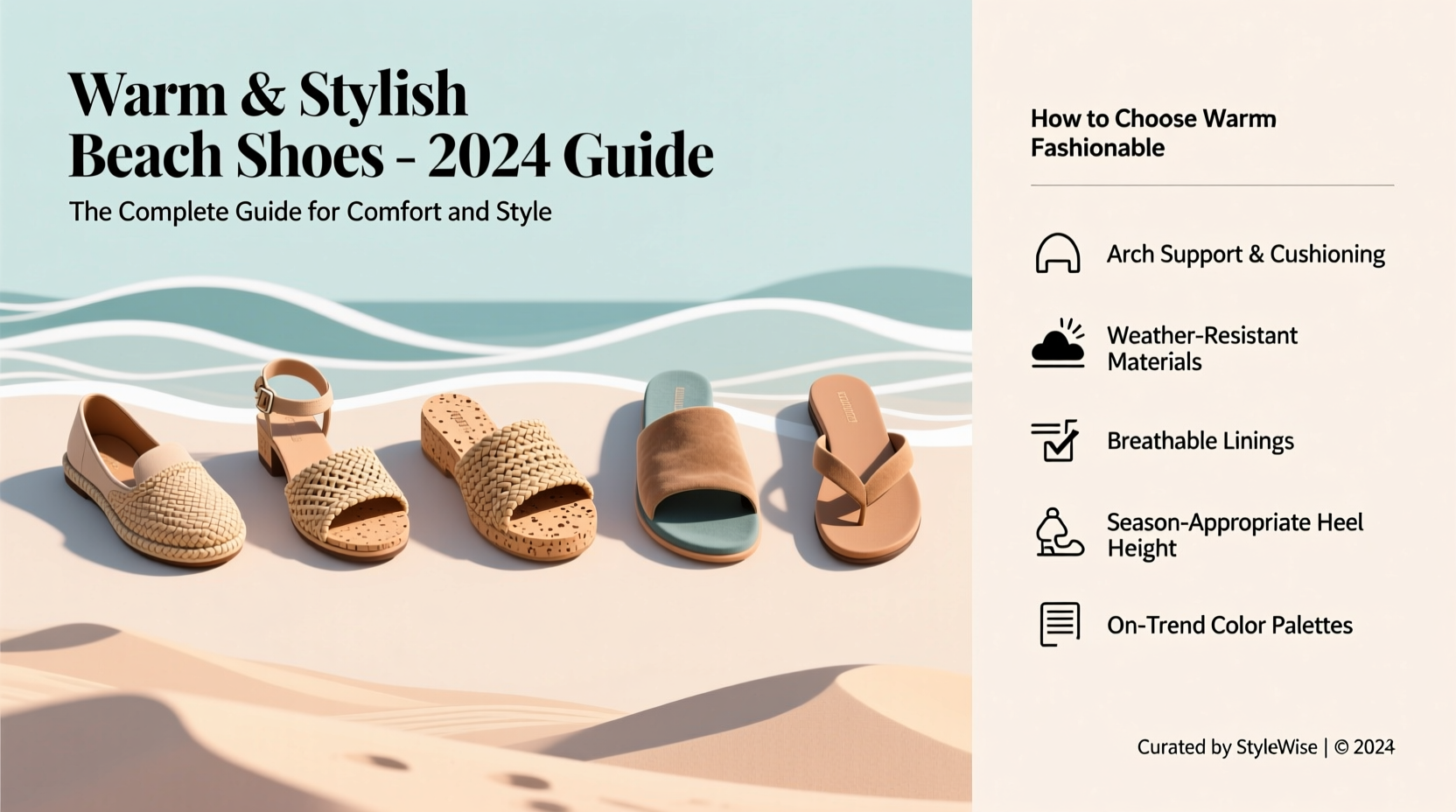
Warm beach shoes are essential when visiting cooler coastal regions, during off-season beach trips, or in the early mornings and evenings when temperatures drop. Unlike traditional open sandals, warm beach footwear offers insulation, moisture-wicking properties, and protection from wind and damp sand without sacrificing breathability.
These shoes bridge the gap between performance and aesthetics. They’re designed to handle wet surfaces, resist saltwater corrosion, dry quickly, and maintain structural integrity over time. More importantly, they allow wearers to stay cozy while still embracing a relaxed seaside aesthetic.
Key Features of Stylish and Comfortable Beach Shoes
Not all beach shoes are created equal. To ensure both warmth and fashion, consider these critical features before purchasing:
- Material Quality: Neoprene, waterproof synthetics, and quick-dry textiles provide insulation and durability.
- Insulation Layering: Built-in thermal linings help trap body heat without adding bulk.
- Drainage & Breathability: Strategically placed vents allow airflow while preventing water retention.
- Non-Slip Soles: Rubber outsoles with deep treads offer grip on slippery rocks, docks, and wet tiles.
- Ease of Wear: Slip-on designs with elastic gussets or adjustable straps enhance convenience.
- UV Resistance: Fabrics treated to resist sun damage maintain color and structure over time.
Design Elements That Elevate Style
Fashion-forward beach shoes now mirror trends seen in urban casual footwear. Think minimalist silhouettes, earth-toned palettes, and subtle branding. Many brands incorporate lifestyle design cues—such as clean stitching, contrast piping, or tonal embroidery—to make their shoes suitable beyond the shoreline.
“Modern beach footwear should transition seamlessly from oceanfront walks to café visits. The best designs blur the line between function and fashion.” — Lena Torres, Footwear Designer at Coastal Thread Co.
How to Match Your Beach Shoes to Your Lifestyle
Your choice of beach footwear should reflect how you use them. Are you lounging by a resort pool? Hiking coastal trails? Or attending a beachside dinner? Each scenario calls for different priorities.
| Lifestyle Use | Recommended Shoe Type | Style Priority | Comfort Feature |
|---|---|---|---|
| Casual beach walks | Insulated slide sandals | Sleek, modern look | Arch support + cushioned footbed |
| Active exploration | Aquatic hiking shoes | Durable, sporty appearance | Secure lacing + rugged sole |
| Social outings | Boat shoe-inspired moccasins | Leather-like finish, neutral tones | Soft lining + low profile |
| Cold climate beaches | Neoprene booties | Functional elegance | Waterproof seal + ankle coverage |
Step-by-Step Guide to Selecting the Perfect Pair
Follow this practical timeline to find beach shoes that deliver on warmth, comfort, and visual appeal.
- Assess Your Climate: Determine average beach temperatures and humidity levels. Cooler environments require closed-toe options with thermal lining.
- Identify Primary Activities: Will you be walking long distances, standing on wet decks, or simply relaxing? This affects sole thickness and support needs.
- Measure Your Feet Accurately: Use a Brannock device or measure at home in the evening (feet expand throughout the day).
- Test Material Performance: Prioritize shoes labeled “quick-dry,” “saltwater-resistant,” or “anti-microbial” for hygiene and longevity.
- Try Before You Buy (If Possible): Walk on a tiled or wet surface to test traction and heel slip.
- Evaluate Aesthetic Versatility: Ask: Can I wear these with linen pants or swim trunks? Do they match multiple outfits?
- Check Care Instructions: Machine-washable options save time; hand-wash models may last longer if maintained properly.
Mini Case Study: Sarah’s Seaside Weekend Escape
Sarah planned a weekend getaway to the Oregon coast in late October—beautiful scenery, but chilly weather averaging 50°F (10°C). She packed her usual flip-flops but quickly realized they offered no warmth after stepping off the pier. Her feet grew numb within minutes.
She visited a local outdoor store and purchased a pair of neoprene-lined aqua booties with non-marking rubber soles. Not only did they keep her feet warm despite frequent contact with seawater, but their streamlined design paired well with cropped jeans and knit sweaters. Over the next two days, she walked rocky shores, dined at waterfront restaurants, and even joined a guided tide-pool tour—all without changing shoes. The booties dried overnight and became her go-to choice for cool-weather beach adventures.
Common Mistakes to Avoid
- Choosing Style Over Function: A beautiful shoe that slips on wet tiles isn’t safe or practical.
- Ignoring Sizing Variations: Brands differ significantly. One brand’s size 8 may feel like another’s 7.5.
- Overlooking Weight: Heavy shoes become burdensome during extended wear.
- Skipping Break-In Periods: Wearing stiff new shoes directly on a long beach walk leads to discomfort.
- Using Cotton-Rich Materials: Cotton absorbs water and loses insulating ability when wet.
Checklist: What to Look for in Warm & Fashionable Beach Shoes
- ✅ Thermal or moisture-wicking inner lining
- ✅ Non-slip, durable outsole
- ✅ Quick-drying upper material (neoprene, EVA, or synthetic mesh)
- ✅ Secure fit (elastic, straps, or laces)
- ✅ Lightweight construction
- ✅ Neutral or versatile color palette
- ✅ Positive user reviews for all-day comfort
- ✅ Easy maintenance (machine washable or wipe-clean)
FAQ
Can I wear warm beach shoes in the summer?
Absolutely. Many insulated styles are designed with breathable panels and moisture management systems, making them suitable for variable conditions. Choose lighter colors to reflect sunlight and prevent overheating.
Are there eco-friendly warm beach shoe options?
Yes. Several brands now use recycled plastics, natural rubber, and plant-based foams in their construction. Look for certifications like Global Recycled Standard (GRS) or B Corp status to verify sustainability claims.
How do I clean and maintain my beach shoes?
Rinse with fresh water after each saltwater exposure. Air dry away from direct heat. For deeper cleaning, use mild soap and a soft brush. Avoid bleach or machine drying, which can degrade adhesives and fabrics.
Final Thoughts: Style Meets Practicality at the Shoreline
The perfect beach shoe doesn’t force you to choose between staying warm and looking good. Today’s market offers intelligent designs that merge technical innovation with contemporary fashion—whether you prefer minimalist slides, rugged aquatic sneakers, or refined boat-style moccasins. By focusing on material quality, proper fit, and real-world usability, you can enjoy coastal experiences in comfort and confidence, regardless of the season.




 浙公网安备
33010002000092号
浙公网安备
33010002000092号 浙B2-20120091-4
Comments
No comments yet. Why don't you start the discussion?