
Cleaning a fabric couch doesn’t require expensive equipment or specialty products. In fact, many of the tools you need are already in your kitchen. Baking soda, white vinegar, liquid dish soap, and even cornstarch can work together to lift stains, neutralize odors, and refresh upholstery—without the need for a steam cleaner. This method is especially valuable for renters, pet owners, or anyone with delicate fabrics that might be damaged by moisture-heavy cleaning techniques. With careful preparation and the right ratios, you can achieve deep-cleaning results using only household staples.
Why Avoid Steam Cleaners? Practical Alternatives Matter
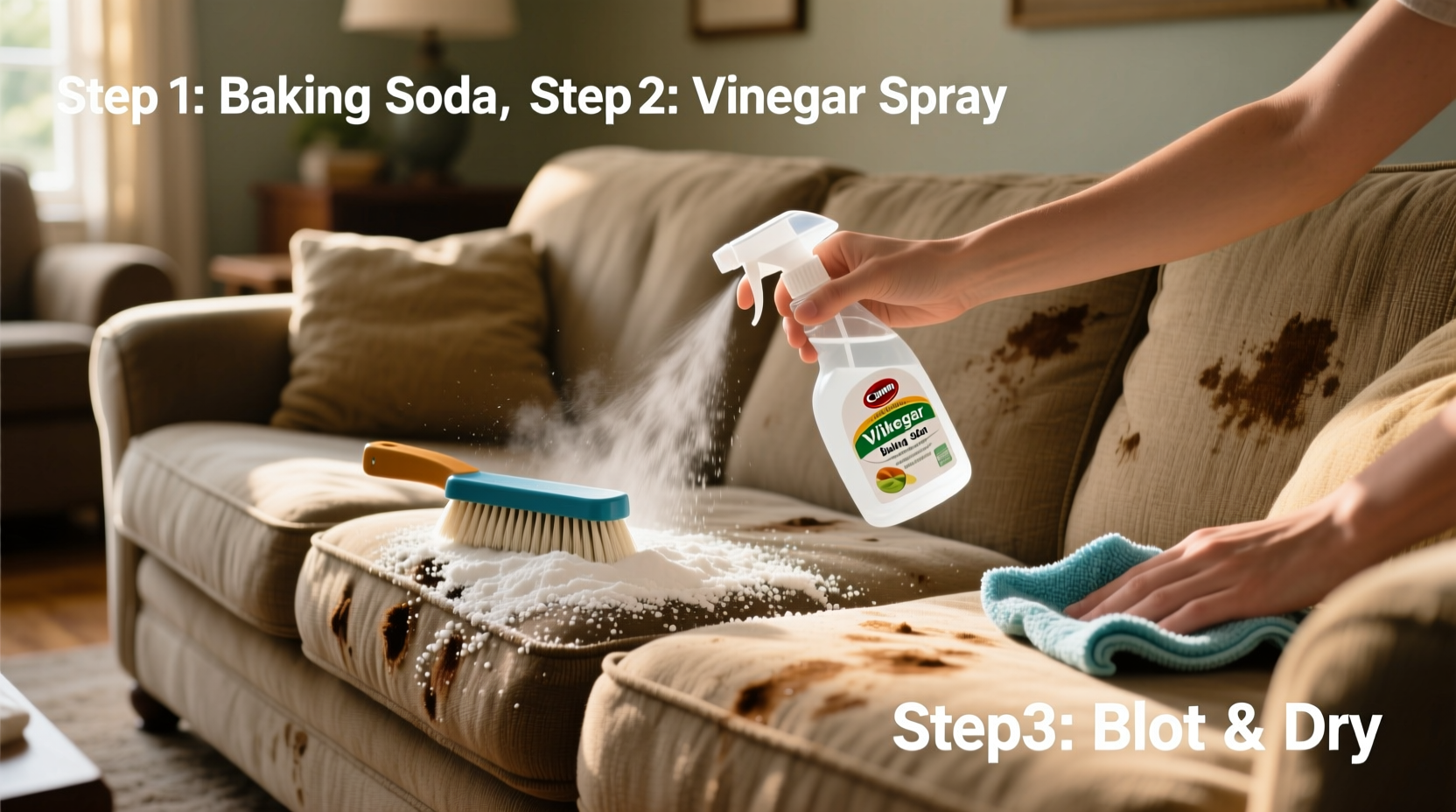
Steam cleaners are often recommended for deep-cleaning upholstery, but they aren't always practical. They can be costly to rent or purchase, difficult to store, and potentially damaging to certain fabrics if overused. Excessive moisture can lead to mold growth inside cushioning layers, especially if the couch doesn’t dry completely within 24 hours. Additionally, some fabric manufacturers explicitly warn against steam cleaning, as it may void warranties or cause shrinkage.
This makes alternative methods not just convenient—but sometimes necessary. Using pantry staples allows for spot treatment, odor control, and surface-level deep cleaning with minimal risk. These ingredients are also non-toxic, biodegradable, and safe around children and pets when used properly. For light to moderate soiling, this approach delivers visible improvements without introducing harsh chemicals into your home environment.
The Power of Pantry Staples: What You’ll Use and Why
The effectiveness of this method lies in combining simple ingredients that each serve a specific purpose. Here’s how common pantry items contribute to upholstery care:
- Baking Soda – A natural deodorizer and mild abrasive. It absorbs trapped odors from sweat, food spills, and pets, and gently lifts surface grime when mixed with liquid.
- White Vinegar – An acidic cleaner that breaks down organic residues like coffee, juice, or food stains. Its antimicrobial properties help eliminate bacteria and mold spores.
- Liquid Dish Soap (clear, fragrance-free) – Designed to cut grease, it works well on oily stains from hands, hair products, or food without leaving heavy residue.
- Cornstarch – Useful for absorbing fresh oil-based spills such as butter, makeup, or lotion before they set.
- Hydrogen Peroxide (3%) – Optional for tough organic stains (like blood or wine), but should only be used on colorfast fabrics after testing.
Together, these ingredients create a low-cost, high-efficiency cleaning system that mimics professional-grade formulas—without the environmental impact or financial burden.
Step-by-Step Guide: Deep Cleaning Your Fabric Couch Without a Steam Cleaner
Follow this detailed process to safely and effectively clean your fabric couch using only pantry staples. Allow 2–3 hours total time, including drying.
- Vacuum Thoroughly
Use the upholstery attachment on your vacuum to remove loose dirt, crumbs, pet hair, and dust. Pay special attention to crevices between cushions and along base skirts. This prevents grinding debris deeper during wet cleaning. - Treat Fresh Stains Immediately
For recent spills (within 24 hours), blot with a clean microfiber cloth. Do not rub. Sprinkle cornstarch or baking soda on oil-based spots to absorb grease. Let sit 15 minutes, then vacuum. - Deodorize with Baking Soda
Generously sprinkle baking soda over the entire surface. Work it lightly into the fabric with a soft brush. Focus on high-use areas like seat cushions and armrests. Let sit for at least 30 minutes (or overnight for strong odors). Vacuum thoroughly afterward. - Prepare the Cleaning Solution
Mix in a spray bottle:
- 1 cup warm water
- ¼ cup white vinegar
- 1 tablespoon clear liquid dish soap
- Spot-Clean Section by Section
Spray the solution lightly on a small area (about 1 square foot). Never soak the fabric. Use a soft-bristled brush or sponge to gently agitate in circular motions. Wipe with a damp, clean cloth to rinse. Repeat until the cloth comes away clean. - Dry Completely
Speed up drying with fans or open windows. Place towels over damp areas to wick moisture. Full drying typically takes 4–8 hours. Do not sit on the couch until fully dry to prevent water marks or mildew. - Final Refresh
Once dry, lightly re-vacuum to restore fabric texture and remove any remaining powder residue.
Do’s and Don’ts When Cleaning Upholstery Naturally
| Do’s | Don’ts |
|---|---|
| Test solutions on hidden seams first | Use bleach or ammonia-based cleaners |
| Blot stains—don’t scrub aggressively | Soak the fabric deeply |
| Use microfiber cloths to avoid lint | Mix vinegar with hydrogen peroxide directly (creates corrosive acid) |
| Clean in sections to manage moisture | Ignore manufacturer’s care labels |
| Allow full air-drying before reuse | Apply heat (like a hair dryer) which can set stains |
“Natural cleaning agents like vinegar and baking soda are excellent for routine maintenance, but understanding fabric type is key. Cotton and synthetic blends respond well, while silk or velvet require gentler handling.” — Dr. Lena Torres, Textile Care Specialist, Home Wellness Institute
Real Example: Reviving a Pet-Friendly Living Room Sofa
Sarah, a dog owner in Portland, noticed her beige microfiber couch developing persistent odors and visible paw prints after two years of daily use. She avoided steam cleaning due to concerns about lingering moisture attracting more odor. Instead, she used this pantry-based method.
She started by vacuuming pet hair and sprinkling baking soda across all seating areas, letting it sit overnight. The next morning, she vacuumed again. For stained zones near the arms, she applied the vinegar-dish soap solution with a soft sponge, working in small circles. After wiping with a damp cloth and placing folded towels over damp spots, she ran a fan for six hours.
The result? No lingering smell, visibly cleaner fabric, and no damage to the upholstery. Sarah now repeats the process every three months and keeps a dedicated spray bottle labeled “Couch Cleaner” in her cleaning cabinet.
Checklist: How to Clean a Fabric Couch Using Pantry Staples
- ☐ Check the manufacturer’s care label (look for “W,” “S,” or “WS” codes)
- ☐ Vacuum the entire couch, including under cushions
- ☐ Blot any fresh stains immediately with a dry cloth
- ☐ Apply cornstarch to oily spots and let sit 15 minutes, then vacuum
- ☐ Sprinkle baking soda generously and let sit 30+ minutes
- ☐ Vacuum baking soda thoroughly
- ☐ Mix cleaning solution: 1 cup water, ¼ cup vinegar, 1 tbsp dish soap
- ☐ Test solution on an inconspicuous area
- ☐ Lightly spray and clean one section at a time
- ☐ Wipe with a clean, damp cloth to remove soap
- ☐ Place dry towels over cleaned areas to absorb moisture
- ☐ Use fans or open windows to accelerate drying
- ☐ Final vacuum once completely dry
Frequently Asked Questions
Can I use apple cider vinegar instead of white vinegar?
It's best to use distilled white vinegar. Apple cider vinegar contains pigments and sugars that may stain or leave residue on light-colored fabrics. Stick with clear, unscented white vinegar for reliable results.
Will the vinegar smell linger after cleaning?
No—the sharp odor dissipates completely as the fabric dries. In fact, once evaporated, vinegar leaves no scent behind, only cleanliness. If sensitive to smells, increase ventilation or add a few drops of essential oil (like lavender or tea tree) to the spray bottle—though test first for staining.
How often should I deep-clean my fabric couch?
Every 3 to 6 months for regular maintenance. High-use households with kids or pets may benefit from quarterly cleaning. Light surface vacuuming and spot treatment can be done monthly to extend freshness.
Conclusion: Simple Ingredients, Lasting Results
You don’t need specialized machinery to keep your fabric couch looking and smelling fresh. With baking soda, vinegar, and dish soap—all staples found in most kitchens—you can perform a thorough, safe, and effective cleaning that rivals professional services. The method is gentle on fabrics, kind to the environment, and easy on your budget. By following proper technique and allowing ample drying time, you protect your investment and maintain a healthier living space.




 浙公网安备
33010002000092号
浙公网安备
33010002000092号 浙B2-20120091-4
Comments
No comments yet. Why don't you start the discussion?