
Silicone phone cases are popular for their flexibility, grip, and shock absorption. However, one common frustration users face is discoloration—especially a yellowish tint that develops over time. This isn’t just unattractive; it can signal degradation of the material due to environmental exposure or improper care. The good news: with the right cleaning techniques and maintenance habits, you can keep your silicone case looking clear and fresh for months, even years.
Yellowing occurs due to oxidation, UV exposure, heat, oils from skin, and chemical reactions with certain cleaning agents. While some discoloration is inevitable over long periods, much of it can be prevented—or reversed—with proper care. This guide provides a detailed breakdown of safe, effective ways to clean your silicone case without accelerating yellowing, along with strategies to extend its lifespan.
Why Silicone Cases Turn Yellow
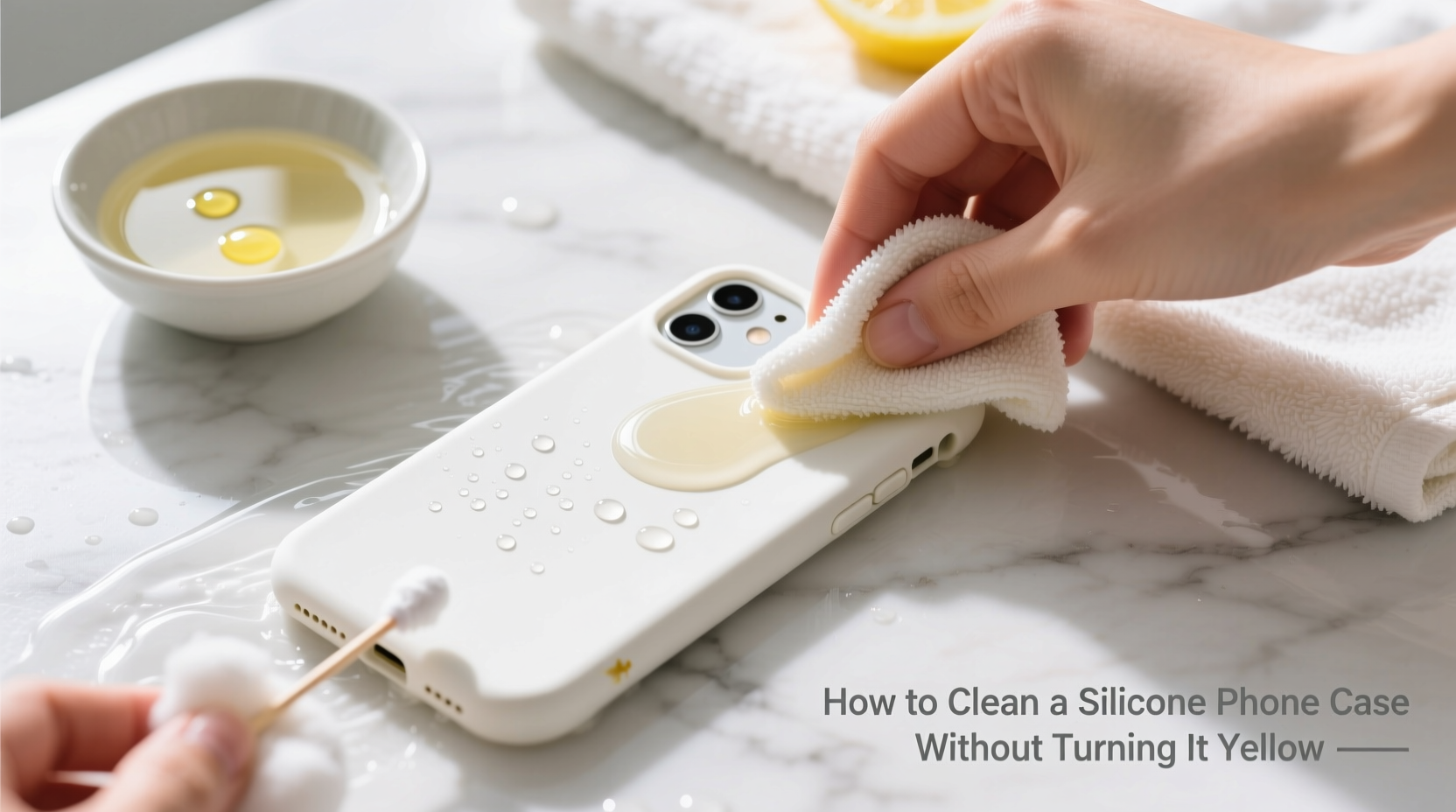
Silicone itself is a stable synthetic polymer, but not all silicone cases are created equal. Many consumer-grade cases use soft-touch TPU (thermoplastic polyurethane) blended with silicone, which is more prone to yellowing than pure platinum-cure silicone. Understanding the causes helps in preventing them:
- UV Exposure: Sunlight triggers photo-oxidative degradation, breaking down polymers and causing yellowing.
- Heat and Humidity: High temperatures accelerate chemical breakdown, especially when combined with moisture.
- Oils and Residue: Skin oils, lotions, and dirt accumulate in microscopic pores, creating a breeding ground for bacteria and staining.
- Poor-Quality Materials: Low-cost cases often contain plasticizers and fillers that degrade faster.
- Chemical Exposure: Harsh cleaners like bleach, alcohol-based wipes, or acetone break down protective coatings and cause cloudiness or discoloration.
“Many people unknowingly speed up yellowing by using disinfectant wipes daily. While they kill germs, they strip protective layers and degrade softer plastics.” — Dr. Lena Torres, Polymer Materials Scientist
Safe Cleaning Methods That Prevent Yellowing
Cleaning your silicone case doesn’t require aggressive chemicals. In fact, gentle, consistent care yields better long-term results. Here’s how to do it safely:
Step-by-Step Guide: Weekly Maintenance Routine
- Remove the Case: Take it off your phone to ensure thorough cleaning.
- Rinse Under Lukewarm Water: Use a gentle stream to wash away loose debris.
- Use Mild Soap: Apply a drop of dish soap (like Dawn or Seventh Generation) to a soft sponge or microfiber cloth.
- Scrub Gently: Focus on corners and edges where grime collects. Don’t use abrasive pads.
- Rinse Thoroughly: Ensure no soap residue remains, as this can attract dirt.
- Air Dry Completely: Place on a lint-free towel away from direct light or heat sources.
This method removes daily buildup without stressing the material. Perform it weekly if you carry your phone frequently.
Deep Cleaning for Slightly Discolored Cases
If your case has begun to yellow but isn’t severely degraded, try this natural restoration technique:
- Mix one part hydrogen peroxide (3%) with two parts water in a container.
- Add a teaspoon of oxygen-based laundry booster (e.g., OxiClean) — avoid chlorine bleach.
- Submerge the case for 1–2 hours in a sealed container, kept in indirect sunlight or under a UV-free lamp.
- Rinse thoroughly and dry flat.
The hydrogen peroxide acts as a mild oxidizing agent that reverses early-stage yellowing without damaging the silicone structure. Do not exceed 2 hours of soaking, and never use high-concentration peroxide.
Do’s and Don’ts of Silicone Case Care
| Do’s | Don’ts |
|---|---|
| Wash weekly with mild soap and water | Use alcohol wipes or hand sanitizer regularly |
| Dry flat in shaded area | Leave in direct sunlight or hot environments |
| Rotate between multiple cases | Use abrasive scrubbers or steel wool |
| Store in cool, dark drawer when not in use | Soak in bleach or vinegar solutions |
| Apply a small amount of silica gel packet nearby to absorb moisture | Expose to perfumes, sunscreen, or hair products |
Following these guidelines preserves both appearance and structural integrity. Prevention is far more effective than trying to reverse advanced yellowing.
Real-Life Example: Recovering a Discolored Case
Consider Sarah, a graphic designer who uses her phone constantly throughout the day. After four months, her once-clear silicone case developed a noticeable yellow tint around the camera cutout and along the sides. She had been wiping it daily with alcohol-based sanitizing wipes, thinking she was keeping it germ-free.
After reading about material degradation, she switched tactics. She stopped using alcohol entirely, began weekly hand-washing with baby soap, and started storing her phone in a drawer at night instead of on her sunny desk. For deep cleaning, she soaked the case in a hydrogen peroxide solution for 90 minutes.
Within a week, the yellowing faded significantly. While not perfectly clear, the case looked noticeably better and stopped deteriorating. She now rotates between two cases and reports both staying cleaner longer.
Sarah’s experience illustrates how everyday habits—often well-intentioned—can harm materials over time. A few simple changes made a measurable difference.
Choosing a Longer-Lasting Silicone Case
Not all cases are equally resistant to yellowing. When purchasing a new one, consider these factors:
- Material Quality: Look for “platinum-cure silicone” or “medical-grade silicone,” which resist oxidation better than standard TPU blends.
- Brand Reputation: Trusted brands like Spigen, OtterBox, and UAG often use higher-quality materials and publish durability tests.
- Transparency: Clear cases show yellowing earliest, making them ideal for testing longevity. If a brand offers a lifetime clarity guarantee, it likely uses superior formulations.
- Coatings: Some cases feature anti-yellowing nano-coatings. These aren’t permanent but can delay discoloration by several months.
Price isn’t always an indicator of quality, but extremely cheap cases (<$10) are more likely to degrade quickly due to filler materials. Investing in a $20–$30 case from a reputable brand often pays off in longevity.
Frequently Asked Questions
Can I use baking soda to clean my silicone case?
Yes, but sparingly. Mix a small amount of baking soda with water to form a paste, then gently rub with a soft cloth. Rinse immediately. Avoid frequent use, as baking soda is mildly abrasive and may scratch matte finishes over time.
Is it safe to put a silicone case in the dishwasher?
No. Dishwashers expose the case to high heat, harsh detergents, and mechanical agitation—all of which accelerate yellowing and warping. Hand washing is always safer and more effective.
How often should I replace my silicone case?
Every 6–12 months under normal use. Signs it’s time to replace include persistent stickiness, strong odors, visible cracks, or irreversible yellowing. Regular inspection helps maintain hygiene and protection.
Expert-Backed Checklist for Long-Term Care
- Weekly:
- Wash with mild soap and lukewarm water. Dry completely before reattaching.
- Monthly:
- Inspect for texture changes or odor. Deep clean using hydrogen peroxide solution if needed.
- Seasonally:
- Evaluate condition. Replace if yellowing is widespread or surface feels tacky.
- Daily Habits:
- Avoid contact with lotions, makeup, and cleaning sprays. Store phone in shade when possible.
- Storage Tips:
- Keep spare cases in a sealed container with a silica gel pack to reduce humidity exposure.
Final Thoughts: Preservation Over Restoration
Cleaning a silicone phone case is simple, but preserving its original appearance requires consistency and awareness. The key insight is this: most damage happens gradually, through repeated exposure to avoidable stressors. By adjusting small habits—like switching from alcohol wipes to soap and water—you dramatically slow the aging process.
While no silicone case lasts forever, thoughtful care ensures it performs well and looks good throughout its life. And when the time comes to replace it, you’ll know exactly what features to look for in a more durable model.
“The best way to prevent yellowing is not a miracle cleaner—it’s routine, gentle maintenance and minimizing environmental stress.” — Dr. Alan Zhou, Materials Degradation Researcher, MIT




 浙公网安备
33010002000092号
浙公网安备
33010002000092号 浙B2-20120091-4
Comments
No comments yet. Why don't you start the discussion?