
Oven racks endure constant exposure to grease, food spills, and high heat. Over time, they accumulate layers of baked-on grime that can be both unsightly and difficult to remove. Traditional cleaning often involves aggressive scrubbing with steel wool or harsh chemical cleaners—methods that are not only labor-intensive but can also damage the rack’s finish or expose you to toxic fumes. Fortunately, there’s a better way. Using common household ingredients like baking soda, white vinegar, and dish soap, you can restore your oven racks to near-new condition without lifting a sponge.
This guide walks through proven, no-scrub techniques that rely on natural chemistry and passive soaking power. Whether your racks are coated in carbonized grease or just need a refresh, these methods work effectively and safely. No special tools, no elbow grease—just time and a few pantry staples.
The Science Behind No-Scrub Cleaning
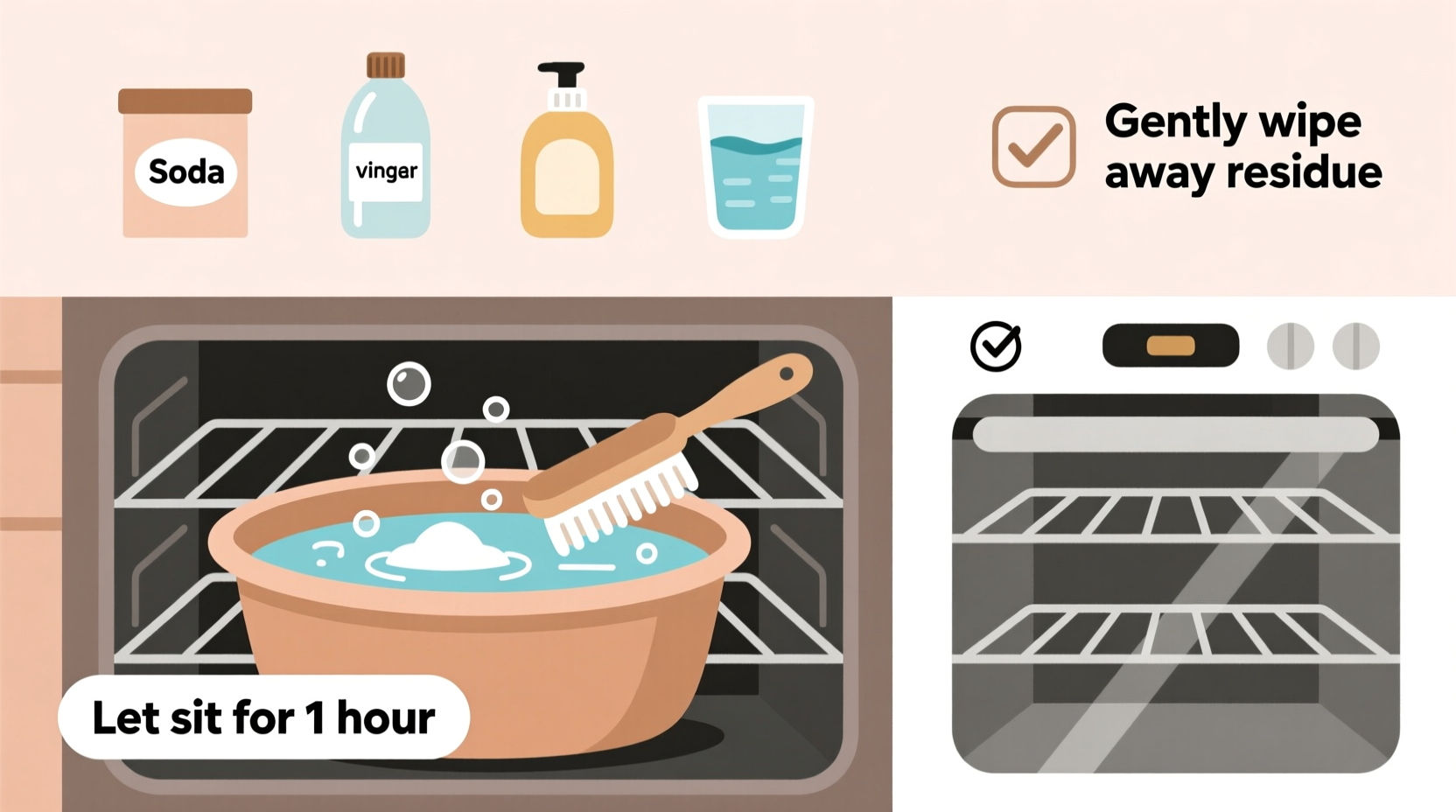
Cleaning without scrubbing relies on breaking down the molecular bonds that hold grease and carbon deposits to metal surfaces. The key is using alkaline and acidic agents that react with the residue, loosening it so it can be rinsed away effortlessly.
Baking soda (sodium bicarbonate) is mildly alkaline and acts as a gentle abrasive when suspended in liquid, but more importantly, it helps emulsify fats and neutralize odors. When combined with an acid like white vinegar (acetic acid), a bubbling reaction occurs that helps lift stuck-on debris. Dish soap contains surfactants that reduce surface tension, allowing water to penetrate and surround grease particles, making them easier to rinse off.
These ingredients, used strategically, create a cleaning solution that works over time—without requiring physical abrasion. The longer the soak, the deeper the penetration, and the less effort needed at the end.
Method 1: Baking Soda and Vinegar Soak
This method uses the classic combination of baking soda and vinegar in a two-step process designed to maximize chemical action while minimizing effort.
- Remove the oven racks and place them in a large plastic bag or bathtub. If using a bag, choose a heavy-duty garbage bag rated for 30+ gallons.
- Sprinkle a generous amount of baking soda (about ½ cup per rack) directly onto the surface of the racks, focusing on heavily soiled areas.
- Pour white vinegar over the baking soda. You’ll see immediate fizzing—this reaction helps break up grease and carbon buildup.
- Let it sit for 15–20 minutes to allow the initial reaction to do its work.
- Add enough hot water to fully submerge the racks if using a tub, or seal the bag carefully, ensuring all parts are coated. If using a bag, lay it flat on the ground and press out air before sealing.
- Let the racks soak for 8–12 hours, preferably overnight.
- In the morning, drain the liquid and rinse the racks thoroughly with warm water. Most grime will fall off on its own. Use a soft cloth only if needed to wipe away any residual film.
- Dry completely before reinstalling.
This method is particularly effective for moderate to heavy buildup. The extended soak time allows the solution to penetrate deep into crevices where scrubbing often fails.
Method 2: Dish Soap and Ammonia (Ventilated Method)
For extremely stubborn, tar-like residues, a stronger soak may be necessary. This technique uses ammonia, which is powerful but must be handled with care due to its fumes.
“Ammonia is excellent for dissolving organic residues like grease and burnt sugars. When contained properly, it’s safe and highly effective.” — Dr. Linda Chen, Environmental Chemist
Important: Never mix ammonia with bleach or products containing chlorine, as this creates toxic gas. Always use in a well-ventilated area and wear gloves.
- Place oven racks inside a large plastic trash bag.
- Add 1 cup of household ammonia.
- Squirt in ¼ cup of blue Dawn dish soap (or similar degreasing formula).
- Seal the bag tightly, removing as much air as possible.
- Let sit overnight (8–12 hours) in a cool, outdoor area like a garage or porch. Avoid direct sunlight, which can degrade plastic bags.
- The next day, open the bag outdoors or under a vented hood to avoid inhaling fumes.
- Rinse racks thoroughly with warm water. The grease should slide right off.
- Dry completely before replacing.
This method is ideal for self-cleaning ovens that have been neglected or racks that haven’t been cleaned in years. The dish soap helps suspend the dissolved grease, preventing redeposition.
Method 3: Citric Acid or Lemon Juice Alternative
If you prefer to avoid ammonia or have sensitivities to strong smells, citric acid or lemon juice offers a natural alternative with mild acidic properties that cut through grease.
- Fill a bathtub or large container with hot water.
- Add 1 cup of citric acid powder (available in canning sections) or the juice of 4–6 lemons.
- Add 2 tablespoons of dish soap to enhance degreasing.
- Submerge the oven racks and let soak for 6–10 hours.
- Rinse and dry.
Lemon juice also has a slight bleaching effect, which can help restore the shine to stainless steel racks. However, it’s less effective on thick carbon deposits than vinegar or ammonia, so it's best suited for routine maintenance rather than deep restoration.
Step-by-Step Timeline for Best Results
To help you plan your cleaning session, here’s a practical timeline using the baking soda and vinegar method:
| Time | Action | Notes |
|---|---|---|
| 6:00 PM | Remove racks, apply baking soda, add vinegar, begin soak | Use sealed bag or tub; ensure full coverage |
| 6:20 PM | Check seal, adjust position if needed | Prevent leaks or dry spots |
| 7:00 PM – Next Day 8:00 AM | Soak duration (14 hours total) | No action required—passive cleaning in progress |
| 8:00 AM | Drain solution, rinse racks | Gently shake off debris; minimal wiping needed |
| 8:15 AM | Dry and reinstall | Ensure complete dryness to prevent rust |
This schedule fits easily into an evening routine and requires only 20 minutes of active effort spread across two days.
Do’s and Don’ts of Oven Rack Cleaning
Avoid common pitfalls by following this simple comparison chart:
| Do’s | Don’ts |
|---|---|
| Use heavy-duty trash bags for containment | Use thin grocery bags—they’ll leak |
| Soak overnight for maximum effectiveness | Rush the process—short soaks require scrubbing |
| Wear rubber gloves to protect skin | Handle ammonia or vinegar with bare hands |
| Dry racks completely before reinserting | Reinstall damp racks—can cause rust or odors |
| Clean racks every 3–6 months | Wait until they’re caked with grime |
Mini Case Study: Reviving a Neglected Oven
Sarah, a busy mother of three in Portland, hadn’t cleaned her oven racks in over two years. Her self-cleaning cycle left behind a sticky, black residue that made cooking unpleasant. She tried scrubbing with a scouring pad and commercial cleaner, but the grime remained and the fumes irritated her asthma.
She decided to try the baking soda and vinegar bag method. After placing the racks in a 32-gallon contractor bag with ½ cup baking soda, 1 cup vinegar, and hot water, she sealed it and left it in her garage overnight. The next morning, she opened the bag to find most of the grease had liquefied and rinsed away with a garden hose. A quick wipe removed minor streaks. “I couldn’t believe it,” she said. “No scrubbing, no smell, and they looked almost new.”
Now, she cleans her racks every four months using the same method and keeps the oven interior fresh with monthly baking soda wipes.
Frequently Asked Questions
Can I clean oven racks in the dishwasher?
While some people attempt this, it’s not recommended. Oven racks are large and can block spray arms, reducing cleaning efficiency. Additionally, the high heat and detergents may damage coatings or cause discoloration over time. Soaking methods are safer and more effective.
Are these methods safe for porcelain-coated or stainless steel racks?
Yes. Baking soda, vinegar, dish soap, and citric acid are non-corrosive and safe for both porcelain-coated and stainless steel finishes when used as directed. Avoid prolonged exposure to ammonia with porcelain-coated racks—limit soak time to 8 hours max to prevent coating degradation.
What if the grime doesn’t come off after one soak?
If residue remains, repeat the process. Some older ovens accumulate decades of buildup that require multiple treatments. Alternatively, extend the soak time to 24 hours for severely caked racks. Do not resort to steel wool, as it can scratch protective layers and lead to faster re-soiling.
Checklist: No-Scrub Oven Rack Cleaning
Follow this step-by-step checklist to ensure success:
- ☐ Remove oven racks from appliance
- ☐ Choose cleaning method based on soil level and available ingredients
- ☐ Prepare container or heavy-duty plastic bag
- ☐ Apply baking soda or pour cleaning solution
- ☐ Add vinegar, ammonia, or citric acid as needed
- ☐ Seal bag or cover tub to prevent evaporation
- ☐ Soak for 8–12 hours (overnight preferred)
- ☐ Rinse thoroughly with warm water
- ☐ Dry completely with a microfiber towel
- ☐ Reinstall in oven and test alignment
Completing this checklist ensures a thorough, stress-free cleaning experience with professional-level results.
Conclusion: Clean Smarter, Not Harder
Cleaning oven racks doesn’t have to mean sore arms and chemical fumes. With simple ingredients already in your home, you can dissolve years of buildup using time instead of muscle. The methods outlined here—baking soda and vinegar, dish soap and ammonia, or citric acid soaks—are proven, accessible, and remarkably effective.
By adopting a regular maintenance schedule and avoiding harsh scrubbing, you preserve the integrity of your oven racks and extend their lifespan. More importantly, you reclaim your time and eliminate exposure to harmful substances.




 浙公网安备
33010002000092号
浙公网安备
33010002000092号 浙B2-20120091-4
Comments
No comments yet. Why don't you start the discussion?