
Bringing home a real Christmas tree is a cherished tradition. The scent of fresh pine, the ritual of decorating, and the warmth it brings to your living room are unmatched. But there’s one downside many don’t anticipate: sticky pine sap clinging stubbornly to your hands. Whether you’ve hauled the tree through snow, wrestled it into a stand, or trimmed low-hanging branches, sap inevitably finds its way onto your skin. Unlike dirt or grease, pine resin doesn’t wash off with soap and water. It clings, hardens, and can linger for days if not treated properly.
The good news? You don’t need industrial solvents or expensive products to get rid of it. With household items and a bit of patience, you can safely and effectively remove pine sap from your hands without damaging your skin. This guide walks you through proven techniques, explains why some methods work better than others, and shares practical tips to prevent future messes.
Why Pine Sap Is So Stubborn
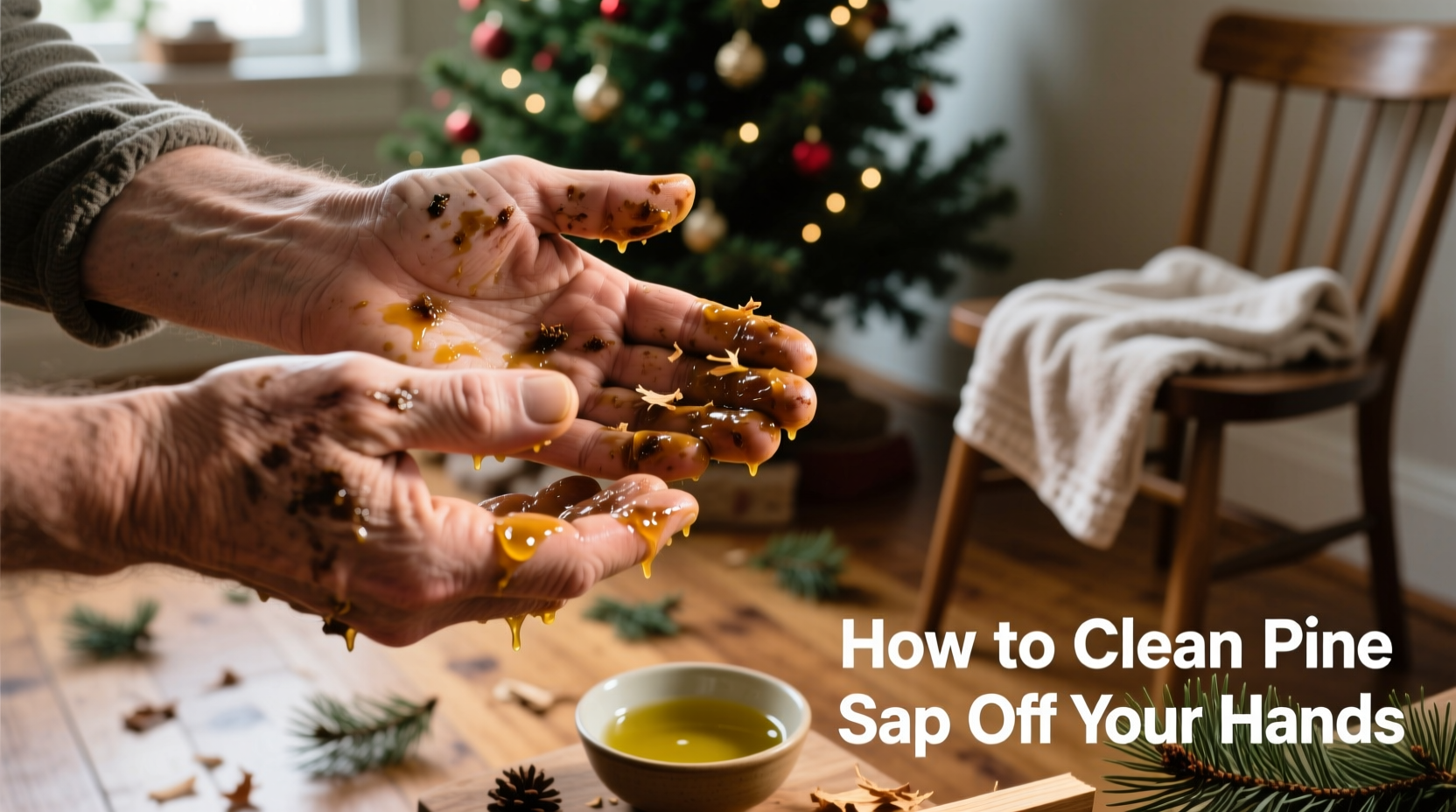
Pine sap is a natural resin produced by coniferous trees as a defense mechanism. When a tree is cut, bent, or damaged—like during transport or trimming—it releases this thick, sticky substance to seal wounds and prevent infection. Chemically, pine sap is composed of terpenes and rosin acids, making it both adhesive and water-resistant. That’s great for the tree, but problematic for human skin.
Unlike oil-based stains, pine sap doesn’t dissolve in water. It also resists most soaps because surfactants in typical hand washes aren’t formulated to break down complex organic polymers. Worse, as it dries, sap hardens and bonds tightly to the outer layer of dead skin cells, making mechanical removal difficult without causing irritation.
Attempting to peel or scrub it off dry only worsens the situation, potentially leading to micro-tears, redness, or even minor infections. The key is using agents that disrupt the molecular structure of the resin—specifically, oils, alcohols, or solvents that dissolve the terpenes—followed by gentle exfoliation and moisturizing.
Step-by-Step Guide to Removing Pine Sap from Hands
Removing pine sap requires more than a quick rinse. Follow this structured approach to ensure complete removal while protecting your skin’s integrity.
- Prep Your Workspace: Lay down an old towel or paper towels. Have warm water, mild soap, a soft cloth, and your chosen solvent ready. Wear disposable gloves if helping someone else to avoid transferring sap.
- Apply a Solvent or Oil-Based Agent: Choose one of the safe options listed below. Apply directly to the affected area and let it sit for 2–5 minutes to penetrate the sap.
- Gently Rub or Roll the Sap Off: Use your fingers or a soft cloth to roll the softened sap into small balls. Avoid aggressive scrubbing. Let the solvent do the work.
- Wash Thoroughly with Warm Water and Soap: Once the bulk of the sap is gone, wash your hands with warm water and a gentle cleanser to remove any residue.
- Exfoliate Lightly (Optional): If traces remain, use a mild hand scrub or sugar paste to lift embedded particles without abrasion.
- Mothurize Deeply: Pine sap and solvents can strip natural oils. Apply a rich hand cream or balm to restore moisture.
Best Household Agents for Dissolving Pine Sap
Not all solvents are created equal. Some can cause dryness, irritation, or chemical burns. Below are the safest and most effective options available in most homes.
| Agent | How It Works | Pros | Cons |
|---|---|---|---|
| Olive Oil / Coconut Oil | Breaks down resin through lipid dissolution | Natural, skin-nourishing, non-toxic | Can be greasy; may require multiple applications |
| Rubbing Alcohol (Isopropyl) | Dissolves terpenes in sap | Fast-acting, widely available | Drying; may sting on cracked skin |
| Hand Sanitizer (Alcohol-based) | Combines alcohol and gel for grip | Easy to apply, often already at hand | Contains fragrances that may irritate |
| Peanut Butter (Unsweetened) | Oil content softens sap; mild abrasives help lift | Unexpected but effective; usually safe | Allergen risk; messy to clean off |
| Nail Polish Remover (Acetone-free) | Contains ethyl acetate, which dissolves resins | Strong solvent power | Very drying; use sparingly and moisturize after |
“Oils like coconut or olive are ideal first-line treatments. They’re gentle, accessible, and effective at breaking the molecular bonds in pine resin without compromising skin health.” — Dr. Lena Peterson, Dermatologist & Environmental Skin Specialist
Real Example: A Family’s Tree-Trimming Mishap
The Reynolds family bought their first real Christmas tree last year—a six-foot Fraser fir from a local farm. Excited, they brought it home, wrestled it into the stand, and began trimming lower branches to fit under the ceiling fan. Within minutes, sap coated their fingers, tools, and even the kitchen counter.
By evening, three family members had hardened sap stuck between their knuckles and under nails. Their first attempt—scrubbing with dish soap and hot water—failed. One son tried scraping it off with a butter knife, leaving red, irritated skin.
They turned to online advice and tested olive oil first. After massaging it in for five minutes, they gently rolled the sap into tiny beads. Most came off easily. For the stubborn bits near the nails, they used a cotton swab dipped in rubbing alcohol. Finally, everyone applied shea butter hand cream. Within 20 minutes, their hands were clean and comfortable.
The lesson? Patience and the right materials make all the difference. Rushing leads to frustration—and skin damage.
Checklist: Quick Reference for Sap Removal
Keep this checklist handy during your next tree setup or outdoor project involving pine trees.
- ✅ Assess how much sap is on your hands (light smear vs. heavy coating)
- ✅ Choose a safe solvent: oil for sensitive skin, alcohol for faster results
- ✅ Apply agent and wait 2–5 minutes
- ✅ Gently rub or roll sap off—don’t pick or scratch
- ✅ Wash hands thoroughly with mild soap
- ✅ Exfoliate lightly if needed (use sugar or commercial hand scrub)
- ✅ Moisturize deeply to restore skin barrier
- ✅ Clean tools and surfaces that contacted sap before it hardens
What Not to Do When Removing Pine Sap
Avoid these common mistakes that can worsen the situation or harm your skin.
- Don’t use acetone-heavy nail polish remover unless absolutely necessary. Pure acetone strips natural oils, causes cracking, and increases sensitivity.
- Don’t scrub with steel wool or abrasive pads. These can tear skin and embed sap deeper.
- Don’t ignore persistent residue. Left too long, sap can trap bacteria and lead to folliculitis or minor infections.
- Don’t wash with cold water first. Warm water opens pores slightly and helps solvents penetrate, while cold makes sap harder.
- Don’t use gasoline or paint thinner. These are toxic, flammable, and unsafe for skin contact—even in small amounts.
Frequently Asked Questions
Can I use baby oil to remove pine sap?
Yes. Baby oil is mineral oil, which effectively breaks down pine resin. It’s fragrance-free and gentle on sensitive skin. Apply generously, wait 3–5 minutes, then wipe or roll off the sap. Follow with soap and moisturizer.
Will vinegar remove pine sap from hands?
No. Vinegar is acidic but lacks the lipid or solvent properties needed to dissolve resin. It may help with odor but won’t remove sap. Save vinegar for cleaning tools or surfaces instead.
Is pine sap harmful to skin?
Generally, no. Pine sap isn’t toxic, but it can cause contact dermatitis in rare cases, especially if you have a tree allergy. If redness, itching, or swelling occurs after exposure, wash the area and apply hydrocortisone cream. Seek medical advice if symptoms persist.
Prevention Tips for Next Time
While removing sap is manageable, avoiding it altogether saves time and discomfort. Consider these preventive measures for your next tree season.
- Wear gloves: Use nitrile or latex gloves when handling, transporting, or trimming the tree. Discard them afterward to avoid spreading sap indoors.
- Use a tarp or old sheet: Place it under the tree during setup to catch falling needles and drips.
- Trim branches outdoors: Cut excess limbs outside before bringing the tree inside to minimize indoor mess.
- Carry wipes or sanitizer: Keep a pack in your pocket or car for immediate post-handling cleanup.
- Ask the lot attendant to shake and trim: Many tree farms pre-treat trees by shaking off loose debris and cutting lower branches—take advantage of it.
“Prevention is always better than cure. A pair of cheap gloves can save you 20 minutes of scrubbing and protect your skin from unnecessary stress.” — Mark Thompson, Arborist & Holiday Tree Consultant
Conclusion: Enjoy the Tradition Without the Sticky Aftermath
Cleaning pine sap off your hands doesn’t have to be a frustrating chore. With the right knowledge and simple household items, you can remove it quickly, safely, and effectively. Whether you choose olive oil, rubbing alcohol, or even peanut butter, the process is straightforward when done correctly. More importantly, taking preventive steps—like wearing gloves or treating sap early—can spare you the hassle entirely.
This holiday season, embrace the joy of a real Christmas tree without dreading the cleanup. Share these tips with family and friends who might be struggling with sticky fingers. And if you’ve discovered a method that works wonders for you, leave a comment—your insight could help others enjoy a cleaner, more comfortable celebration.




 浙公网安备
33010002000092号
浙公网安备
33010002000092号 浙B2-20120091-4
Comments
No comments yet. Why don't you start the discussion?