
Suede is one of the most elegant materials used in footwear, prized for its soft texture and rich appearance. But it’s also notoriously delicate—especially when exposed to moisture. Rain can leave behind stubborn water stains, dark spots, or a stiff, matted surface that dulls the shoe's natural beauty. While specialty suede cleaners are available, not everyone has them on hand—and you don’t necessarily need them. With a few simple items already in your kitchen pantry, you can effectively restore your suede shoes to near-original condition.
This guide walks through proven methods using everyday household ingredients like white vinegar, baking soda, cornstarch, and even dish soap. These pantry staples aren't just for cooking—they’re powerful allies in fabric and material care. More importantly, they’re affordable, accessible, and gentle enough for suede when used correctly.
Understanding Suede and Water Damage
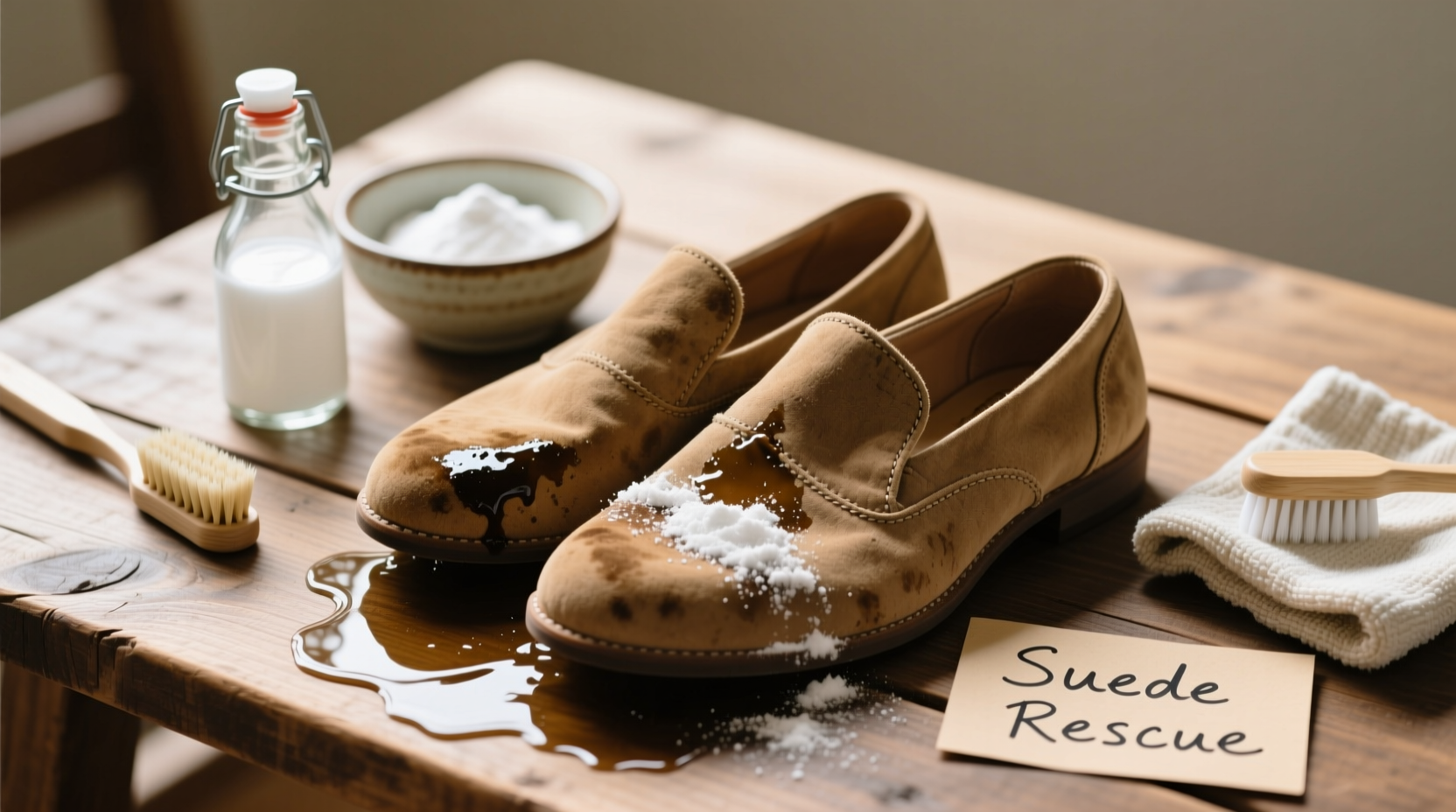
Suede is made from the underside of animal hides, typically cow, lamb, or goat. Unlike full-grain leather, which has a protective outer layer, suede is napped and porous. This gives it a velvety feel but makes it highly absorbent. When water hits suede, it doesn’t just sit on the surface—it soaks in quickly, disrupting the fibers and leaving mineral deposits as it dries. This often results in:
- Dark water stains (from tap or rainwater minerals)
- Hardened, crunchy patches
- Faded or uneven coloration
- Lingering musty odors if not dried properly
The key to recovery isn’t immediate scrubbing—that only worsens fiber damage. Instead, patience and the right gentle treatments make all the difference. Pantry-based solutions work by absorbing moisture, lifting stains, neutralizing odors, and gently breaking down residues without stripping the material.
“Suede should never be soaked or aggressively cleaned. The goal is controlled restoration using mild agents.” — Lena Pruitt, Textile Conservation Specialist
Essential Pantry Staples and Their Roles
Before diving into cleaning steps, it helps to understand what each common kitchen item does for suede:
| Ingredient | Primary Function | Why It Works on Suede |
|---|---|---|
| White Vinegar | Stain remover, odor neutralizer | Breaks down mineral deposits from water; acidic nature lifts discoloration without bleaching |
| Baking Soda | Deodorizer, grease absorber | Draws out trapped moisture and oils; gently exfoliates surface residue |
| Cornstarch | Mild absorbent | Soaks up residual dampness and prevents watermark formation |
| Dish Soap (clear, unscented) | Cleaner for light grime | Cuts through dirt without harsh solvents; safe when diluted |
| Coarse Salt | Textural cleaner | Helps lift embedded debris when combined with vinegar |
Step-by-Step Restoration Process
Follow this timeline-based method for best results. Rushing stages can lock in damage.
- Immediate Post-Rain Care (Within 1–2 Hours):
Remove laces and insoles if possible. Stuff shoes with crumpled paper towels or clean white tissue to maintain shape and draw out moisture. Avoid newspaper—it can transfer ink. Place in a well-ventilated room away from direct heat or sunlight. Let dry naturally for at least 12 hours. - Day 1: Dry Brushing
Once fully dry, use a suede brush (or soft toothbrush) to gently lift the nap. Brush in one direction to realign fibers. This removes surface dust and prepares the material for treatment. - Day 2: Target Stains with Vinegar Solution
Mix equal parts white vinegar and distilled water in a spray bottle. Lightly mist the stained areas—do not soak. Wait 30 seconds, then dab with a microfiber cloth. Repeat only if necessary. Allow shoes to air-dry again overnight. - Day 3: Absorb Residual Dampness
Sprinkle a thin layer of cornstarch or baking soda over problem zones. Let sit for 4–6 hours or overnight. These powders pull out lingering moisture and help lighten watermarks. Brush off thoroughly afterward. - Day 4: Deep Clean (If Needed)
For greasy spots or scuff marks, mix 1 drop of clear dish soap into 2 tablespoons warm water. Dip a cotton swab into the solution, wring it almost dry, and gently blot the affected area. Wipe immediately with a damp (water-only) cloth, then dry and brush. - Day 5: Final Refresh
Use a clean, dry towel to buff the surface. If color appears faded, lightly rub baking soda in circular motions with a soft cloth, then brush. Finish by holding the shoes about 12 inches from a hairdryer on cool setting to fluff the nap.
When to Combine Ingredients
For tougher stains—especially where mud mixed with rainwater—combine 1 tablespoon coarse salt with 1 teaspoon white vinegar to form a paste. Apply sparingly to the spot with a toothpick, let sit for 10 minutes, then brush gently. This mild abrasive action lifts embedded particles without damaging fibers.
Common Mistakes That Worsen Damage
Even with good intentions, many people accidentally ruin suede during cleanup. Avoid these pitfalls:
- Using heat to speed drying: Hairdryers, radiators, or ovens cause fibers to shrink and crack. Always air-dry at room temperature.
- Scrubbing too hard: Aggressive brushing flattens the nap permanently. Use feather-light strokes.
- Applying undiluted vinegar: Full-strength vinegar may alter dye or weaken fibers. Always dilute.
- Ignoring odors: Damp suede breeds mildew. Baking soda treatment is essential for long-term wearability.
- Skipping the rest period: Cleaning too soon after wetting traps moisture beneath the surface.
Real Example: Recovering Commuter Shoes After a Downpour
James, a graphic designer in Seattle, wore his favorite taupe suede chukkas during an unexpected storm. By the time he reached his office, the shoes were soaked, with dark splotches across the toes and heels. He resisted the urge to blast them with a dryer and instead followed a five-day pantry-based routine.
He started by stuffing them with paper and letting them dry overnight. On day two, he brushed them gently and noticed the nap was matted. He applied a vinegar-water mist to the worst stains, waited, and blotted. After another night of drying, he coated the marks with baking soda and left it overnight. By day four, the watermarks had faded significantly. A final buff with a dry cloth restored most of the texture.
“I was ready to toss them,” James said. “But after following those slow steps, they look 85% new. I now keep a travel-sized brush and some baking soda in my desk drawer.”
Checklist: Pantry-Based Suede Recovery Plan
Use this checklist to track progress and avoid missed steps:
- ☐ Remove laces and insoles
- ☐ Stuff with paper towels or tissue (not newspaper)
- ☐ Air-dry for 12–24 hours away from heat
- ☐ Gently brush nap in one direction
- ☐ Test vinegar solution on inconspicuous spot
- ☐ Mist stained areas with diluted vinegar
- ☐ Blot, then air-dry again
- ☐ Apply cornstarch or baking soda to lift moisture
- ☐ Leave powder for 4–8 hours, then brush off
- ☐ Spot-clean with dish soap only if needed
- ☐ Buff and fluff nap with cool air
- ☐ Store in breathable bag once fully restored
Frequently Asked Questions
Can I use lemon juice instead of vinegar?
No. While lemon juice is acidic, it contains citric acid and natural sugars that can leave sticky residues or cause yellowing over time, especially in sunlight. Stick with white vinegar for predictable results.
What if my suede shoes turn stiff after drying?
Stiffness usually means moisture remains trapped inside. Re-stuff with fresh paper and let sit for another 24 hours. Then, apply a light sprinkle of baking soda and brush vigorously with a suede brush. The abrasion helps loosen fibers. Avoid adding liquids at this stage unless reapplying diluted vinegar to specific spots.
Will these methods work on colored suede?
Yes, but extra caution is required. Dark blue, burgundy, or bright-colored suedes may react differently to vinegar. Always test first. For vibrant colors, reduce vinegar concentration to 1 part vinegar to 3 parts water.
Prevention Tips for Future Protection
Once restored, protect your investment. Prevention is far easier than repair.
- Suede protector spray: Though not a pantry staple, a one-time application creates a water-resistant barrier. Reapply every few months.
- Rotate footwear: Don’t wear suede two days in a row, especially in humid climates.
- Carry a mini kit: Keep a small container of baking soda, a foldable brush, and microfiber cloth in your bag for emergencies.
- Avoid rainy forecasts: Reserve suede for dry days whenever possible.
“The average lifespan of suede shoes doubles when owners practice basic maintenance and respond promptly to moisture exposure.” — Marcus Tran, Footwear Restoration Technician
Conclusion: Restore Confidence, One Step at a Time
Rain-damaged suede doesn’t mean ruined suede. With patience and the right approach, you can reverse much of the harm using nothing more than items from your kitchen cabinet. The process isn’t instant, but it’s effective, affordable, and empowering. You’re not dependent on specialty stores or expensive kits—just careful technique and common sense.
Your suede shoes represent more than fashion—they carry memories, effort, and personal style. Giving them a second life honors that value. Next time clouds gather, you’ll know exactly what to do if your favorites get caught in the downpour.




 浙公网安备
33010002000092号
浙公网安备
33010002000092号 浙B2-20120091-4
Comments
No comments yet. Why don't you start the discussion?