
White canvas shoes are a timeless staple—versatile, breathable, and effortlessly stylish. But their pristine appearance is fragile. The moment they pick up dirt, scuffs, or sweat stains, the temptation is to throw them in the washing machine for a quick fix. That’s often where the problem starts. Improper cleaning can leave behind yellow streaks, dull discoloration, or even permanent staining that makes the shoes look worse than before.
The key isn’t just cleaning—it’s cleaning correctly. Yellowing typically occurs due to oxidation, detergent residue, exposure to sunlight while damp, or chemical reactions with certain cleaning agents. Understanding these causes allows you to reverse and prevent damage. With the right tools, timing, and technique, you can restore your white canvas shoes to their original brightness—without risking long-term discoloration.
Why White Canvas Shoes Turn Yellow
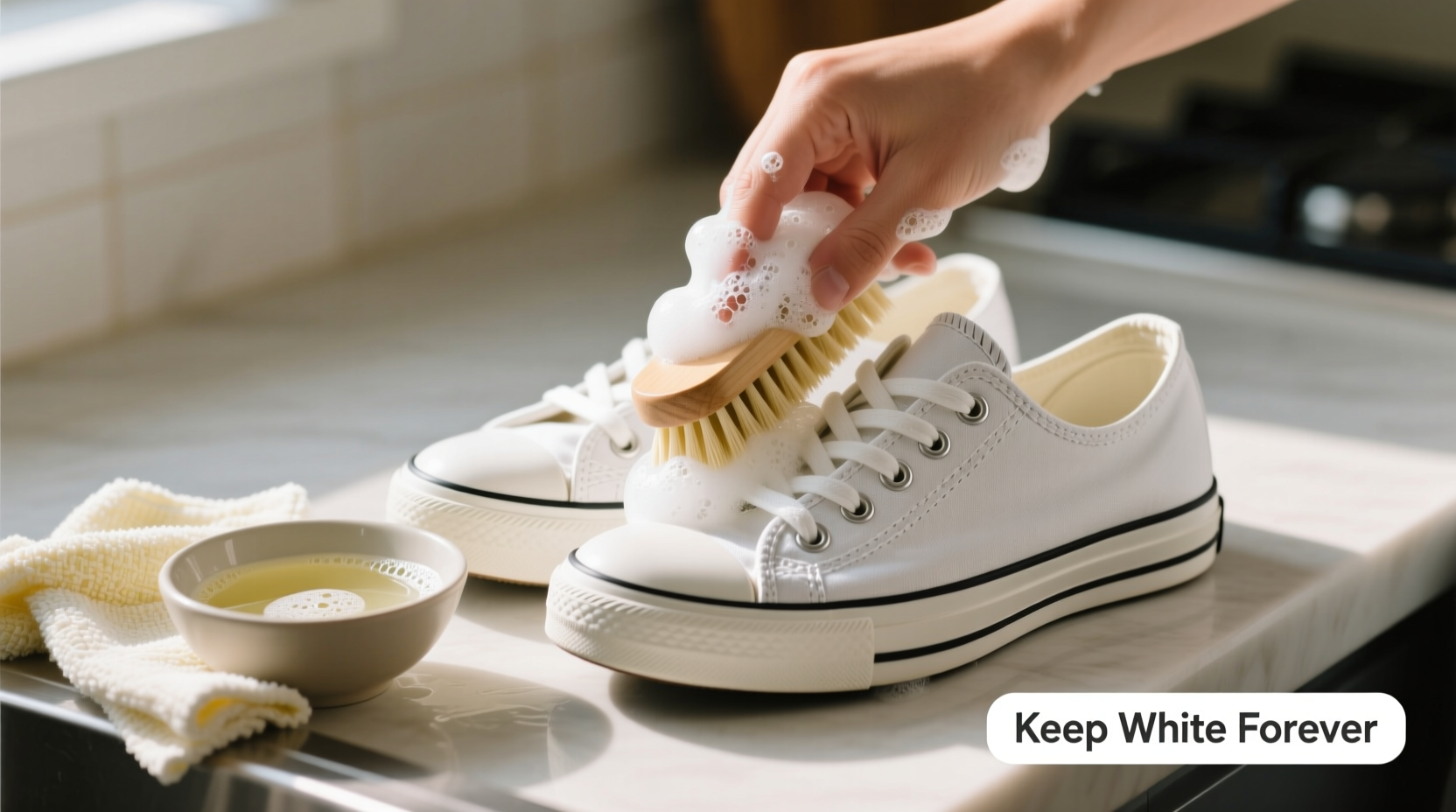
Before diving into cleaning methods, it's essential to understand what causes yellowing. Misconceptions about this issue lead many people to repeat damaging habits. Here are the most common culprits:
- Oxidation from sun drying: While air-drying seems harmless, leaving wet shoes in direct sunlight accelerates oxidation of organic residues (like sweat), turning white fabric yellow.
- Detergent buildup: Harsh detergents or excessive suds can leave behind alkaline residues that react under UV light, causing discoloration over time.
- Bleach misuse: Chlorine bleach breaks down cotton fibers and may weaken the material, leading to yellowish degradation instead of whitening.
- Trapped moisture: Drying shoes too quickly with heat sources like radiators or hairdryers damages fibers and promotes browning.
- Foot sweat and bacteria: Prolonged wear without ventilation leads to acidic perspiration penetrating the lining, which reacts with materials and causes inner yellow stains.
“Many people assume yellowing means the shoe is beyond saving. In reality, 90% of cases stem from improper aftercare, not irreversible damage.” — Lena Patel, Textile Restoration Specialist
Safe & Effective Cleaning Methods
Cleaning white canvas shoes requires gentle abrasives, pH-balanced solutions, and patience. Avoid aggressive scrubbing or high-heat drying at all costs. Below are three proven techniques that remove grime without inviting yellowing.
Method 1: Baking Soda + Hydrogen Peroxide Paste (Best for Scuffs)
This combination lifts surface stains gently while disinfecting the fabric. Hydrogen peroxide acts as a mild bleaching agent without chlorine, and baking soda provides light abrasion.
- Mix 1 tablespoon baking soda with 1–2 teaspoons hydrogen peroxide to form a thick paste.
- Using an old toothbrush, apply the paste directly to stained areas.
- Scrub in small circular motions, focusing on edges, soles, and toe caps.
- Let sit for 15–20 minutes (do not exceed 30 minutes).
- Rinse thoroughly with cold water—no soap needed.
- Blot dry with a clean towel and stuff with paper towels to maintain shape.
- Air-dry indoors, away from windows or heat sources.
Method 2: Mild Dish Soap + Cold Water Soak (Ideal for General Dirt)
For lightly soiled shoes, avoid strong chemicals altogether. A simple solution works best.
- Fill a basin with cold water and add one drop of fragrance-free dish soap.
- Submerge only the canvas upper—not the entire shoe—for 10 minutes max.
- Gently agitate with fingers; use a soft brush if needed.
- Rinse completely under running water until no suds remain.
- Pat dry and stuff with newspaper or paper towels to absorb moisture and hold shape.
- Dry flat in a shaded, well-ventilated room for 24–48 hours.
Method 3: Vinegar Rinse (For Odor & Internal Stains)
If yellowing appears inside the collar or tongue, it’s likely caused by sweat absorption. A vinegar rinse neutralizes acidity and prevents future discoloration.
- Wipe interior surfaces with a cloth dipped in equal parts white vinegar and water.
- Allow to sit for 10 minutes, then wipe clean with a damp microfiber cloth.
- Leave open to air out overnight before wearing again.
Note: Do not soak canvas in vinegar. Overexposure can degrade adhesives and dye.
Do’s and Don’ts When Cleaning White Canvas Shoes
| Do’s | Don’ts |
|---|---|
| Use cold water only | Never use hot water—it sets stains and weakens glue |
| Stuff shoes with paper towels during drying | Don’t place near heaters or direct sun |
| Spot-clean regularly to prevent buildup | Avoid putting canvas shoes in the washing machine |
| Use non-abrasive brushes (e.g., toothbrush) | Don’t scrub aggressively—it frays fibers |
| Apply UV-protective sprays after drying | Never store damp shoes in enclosed spaces |
Real Example: Recovering Vintage Converse
Jamal, a sneaker collector in Portland, inherited a pair of vintage white canvas Chucks from his brother. Though structurally sound, they were heavily yellowed around the toes and collars from years of outdoor wear and improper storage. He tried machine-washing them once, which worsened the discoloration.
Following the baking soda and hydrogen peroxide method, he applied the paste carefully, avoiding the rubber trim. After two treatments spaced three days apart—and always drying indoors—the shoes regained nearly full brightness. He now maintains them with biweekly spot-cleaning and uses a fabric protector spray monthly. “They’re not museum-perfect,” he says, “but they look wearable and clean. And I learned never to rush the drying process.”
Preventing Yellowing Long-Term
Cleaning is temporary if prevention isn’t part of your routine. These habits will keep your white canvas shoes looking fresh between washes:
- Rotate your footwear: Wearing the same pair daily traps moisture and speeds deterioration. Allow at least 24 hours between wears for full drying.
- Use foot powders or moisture-wicking socks: Reducing sweat penetration minimizes internal staining.
- Apply a fabric protector: Products like Scotchgard or specialized sneaker shields create a barrier against dirt and water without altering breathability.
- Store properly: Keep shoes in a cool, dry closet with good airflow. Avoid plastic bins; breathable cotton bags are better.
- Brush lightly after each wear: A quick sweep with a dry toothbrush removes dust before it embeds into fibers.
“Maintenance is cheaper than replacement. Ten seconds of brushing after wear saves hours of deep cleaning later.” — Diego Mendez, Footwear Care Consultant
Step-by-Step Timeline for Deep Cleaning
Follow this structured timeline to ensure thorough yet safe cleaning:
- Day 1 – Evening: Remove laces and insoles. Pre-treat visible stains with baking soda paste. Let sit 20 minutes, then rinse.
- Day 1 – Night: Stuff with paper towels and begin indoor air-drying. Place in a ventilated room, out of sunlight.
- Day 2 – Morning: Check dryness. If still damp inside, replace paper and continue drying.
- Day 2 – Afternoon: Once fully dry, apply fabric protector spray evenly. Hang laces and insoles nearby to benefit from mist dispersion.
- Day 3: Reassemble shoes. Wear with moisture-absorbing socks and avoid wet conditions for 48 hours post-treatment.
Frequently Asked Questions
Can I use toothpaste to clean white canvas shoes?
Some people report success with white toothpaste, but most modern formulas contain abrasives, dyes, or whitening agents that can damage fabric or cause spotting. It’s safer to stick with baking soda or dedicated sneaker cleaners.
Why did my shoes turn yellow after using baking soda?
This usually happens when shoes are dried in sunlight. Baking soda itself doesn’t cause yellowing, but residual moisture exposed to UV rays triggers oxidation. Always dry indoors and ensure complete rinsing.
How often should I deep clean white canvas shoes?
Every 4–6 weeks under regular use. If worn daily in humid or dirty environments, consider spot-cleaning weekly and deep cleaning monthly.
Final Checklist Before You Begin
- ✅ Remove laces and insoles
- Allows full access to stained areas and prevents uneven cleaning.
- ✅ Test any cleaner on a small hidden area
- Ensures no adverse reaction with fabric or adhesive.
- ✅ Use only cold water and gentle tools
- Preserves integrity of canvas and sole bonding.
- ✅ Dry slowly and indoors
- Prevents warping, shrinkage, and yellowing from UV exposure.
- ✅ Apply protective spray after drying
- Adds a layer of defense against future stains and moisture.
Conclusion
Cleaning white canvas shoes without yellowing them isn’t magic—it’s method. The difference between a bright, fresh result and a permanently stained disaster lies in attention to detail: the right ingredients, proper drying, and consistent care. By understanding how materials react to water, light, and chemistry, you gain control over the outcome.
Start today. Take those dingy shoes off the shelf, gather a toothbrush and some baking soda, and give them the gentle revival they deserve. With patience and precision, you’ll not only restore their look but extend their life far beyond what fast fashion suggests is possible.




 浙公网安备
33010002000092号
浙公网安备
33010002000092号 浙B2-20120091-4
Comments
No comments yet. Why don't you start the discussion?