
White canvas Vans are a timeless staple in casual footwear, prized for their versatility and clean aesthetic. But one persistent issue frustrates owners: after washing, the shoes often develop a yellowish tint, especially around the edges, toe cap, or rubber trim. This discoloration doesn’t just dull their appearance—it can make them look older than they are. The good news is that yellowing isn’t inevitable. With the right cleaning approach, materials, and drying techniques, you can restore your Vans to pristine white without inviting unwanted stains or oxidation.
Yellowing typically occurs due to chemical reactions, improper drying, exposure to sunlight, or using products that leave residue. This guide breaks down exactly how to clean your white canvas Vans safely and effectively, avoiding the common pitfalls that lead to discoloration.
The Science Behind Yellowing: Why It Happens
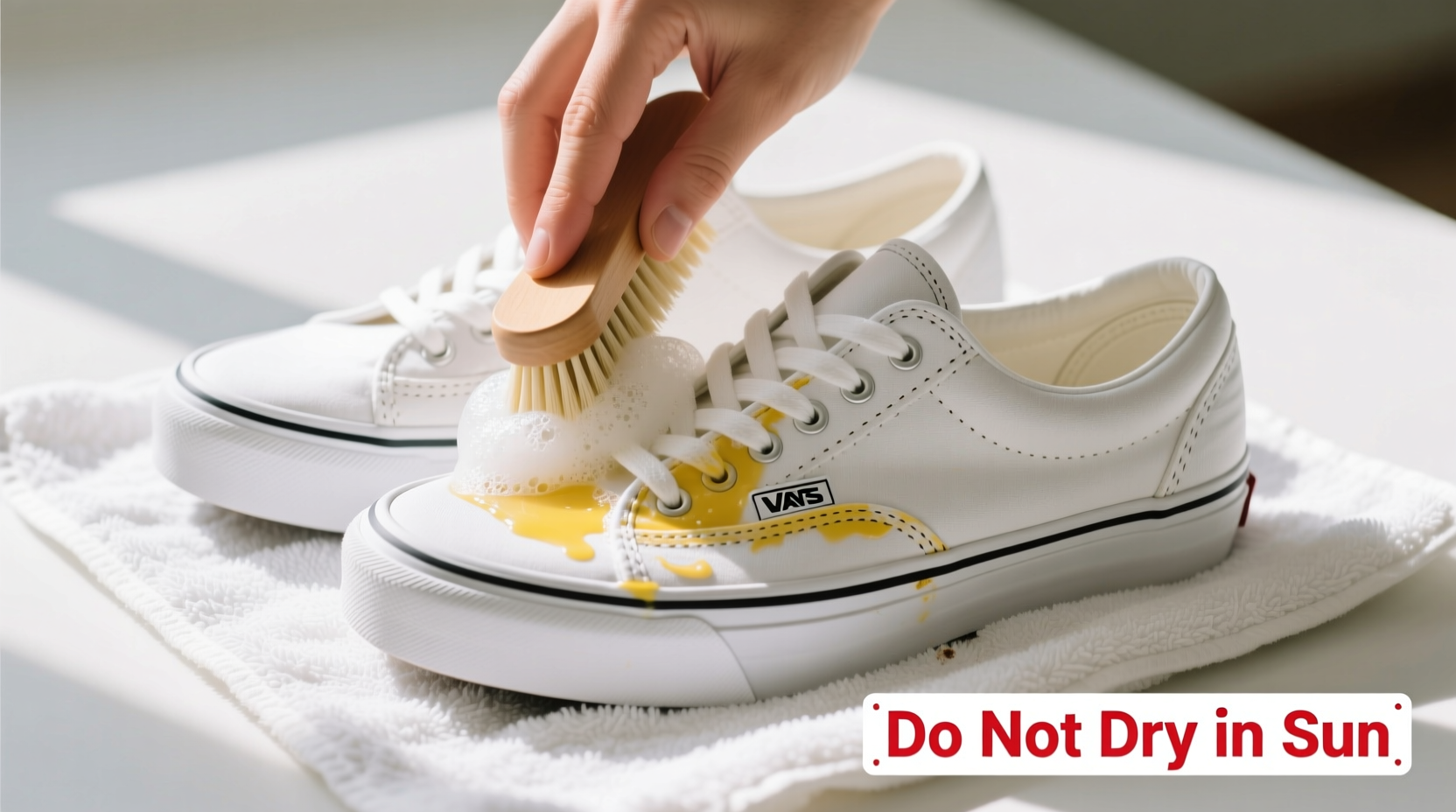
Understanding why white canvas turns yellow is crucial to preventing it. Several factors contribute:
- Oxidation from sunlight: UV rays trigger photo-oxidative degradation in synthetic materials and adhesives used in sneakers. The rubber soles and glue bonding components often contain sulfur-based compounds that turn yellow when exposed to prolonged sunlight.
- Residue buildup: Harsh detergents, bleach, or even toothpaste (a popular DIY remedy) can leave behind alkaline residues that attract dirt and promote yellowing over time.
- Improper drying: Drying shoes near direct heat sources like radiators or placing them in a hot dryer accelerates chemical breakdown and causes fibers to degrade unevenly.
- Moisture retention: Trapped moisture inside the shoe encourages mildew growth, which may appear as yellow or brown spots.
“Many people unknowingly accelerate yellowing by using bleach or leaving their shoes in direct sun to dry. It’s counterproductive.” — Dr. Lena Park, Textile Chemist at Sustainable Apparel Lab
Prevention starts with understanding these triggers. The goal isn’t just to remove dirt but to preserve the integrity of the materials while avoiding chemical stressors.
Step-by-Step Guide: How to Clean White Canvas Vans Safely
Cleaning your Vans properly involves preparation, gentle cleaning agents, thorough rinsing, and smart drying. Follow this timeline for best results:
- Remove laces and insoles: Take out the shoelaces and removable insoles. Wash them separately to prevent trapped grime from recontaminating the shoe.
- Dry brush first: Use a soft-bristle toothbrush or sneaker brush to remove surface dust, mud, and loose debris. Focus on seams and the base of the rubber collar where dirt accumulates.
- Prepare cleaning solution: Mix 1 tablespoon of mild liquid dish soap (like Dawn) with 1 cup of lukewarm water. Avoid bleach, ammonia, or abrasive cleaners.
- Spot test: Apply a small amount of solution to an inconspicuous area (e.g., inner side panel). Wait 5 minutes to ensure no discoloration or fabric damage.
- Clean canvas: Dip the brush into the solution and gently scrub the canvas in circular motions. Work section by section, starting from the top and moving downward.
- Tackle rubber trim: Use a separate brush (or old toothbrush) and same solution to clean the rubber edge. For stubborn marks, add a paste of baking soda and water (2:1 ratio), but rinse thoroughly afterward.
- Rinse completely: Wipe down with a damp microfiber cloth soaked in clean water. Repeat until no soapy residue remains. Residual soap attracts dirt and promotes yellowing.
- Air dry properly: Stuff the shoes with white paper towels or a shoe tree to maintain shape and absorb moisture. Place them in a well-ventilated, shaded area away from direct sunlight or heat sources.
- Reassemble: Once fully dry (usually 24–48 hours), reinsert insoles and relace with cleaned laces.
Do’s and Don’ts: What to Avoid When Cleaning White Vans
Even with good intentions, many cleaning habits backfire. Here’s a clear comparison of recommended practices versus risky ones:
| Do’s | Don’ts |
|---|---|
| Use mild dish soap and lukewarm water | Use chlorine bleach or hydrogen peroxide |
| Hand wash with soft brush | Put in washing machine or dryer |
| Dry indoors, in shade, with airflow | Dry in direct sunlight or near heaters |
| Stuff with white paper towels or shoe trees | Leave unstuffed or use newspaper (ink transfer risk) |
| Clean every 2–3 weeks with light maintenance | Wait until heavily soiled before cleaning |
| Store in breathable cotton bag or box | Leave in plastic bags or humid closets |
Following the “Do’s” significantly reduces the chance of yellowing and extends the life of your footwear. Consistent light cleaning prevents deep-set stains that tempt users to resort to aggressive chemicals.
Real Example: Recovering Yellowed Vans Without Damage
Jamie, a college student in Portland, had worn her white canvas Vans nearly every day for three months. After a rainstorm left them muddy, she washed them in the sink with a popular whitening toothpaste, then placed them on a sunny windowsill to dry quickly. Within days, the toe caps turned noticeably yellow.
Distressed, she researched safe restoration methods. She followed the proper hand-cleaning process using dish soap and a soft brush, then rinsed thoroughly. Instead of sun-drying, she stuffed the shoes with paper towels and let them air dry overnight in her closet. To address the existing yellow tint, she applied a paste of baking soda and water only to the affected rubber areas, scrubbed gently, and rinsed again.
After two rounds of this method, spaced a week apart, the yellowing faded significantly. The canvas remained bright white, and she now cleans her Vans monthly using the correct technique. Her experience highlights how easily yellowing occurs—and how reversible it can be with patience and the right approach.
Alternative Methods That Work (And Ones That Don’t)
There are countless home remedies circulating online. Some work; most either fail or cause long-term damage. Here’s a breakdown:
- Vinegar and water (1:1): Mildly acidic, helps lift odors and some stains. Safe if rinsed well. Do not soak.
- Baking soda paste: Effective for rubber and scuff marks. Use sparingly on canvas to avoid abrasion.
- Laundry detergent: Often too harsh. Enzymes and optical brighteners can leave residue that yellows over time.
- Toothpaste: Contains silica and bleaching agents. Can scratch fabric and degrade adhesive layers. Not recommended.
- Bleach: Destroys cotton fibers and accelerates yellowing in rubber. Avoid entirely.
- Washing machine: Agitation damages structure, and residual moisture leads to mold and yellow spots.
Prevention Checklist: Keep Your Vans White Longer
Maintaining white canvas shoes requires ongoing care. Use this checklist weekly and monthly to stay ahead of yellowing:
- ✅ Brush off dust and dirt after each wear
- ✅ Spot-clean stains within 24 hours
- ✅ Hand-wash with mild soap every 2–3 weeks
- ✅ Always rinse thoroughly—no soapy film should remain
- ✅ Dry indoors, away from sunlight and heat
- ✅ Store in a cool, dry place with good airflow
- ✅ Rotate shoes to reduce continuous wear and sweat buildup
- ✅ Apply a fabric protector spray (non-yellowing formula) every 4–6 weeks
Regular upkeep prevents the need for deep cleaning, reducing stress on materials and minimizing yellowing risks.
Frequently Asked Questions
Can I use hydrogen peroxide to clean white canvas Vans?
You can, but with caution. A diluted solution (1 part 3% hydrogen peroxide to 2 parts water) may help lift stains on rubber, but never soak the canvas. Hydrogen peroxide acts as a bleaching agent and can weaken fibers or react with dyes over time. Always rinse thoroughly and avoid repeated use.
Why do my Vans turn yellow even when I don’t wash them?
Natural aging, exposure to UV light, and body oils transferred through socks contribute to gradual yellowing. Even unwashed, constant friction and environmental pollutants break down materials. Regular gentle cleaning removes contaminants before they oxidize.
Is there a way to reverse yellowing permanently?
Surface-level yellowing from dirt or residue can be reversed with proper cleaning. However, deep oxidation in rubber or adhesive layers is often irreversible. Prevention is more effective than correction. For severe cases, consider professional sneaker restoration services that use UV-free whitening treatments.
Final Thoughts: Preserve Whiteness with Smart Habits
Cleaning white canvas Vans without yellowing isn’t about finding a miracle product—it’s about consistency, gentleness, and understanding material science. The canvas itself is durable, but it’s surrounded by components like rubber, glue, and dyes that react poorly to harsh treatment. By choosing mild cleaners, avoiding UV exposure during drying, and maintaining a routine, you protect both appearance and longevity.
Every time you clean your shoes correctly, you’re not just removing dirt—you’re preserving their original design and extending their usable life. These habits take little extra effort but deliver visible results over time. Whether you wear your Vans casually or rely on them daily, treating them with care ensures they continue to look fresh, clean, and true to their classic style.




 浙公网安备
33010002000092号
浙公网安备
33010002000092号 浙B2-20120091-4
Comments
No comments yet. Why don't you start the discussion?