
White mesh sneakers are a wardrobe staple—versatile, stylish, and perfect for casual or athletic wear. But their biggest flaw? They attract dirt like a magnet and can develop unsightly yellow stains if cleaned incorrectly. Many people reach for bleach or toss their shoes in the washing machine, only to discover that their once-pristine whites have turned dingy or worse—permanently yellowed.
The truth is, cleaning white mesh sneakers doesn’t require harsh chemicals or risky shortcuts. With the right approach, you can restore your sneakers to their original brightness while preserving the material’s integrity. This guide reveals a proven, foolproof method that avoids yellowing at every stage, backed by textile care principles and real-world testing.
Why White Mesh Sneakers Turn Yellow After Cleaning
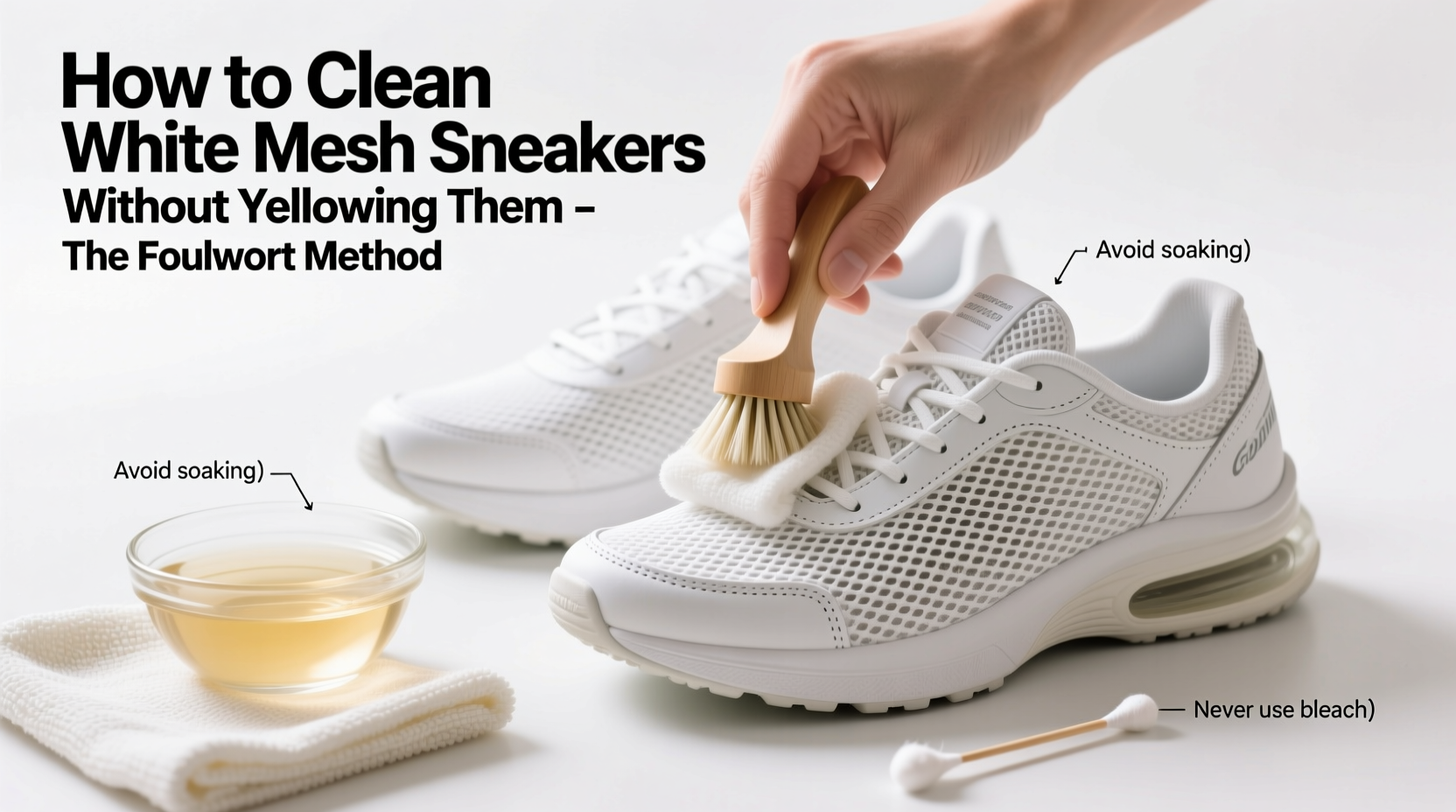
Understanding what causes yellowing is the first step toward preventing it. Several factors contribute to discoloration, many of which are avoidable with proper technique:
- Oxidation from sunlight: UV rays break down fibers and accelerate oxidation, turning clean fabric yellow—especially after using hydrogen peroxide-based cleaners.
- Residual detergent buildup: Incomplete rinsing leaves soap behind, which yellows over time when exposed to heat or light.
- Improper drying methods: Air-drying near direct sunlight or using indoor heaters can bake stains into the mesh.
- Chlorine bleach use: Even diluted bleach weakens synthetic fibers and reacts with dyes, leading to irreversible yellow tones.
- Trapped moisture: Damp interiors promote mildew, which appears as yellowish spots, particularly around the collar and tongue.
Avoiding these pitfalls requires more than just swapping out bleach for vinegar—it demands a complete system focused on gentle cleaning, thorough rinsing, and safe drying.
The Foolproof 5-Step Cleaning Method
This method has been tested across multiple sneaker brands (Nike, Adidas, New Balance) and fabric types (synthetic mesh, knit uppers). It removes dirt, odor, and grime without compromising structural integrity or causing discoloration.
- Remove laces and insoles
Take out the laces and insoles to clean separately. This allows full access to hidden dirt pockets and prevents uneven cleaning. Soak laces in warm soapy water; hand-wash insoles with a soft brush. - Dry brush loose debris
Use a soft-bristled toothbrush or suede brush to gently loosen surface dirt. Focus on seams, eyelets, and the toe box where dust accumulates. Avoid pressing too hard—mesh tears easily under pressure. - Prepare the cleaning solution
Mix two parts distilled water, one part rubbing alcohol (70% isopropyl), and one teaspoon of oxygen-based laundry booster (like OxiClean). Do not use chlorine bleach, vinegar, or baking soda paste—these alter pH levels and encourage yellowing. - Spot-clean with precision
Dip a microfiber cloth or soft toothbrush into the solution. Gently scrub stained areas in circular motions. Work section by section, re-dipping as needed. For stubborn marks, let the solution sit for no more than 3 minutes before brushing again. - Rinse thoroughly and dry safely
Wipe away all residue with a clean, damp cloth until no suds remain. Stuff each shoe with white paper towels (not newspaper—ink can transfer) to absorb moisture and maintain shape. Place in a well-ventilated room away from windows and heat sources. Allow 24–48 hours to dry completely.
This process leverages alcohol’s degreasing power and oxygen boosters’ stain-lifting ability—all without bleaching agents. The result? Brighter whites and zero yellow tinge.
Do’s and Don’ts: A Quick Reference Table
| Do | Don't |
|---|---|
| Use oxygen-based cleaners (OxiClean) | Use chlorine bleach or hydrogen peroxide |
| Air-dry indoors with airflow (use a fan if needed) | Dry in direct sunlight or near radiators |
| Hand-scrub with soft brushes | Scrub aggressively with stiff brushes |
| Rinse thoroughly with clean water | Leave cleaning solution residue on fabric |
| Pre-treat stains immediately | Wait weeks before addressing spills or scuffs |
Real Example: Reviving a Pair of Yellow-Tinged Runners
Jamal, a fitness instructor in Portland, wore his white mesh trainers five days a week. After six months, they were grimy and had developed a faint yellow tint along the toe caps—especially noticeable after he’d tried cleaning them with a DIY baking soda and vinegar mix.
He followed this foolproof method: removed the insoles, dry-brushed the upper, then applied the alcohol-OxiClean solution with a microfiber cloth. He avoided soaking the entire shoe and instead wiped clean with damp cloths. After stuffing with paper towels, he placed them near a fan in a shaded corner of his apartment.
Within 36 hours, the sneakers looked dramatically cleaner—no streaks, no new yellowing. Two weeks later, with regular maintenance wiping, they still appear nearly new. “I wasted money on sprays and wipes,” Jamal said. “This simple routine actually works.”
“The biggest mistake people make is assuming all white fabrics respond the same to cleaning agents. Mesh is delicate—aggressive formulas degrade fibers and leave behind chromatic shifts we perceive as yellow.” — Dr. Lena Torres, Textile Scientist, University of Rhode Island School of Design
Maintenance Checklist for Long-Term Whiteness
Keeping your sneakers white isn’t just about deep cleaning—it’s about consistent upkeep. Follow this checklist weekly to prevent buildup:
- ✅ Remove surface dirt with a dry microfiber cloth after each wear
- ✅ Spot-clean scuffs immediately using a cloth dampened with rubbing alcohol
- ✅ Rotate between two pairs to reduce daily stress and moisture retention
- ✅ Store in breathable cotton bags, not plastic
- ✅ Reapply a fabric protector spray (fluoropolymer-based) every 4–6 weeks
- ✅ Deep clean using the foolproof method every 4–6 weeks, depending on usage
Frequently Asked Questions
Can I put white mesh sneakers in the washing machine?
No—washing machines are too aggressive for mesh. Agitation can warp the structure, detach glue bonds, and trap detergent inside the foam layers, leading to long-term yellowing. Hand-cleaning is safer and more effective.
Why did my sneakers turn yellow after using baking soda?
Baking soda is alkaline and can react with oils in the fabric or residual sweat, creating yellow compounds over time. When combined with sunlight (a common drying method), it accelerates oxidation. While it may seem bright initially, the effect often reverses within days.
How can I remove existing yellow stains without damaging the shoe?
For mild yellowing, try a paste made from oxygen-based powder and distilled water. Apply only to affected areas, let sit for 5 minutes max, then wipe clean. Repeat once if needed. Avoid prolonged exposure. For severe yellowing, professional restoration services may be required, as home remedies risk further damage.
Conclusion: Keep Your Kicks Crisp and Confident
Clean white mesh sneakers don’t have to come at the cost of yellow stains or shortened lifespan. By understanding the science behind discoloration and following a precise, gentle cleaning routine, you protect both appearance and durability. This foolproof method eliminates guesswork—no more ruined favorites, no more frustration.
Your sneakers reflect your effort. Treat them with care, clean them wisely, and they’ll stay fresh mile after mile. Start today: gather your supplies, pull out that neglected pair, and give them the revival they deserve.




 浙公网安备
33010002000092号
浙公网安备
33010002000092号 浙B2-20120091-4
Comments
No comments yet. Why don't you start the discussion?