
White shoelaces are a classic detail that can elevate the look of any sneaker or casual shoe. But over time, they accumulate dirt, sweat stains, and environmental grime, leading to a dull, grayish appearance. Many people try washing them in the machine or scrubbing with bleach, only to find the laces come out discolored, stiff, or worse—permanently faded. The good news is there’s a simple, natural solution: baking soda. When used correctly, baking soda lifts stains without damaging fibers or causing discoloration. This guide reveals how to safely restore your white shoelaces to their original brightness—without the dreaded gray tint.
Why White Shoelaces Turn Gray (And How Baking Soda Prevents It)
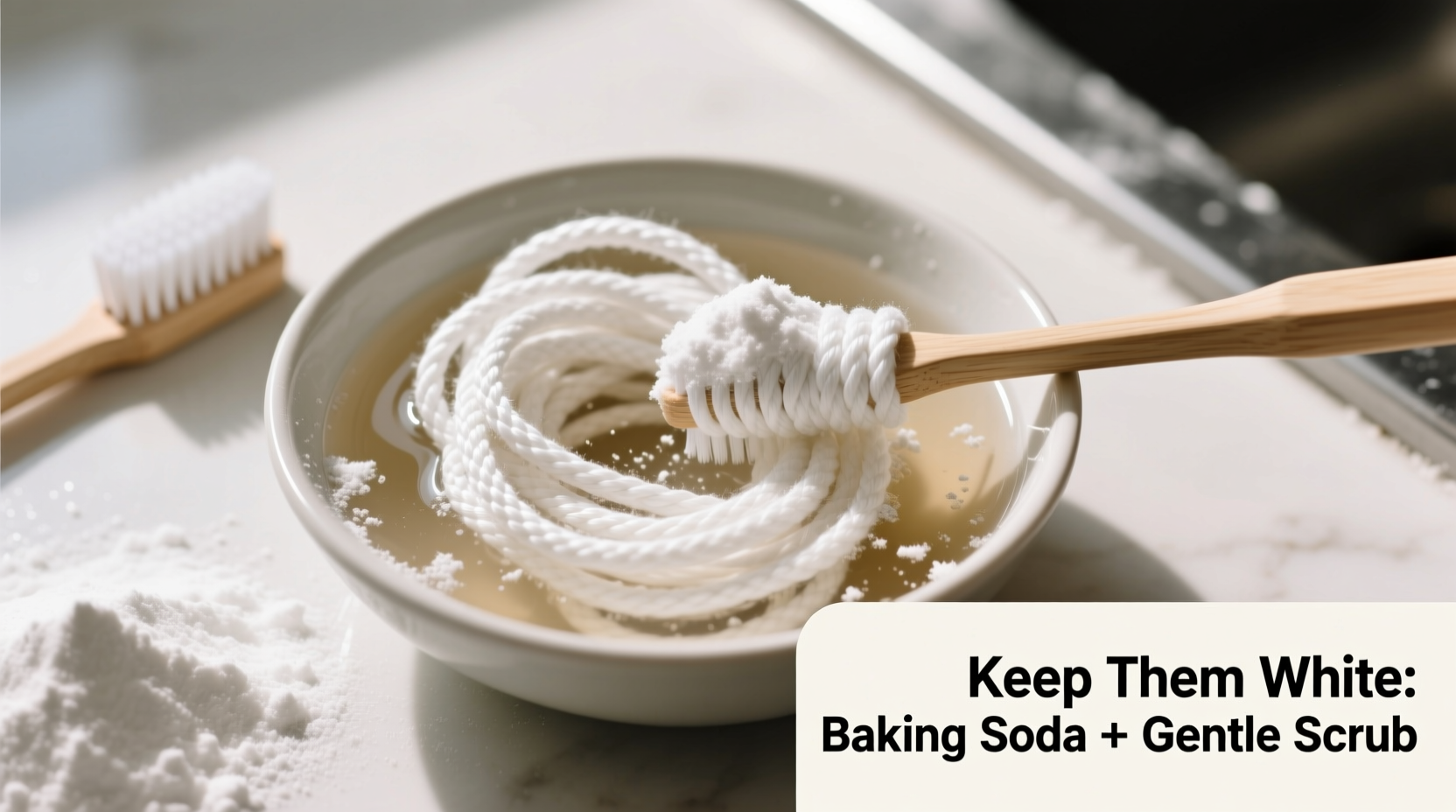
The shift from bright white to dingy gray isn’t always due to dirt alone. Several factors contribute to this frustrating transformation:
- Detergent residue buildup: Harsh detergents or insufficient rinsing leaves behind chemical deposits that dull fabric.
- Bleach damage: Chlorine bleach weakens cotton and synthetic fibers, causing yellowing or gray oxidation over time.
- Mineral deposits: Hard water contains calcium and magnesium, which bond to fabric and create a hazy film.
- Improper drying: High heat or prolonged sun exposure degrades fibers and accelerates discoloration.
Baking soda—a mild alkali compound—works differently than traditional cleaners. It gently lifts acidic stains like sweat and oils through a process called saponification, converting fats into soap-like substances that rinse away easily. Unlike bleach, it doesn’t oxidize fibers or strip natural color stabilizers in manufactured threads. Instead, it neutralizes odors, softens water, and enhances cleaning power without compromising integrity.
“Baking soda is one of the safest and most effective agents for maintaining white textiles at home. It cleans without etching fibers, making it ideal for delicate materials like shoelace yarns.” — Dr. Lena Hartwell, Textile Chemist & Home Cleaning Researcher
Step-by-Step Guide: Cleaning White Shoelaces with Baking Soda
This method ensures deep cleaning while preserving fiber strength and whiteness. Follow these steps carefully to avoid common pitfalls that lead to graying.
- Remove laces from shoes: Take them out completely to allow full access and even treatment. If left threaded, parts will remain untouched and may transfer stains back during drying.
- Pre-treat visible stains: Mix 1 tablespoon of baking soda with 1 teaspoon of water to form a thick paste. Apply directly to stained areas—especially near the aglets (plastic tips) where hands frequently touch. Gently rub with a soft toothbrush for 30 seconds. Let sit for 10 minutes.
- Soak in baking soda solution: Fill a bowl with 2 cups warm water and dissolve 3 tablespoons of baking soda. Submerge laces fully. Soak for 45–60 minutes. Do not exceed two hours, as oversaturation can weaken some synthetic blends.
- Rinse thoroughly: Hold under cool running water until no suds remain. Squeeze gently—do not wring—to remove excess moisture.
- Air dry properly: Lay flat on a clean towel or hang using clothespins away from direct sunlight. Avoid radiators or hairdryers, which cause brittleness and thermal discoloration.
Do’s and Don’ts: Best Practices for Long-Lasting Whiteness
Maintaining white shoelaces requires more than just cleaning—it demands mindful habits. Use this table as a reference to avoid mistakes that accelerate graying.
| Do | Don’t |
|---|---|
| Use lukewarm water for soaking | Use boiling water—it can set stains and shrink fibers |
| Clean every 2–3 weeks with baking soda soak | Wait until laces are heavily soiled—deep-set stains are harder to lift |
| Store spare laces in breathable cotton bags | Leave damp laces bunched up—they develop mildew and discoloration |
| Wear gloves when handling dirty laces to reduce oil transfer | Use chlorine bleach or multipurpose sprays labeled “whitening” |
| Pair baking soda with oxygen-based boosters (e.g., OxiClean) occasionally | Mix baking soda with vinegar in the same cleaning step—it creates gas and reduces effectiveness |
Real Example: Reviving Vintage Sneakers Without Damage
Jamie, a vintage sneaker collector in Portland, Oregon, purchased a pair of rare 1990s canvas high-tops online. While the shoes were structurally sound, the original laces were grimy and had turned an uneven gray-brown. He wanted to preserve authenticity but needed to restore cleanliness without harming the decades-old cotton thread.
Instead of machine-washing or bleaching, he followed the baking soda method described above. After pre-treating knots and eyelet zones with paste, he soaked the laces for 50 minutes in a baking soda bath. Upon rinsing and air-drying indoors, the laces emerged noticeably brighter—closer to off-white than gray—and retained their flexibility. The sneakers looked refreshed without losing historical character. Jamie now uses this technique on all his vintage pairs, rotating laces seasonally to maintain presentation.
His experience underscores a key principle: gentle, pH-balanced cleaning preserves both appearance and material lifespan far better than aggressive methods.
Enhancing Results: Optional Boosters and Alternatives
While baking soda alone is highly effective, combining it strategically with other safe additives can improve results—especially for stubborn discoloration.
- Oxygen bleach (sodium percarbonate): Add one scoop to the baking soda soak for extra stain-lifting power. Unlike chlorine, it breaks down into water and soda ash, leaving no harmful residues.
- Lemon juice (with caution): Its citric acid helps break down mineral films. Mix 1 tablespoon lemon juice with 1 cup water and apply after baking soda rinse. Never use before or during baking soda soak—acid-base reactions diminish efficacy.
- Sun drying (limited use): UV rays have natural whitening properties. For extra brightness, lay dried laces on a windowsill for 20–30 minutes. Do not exceed this time; prolonged exposure causes fiber fatigue.
Note: Always test any additive on a small section first. Some colored dyes in aglets or woven patterns may react unpredictably.
Checklist: Complete Care Routine for White Shoelaces
Follow this checklist monthly to keep laces consistently fresh and prevent graying:
- ▢ Remove laces from shoes
- ▢ Inspect for heavy staining or fraying
- ▢ Pre-treat spots with baking soda paste
- ▢ Soak in warm water + 3 tbsp baking soda for 45–60 min
- ▢ Rinse thoroughly under cool water
- ▢ Optional: Final rinse with diluted white vinegar (½ cup per liter)
- ▢ Air dry flat or hung, away from sunlight
- ▢ Store clean laces rolled or folded in breathable container
- ▢ Repeat every 2–3 weeks or after intense use
Frequently Asked Questions
Can I use baking soda on synthetic shoelaces?
Yes. Baking soda is safe for nylon, polyester, and poly-cotton blends commonly used in modern shoelaces. It does not degrade synthetic polymers under normal soaking conditions. However, avoid extended soaking beyond two hours to prevent unnecessary swelling of fibers.
Why did my laces turn gray after using baking soda?
This usually indicates incomplete rinsing or underlying mineral buildup. If tap water is hard, dissolved metals like iron or manganese can react with organic matter and appear gray when dried. Solution: Use filtered or distilled water for soaking and add a vinegar rinse to chelate minerals.
How often should I replace white shoelaces?
With proper care, quality shoelaces last 6–12 months under regular use. Replace when you notice fraying, permanent staining, or loss of tensile strength. Keeping a few spare pairs on hand ensures seamless rotation and consistent appearance.
Final Thoughts: Simplicity Wins in Shoelace Care
Cleaning white shoelaces doesn’t require expensive products or complicated tools. The real secret lies in consistency and choosing the right method—one that cleans deeply without introducing new problems. Baking soda offers a balanced approach: powerful enough to lift everyday grime, yet gentle enough to protect fibers over time. By avoiding bleach, managing water quality, and drying with care, you can keep laces looking crisp and bright for months.
More importantly, this method supports sustainable habits. Extending the life of small components like shoelaces reduces textile waste and keeps footwear looking intentional and well-maintained. Whether restoring vintage kicks or keeping daily sneakers sharp, the baking soda technique delivers reliable results without compromise.




 浙公网安备
33010002000092号
浙公网安备
33010002000092号 浙B2-20120091-4
Comments
No comments yet. Why don't you start the discussion?