
White sneakers are a wardrobe staple—versatile, stylish, and effortlessly cool. But their pristine appearance comes at a cost: visibility. Every scuff, stain, and speck of dirt stands out like a neon sign. Over time, even the most carefully worn pair can turn dingy, yellowed, or streaked with grime. While commercial cleaners exist, many rely on harsh chemicals that can degrade materials or fade colors. Enter baking soda—a household hero known for its mild abrasiveness, deodorizing power, and ability to lift stains without damaging fabrics. When used correctly, it can restore your white sneakers to near-new condition. This guide reveals practical, science-backed techniques using baking soda to revive your footwear, extend its lifespan, and keep your step looking fresh.
The Science Behind Baking Soda and Shoe Cleaning
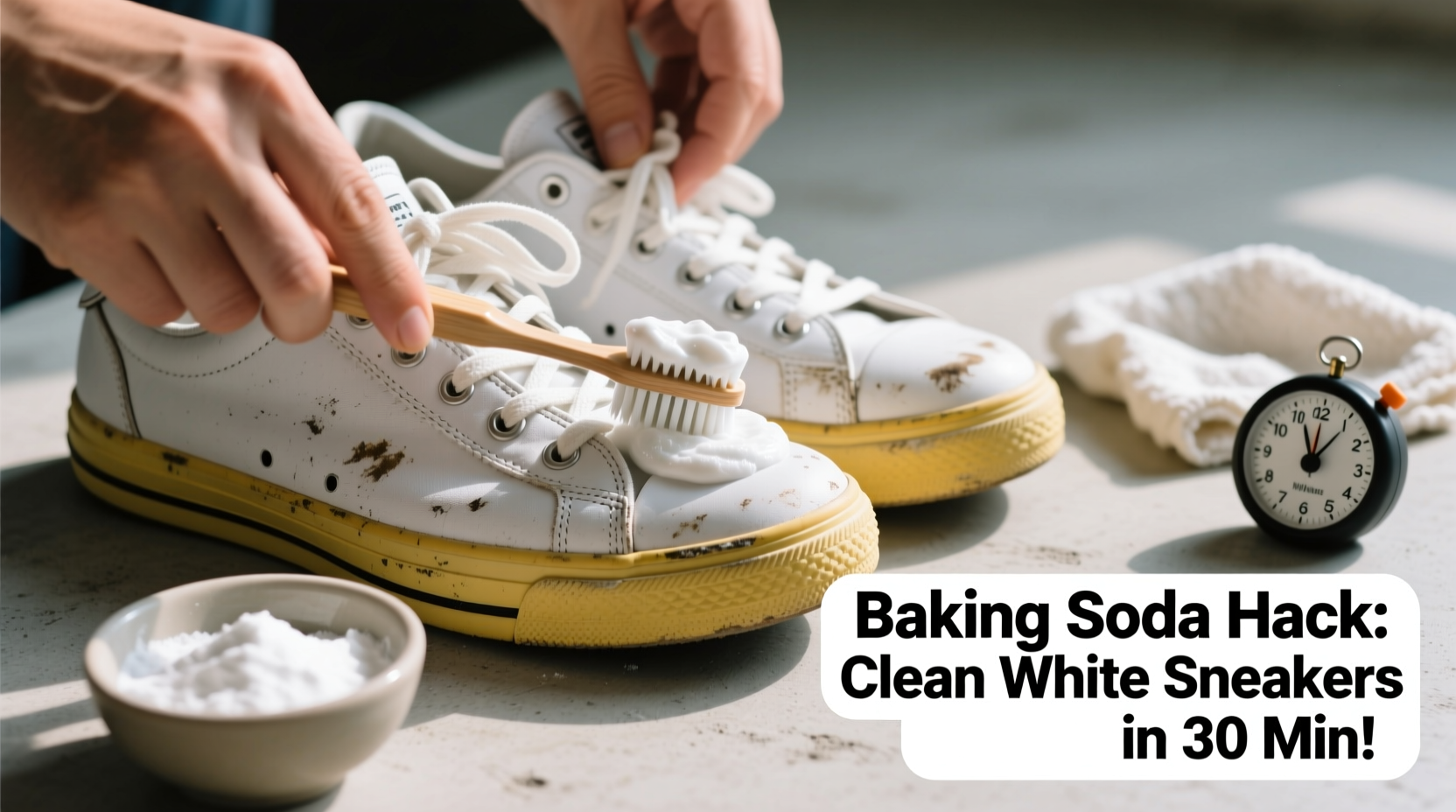
Baking soda, or sodium bicarbonate, is a naturally occurring alkaline compound with a pH of around 8.3. Its slightly abrasive texture makes it ideal for scrubbing away surface-level dirt and stains without scratching delicate materials like canvas, mesh, or synthetic leather. More importantly, baking soda neutralizes acids and breaks down organic compounds—such as sweat residue, mud, and food spills—that often cause odors and discoloration.
When mixed with water or other mild agents like hydrogen peroxide or vinegar, baking soda forms a reactive paste that lifts embedded grime from fabric fibers. Unlike bleach-based products, which can weaken textiles over time, baking soda works gently while still delivering visible results. It's also non-toxic, inexpensive, and widely available, making it an accessible solution for regular sneaker maintenance.
“Baking soda is one of the safest and most effective natural cleaning agents for textiles. Its dual action—mechanical exfoliation and chemical neutralization—makes it perfect for restoring white sneakers.” — Dr. Lena Torres, Textile Chemist & Material Scientist
Step-by-Step Guide: Deep Clean White Sneakers with Baking Soda
Cleaning white sneakers isn’t just about aesthetics—it’s about preserving their structure and comfort. A thorough cleaning removes bacteria, prevents odor buildup, and stops minor stains from becoming permanent. Follow this detailed process to bring your worn-out kicks back to life.
- Remove laces and insoles: Take out the shoelaces and pull out the insoles (if removable). Wash laces separately by soaking them in warm, soapy water or placing them in a mesh laundry bag for machine washing. Insoles should be hand-washed with mild soap and air-dried.
- Dry brush first: Use a soft-bristle toothbrush or sneaker brush to remove loose dirt, dust, and dried mud from the upper, midsole, and outsole. Focus on seams and grooves where debris collects.
- Prepare the cleaning paste: In a small bowl, mix 1 tablespoon of baking soda with 1 tablespoon of hydrogen peroxide and 1 tablespoon of water. Stir until smooth. The hydrogen peroxide enhances whitening and disinfecting properties without bleaching fabric aggressively.
- Apply the paste: Using a clean toothbrush or small sponge, apply the paste directly to stained or yellowed areas. Work in circular motions, especially along the rubber midsole and toe cap, where yellowing is most common.
- Let it sit: Allow the paste to dwell for 15–20 minutes. Do not let it dry completely; if it starts cracking, lightly mist with water.
- Scrub gently: Re-brush the treated areas with moderate pressure. Avoid excessive scrubbing on glue seams or logos to prevent peeling.
- Rinse thoroughly: Wipe off the paste with a damp microfiber cloth. For best results, rinse under lukewarm running water (avoid submerging entire shoe unless made entirely of canvas).
- Air dry properly: Stuff shoes with crumpled paper towels or use sneaker trees to maintain shape. Place in a well-ventilated area away from direct sunlight or heat sources, which can warp materials and accelerate yellowing.
Alternative Baking Soda Hacks for Specific Issues
Different types of wear require targeted solutions. Here are three specialized baking soda applications for common sneaker problems.
1. Removing Yellowing on Rubber Soles
Yellowed midsoles are a major frustration. This discoloration often results from oxidation, UV exposure, or residual detergent buildup. To reverse it:
- Mix 2 parts baking soda with 1 part water to form a thick paste.
- Apply only to the rubber sole using an old toothbrush.
- Wrap the sole in plastic wrap to slow drying and increase contact time.
- Leave for 1 hour, then scrub and rinse.
This method lifts oxidized layers without eroding the rubber.
2. Eliminating Odors from Inside the Shoe
Sweat and bacteria build up inside sneakers, causing persistent smells. Baking soda excels here due to its odor-neutralizing abilities.
- Sprinkle 1–2 teaspoons of dry baking soda inside each shoe.
- Let sit overnight.
- Vacuum or shake out thoroughly before wearing.
For stronger odors, add a few drops of tea tree oil to the baking soda before applying—it has natural antimicrobial properties.
3. Cleaning Canvas Uppers Without Fading
Canvas is porous and prone to water spots if cleaned improperly. For spotless results:
- Dip a cloth in a mixture of equal parts baking soda and water.
- Gently dab (don’t rub) stained areas.
- Wipe with a clean damp cloth to remove residue.
- Air dry flat to prevent warping.
Do’s and Don’ts of Baking Soda Sneaker Care
| Do | Don’t |
|---|---|
| Test the paste on a small, hidden area first (like the heel tab) | Use undiluted vinegar with baking soda directly on the shoe—it creates fizz but reduces effectiveness and may leave residue |
| Use cold or lukewarm water—hot water can set stains | Soak leather or suede sneakers; they absorb water and can warp or crack |
| Store cleaned sneakers in breathable cotton bags | Place near radiators or in direct sun to speed drying—this causes yellowing |
| Reapply baking soda treatments monthly for maintenance | Scrub aggressively with metal brushes or steel wool—this damages finishes |
| Combine baking soda with gentle dish soap for oily stains | Mix with chlorine bleach—this produces toxic fumes |
Real Example: Reviving a Year-Old Pair of Classic White Canvas Shoes
Jamal, a college student in Chicago, wore his favorite white canvas sneakers nearly every day during his freshman year. By spring break, they were stained with sidewalk grime, coffee spills, and grass marks. The rubber soles had turned yellow, and the insides smelled faintly sour. He tried wiping them down with wipes, but the stains remained.
After reading about baking soda remedies, he decided to try the hydrogen peroxide paste method. He removed the laces, brushed off surface dirt, and applied the paste to both the uppers and soles. After letting it sit for 20 minutes, he scrubbed gently and rinsed with a damp cloth. To tackle odor, he sprinkled baking soda inside and left it overnight.
The next morning, the difference was striking. The canvas looked noticeably whiter, with most stains gone. The midsole regained its bright white hue, and the smell disappeared completely. Jamal now cleans his sneakers every four weeks using the same method, keeping them rotation-ready.
Essential Checklist: Keep Your White Sneakers Fresh
Follow this checklist regularly to maintain your sneakers between deep cleanings:
- ✅ Brush off dirt after each wear
- ✅ Remove insoles and air them out weekly
- ✅ Spot-clean stains within 24 hours
- ✅ Deodorize monthly with baking soda
- ✅ Deep clean with baking soda paste every 4–6 weeks
- ✅ Store in a cool, dry place away from sunlight
- ✅ Use sneaker shields or sprays to repel future stains
Frequently Asked Questions
Can I use baking soda on leather white sneakers?
Yes, but with caution. Use a very light paste (1 tsp baking soda + 1 tsp water) and apply gently with a soft cloth. Avoid soaking and wipe clean immediately. Finish with a leather conditioner to prevent drying. Never use vinegar-based mixtures on leather.
Why do my white sneakers turn yellow after cleaning?
Yellowing usually occurs due to exposure to sunlight or heat during drying. UV rays trigger oxidation in certain materials, especially EVA foam found in midsoles. Always dry sneakers indoors, away from windows or heaters. Residual detergent or incomplete rinsing can also cause yellow film—rinse thoroughly and avoid strong detergents.
How often should I deep clean my white sneakers?
Every 4 to 6 weeks for regular wear. If you live in a rainy or dusty environment, or wear them daily, consider cleaning every 3 weeks. Light brushing and deodorizing should be done weekly to prevent buildup.
Conclusion: Restore, Maintain, Repeat
Clean white sneakers don’t require expensive products or professional services. With a box of baking soda and a little consistency, you can achieve dramatic results at home. The key lies in understanding your sneaker’s material, acting promptly on stains, and avoiding shortcuts like machine washing or rapid drying. Whether you’re refreshing a beloved pair of classics or prepping for summer outings, these baking soda hacks offer a sustainable, effective way to keep your footwear looking sharp.




 浙公网安备
33010002000092号
浙公网安备
33010002000092号 浙B2-20120091-4
Comments
No comments yet. Why don't you start the discussion?