
White sneakers are a wardrobe staple—versatile, stylish, and easy to pair with almost any outfit. But their pristine appearance comes at a cost: they show every scuff, dirt mark, and stain. Worse yet, improper cleaning can cause them to turn yellow over time, especially around the soles and toe box. This discoloration isn’t just unsightly—it often signals irreversible damage from harsh chemicals, UV exposure, or trapped moisture.
The good news is that yellowing is preventable. With the right tools, techniques, and understanding of materials, you can keep your white sneakers looking fresh without risking damage. This comprehensive guide walks you through science-backed cleaning methods, material-specific care, and long-term preservation strategies to maintain brightness and avoid yellow stains for good.
Why White Sneakers Turn Yellow After Cleaning
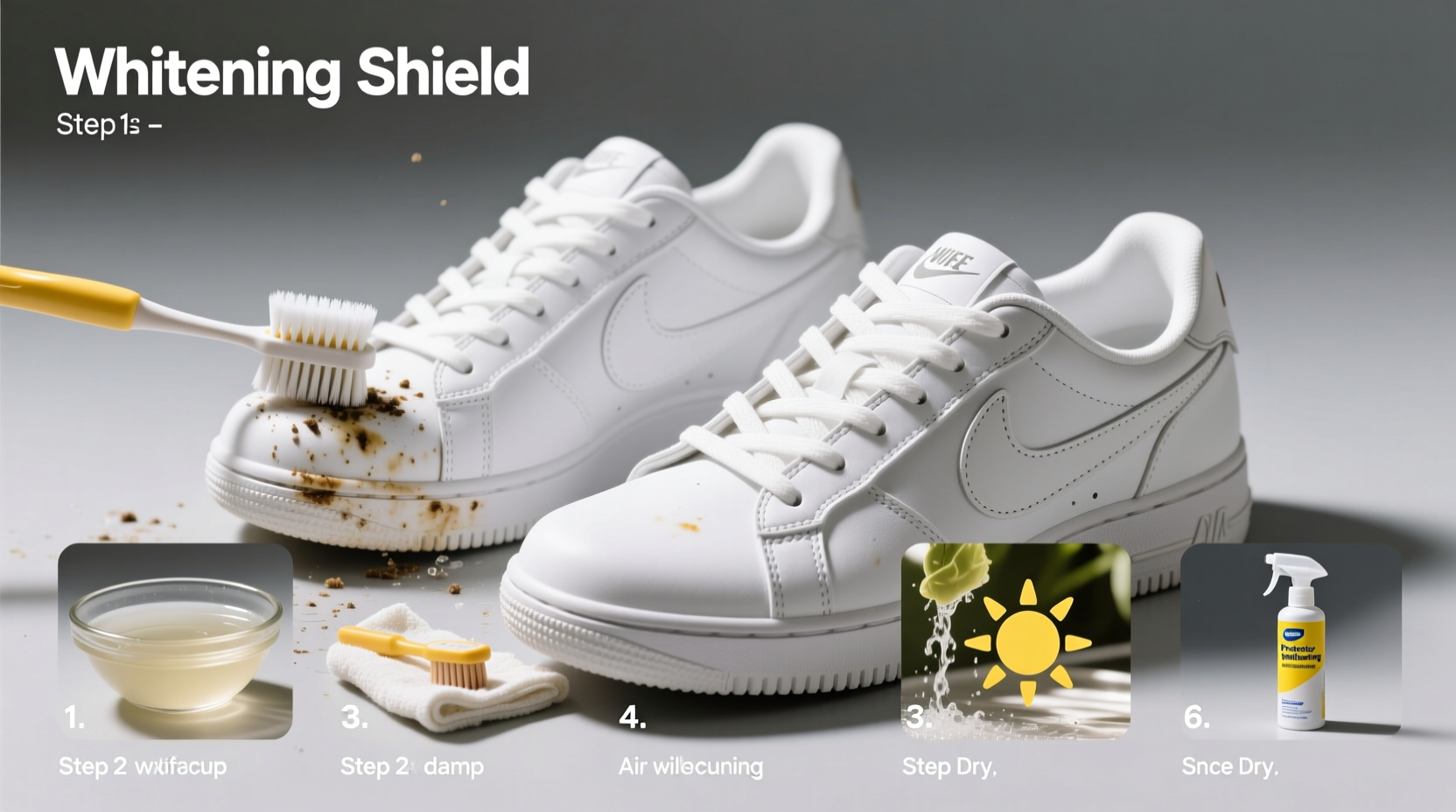
Yellowing in white sneakers typically occurs due to one or more of the following factors:
- Oxidation from sunlight: UV rays trigger chemical reactions in rubber and synthetic materials, causing them to yellow—a process similar to paper aging.
- Residual detergent buildup: Laundry detergents containing bleach, optical brighteners, or enzymes can leave residues that darken or yellow when exposed to heat or air.
- Improper drying: Air-drying sneakers in direct sunlight accelerates oxidation. Using a dryer applies excessive heat, degrading adhesives and discoloring fabrics.
- Reactions with cleaning agents: Hydrogen peroxide, when mixed incorrectly (e.g., with baking soda in high concentrations), can degrade fabric fibers and lead to discoloration over time.
- Trapped sweat and oils: Body oils, dirt, and salt from sweat penetrate the upper fabric and midsole, creating a breeding ground for bacteria and staining.
“Many people think scrubbing harder or using bleach will make sneakers whiter, but it’s usually the opposite. Aggressive chemicals break down polymers in rubber and fabric, accelerating yellowing.” — Dr. Lena Park, Textile Chemist at Advanced Footwear Research Lab
Step-by-Step Guide to Safely Clean White Sneakers
Cleaning white sneakers properly requires patience and precision. Follow this detailed sequence to remove dirt while preserving color integrity.
- Remove laces and insoles: Take out the laces and insoles to clean them separately. Soak laces in warm water with mild detergent. Insoles should be gently wiped with a damp cloth and mild soap; never soak them fully unless specified by the manufacturer.
- Dry brush loose debris: Use a soft-bristle toothbrush or sneaker cleaning brush to remove surface dust, mud, and lint from the upper, sides, and grooves of the sole.
- Prepare a gentle cleaning solution: Mix one tablespoon of mild liquid dish soap (free of dyes and bleach) with two cups of lukewarm water. Avoid laundry detergents—they’re too harsh for delicate sneaker materials.
- Clean the upper fabric: Dip a microfiber cloth or soft brush into the solution, wring it out well, and gently scrub the canvas, leather, or mesh upper in circular motions. Focus on stained areas but avoid oversaturating the material.
- Tackle the midsole and outsole: For rubber soles, use an old toothbrush dipped in the same solution. For stubborn yellowing on rubber, apply a paste made of one part baking soda and two parts water. Scrub gently—never use bleach or acetone-based cleaners.
- Rinse carefully: Wipe away soap residue with a clean, damp cloth. Do not submerge the entire shoe in water, as this weakens glue bonds and padding.
- Air-dry properly: Stuff shoes with white paper towels or clean cotton rags to absorb moisture and maintain shape. Place them in a well-ventilated, shaded area—never in direct sunlight or near heaters.
- Reassemble: Once completely dry (usually after 12–24 hours), reinsert insoles and relace the cleaned laces.
Optional: Deep Whitening for Yellowed Rubber
If your sneaker soles already show mild yellowing, consider a targeted treatment using hydrogen peroxide and oxygen-based release:
- Mix equal parts 3% hydrogen peroxide and water in a spray bottle.
- Spray directly onto the yellowed rubber areas.
- Wrap the soles in plastic wrap to slow evaporation and enhance contact time.
- Leave in indirect light for 2–4 hours (not direct sun).
- Wipe clean with a damp cloth and air-dry as above.
Material-Specific Care Tips
Not all white sneakers are created equal. The cleaning method must align with the shoe’s construction materials to avoid damage.
| Material | Cleaning Method | Avoid |
|---|---|---|
| Canvas | Hand wash with mild soap and water. Use soft brush for stains. | Machines, bleach, soaking for long periods |
| Leather (genuine or synthetic) | Wipe with leather-safe cleaner or damp microfiber cloth. Condition after drying. | Excessive water, alcohol wipes, direct sunlight |
| Mesh/Knit (e.g., Nike Flyknit, Adidas Primeknit) | Spot clean only. Use minimal moisture and gentle pressure. | Scrubbing aggressively, machine washing |
| Rubber Soles | Baking soda paste or diluted hydrogen peroxide for yellowing. | Bleach, steel wool, abrasive pads |
| Suede/Nubuck | Use a suede eraser or specialized brush. Spot clean with vinegar-water mix if needed. | Water immersion, standard soap, regular brushes |
Real Example: Recovering Discolored Stan Smiths
Mark, a graphic designer in Portland, wore his white Adidas Stan Smiths daily for six months. After washing them in the machine with regular detergent, he noticed the green heel tabs faded and the white leather turned slightly yellow near the seams. He stopped using machines and switched to manual cleaning.
Using a mixture of baking soda and water, he gently scrubbed the rubber stripes and applied a leather conditioner recommended by a local cobbler. He stored the shoes in a breathable cotton bag away from windows. Within three weeks of consistent care, the yellow tint diminished significantly, and the shoes regained much of their original luster—without further damage.
Do’s and Don’ts of Sneaker Maintenance
To reinforce best practices, here’s a clear comparison of what to do—and what to avoid—when caring for white sneakers.
| Do’s | Don’ts |
|---|---|
| Use a soft brush and pH-neutral cleaner | Use bleach or household disinfectants |
| Stuff shoes with paper after cleaning | Place wet sneakers near radiators or in direct sun |
| Clean shoes regularly before stains set in | Wait until sneakers are heavily soiled to clean |
| Rotate between multiple pairs to reduce wear | Wear the same sneakers every day without rest |
| Apply protective sprays designed for footwear | Use fabric protectants meant for upholstery or carpets |
Frequently Asked Questions
Can I put my white sneakers in the washing machine?
It’s strongly discouraged. The agitation and heat weaken glues, distort shapes, and accelerate yellowing—especially in foam midsoles. Hand cleaning is always safer and more effective for maintaining quality and color.
Why do my sneakers yellow even when I don’t wear them?
Even unworn sneakers can yellow due to environmental exposure. UV light, ozone in the air, and humidity contribute to polymer degradation in rubber and EVA foam. Store them in a dark, dry place with airflow, ideally in breathable shoe bags.
Is baking soda safe for all white sneakers?
Baking soda is generally safe for rubber and durable uppers like leather or canvas when used as a paste and rinsed thoroughly. However, it’s too abrasive for delicate knit or mesh materials. Always spot-test first and use gentle pressure.
Prevention Checklist: Keep Your Sneakers Bright Long-Term
Consistent maintenance beats deep cleaning any day. Use this checklist weekly to preserve your sneakers’ appearance:
- ✅ Remove surface dirt with a dry brush after each wear
- ✅ Wipe off mud or spills immediately with a damp cloth
- ✅ Rotate between at least two pairs of white sneakers
- ✅ Apply a protective repellent spray monthly
- ✅ Store in a cool, dark closet with good ventilation
- ✅ Inspect soles and stitching monthly for early signs of wear
- ✅ Perform a full cleaning every 2–3 weeks depending on usage
Conclusion: Clean Smart, Not Hard
Keeping white sneakers white isn’t about aggressive scrubbing or miracle products—it’s about consistent, informed care. Yellowing is preventable when you understand the chemistry behind it and treat your sneakers as technical garments rather than disposable fashion items. By choosing gentle cleaners, avoiding UV exposure, and drying with care, you preserve both aesthetics and structural integrity.
Every pair of sneakers tells a story through its wear—but it shouldn’t be one of neglect. A few minutes of mindful maintenance each week can extend the life of your favorites by years. Start today: grab a soft brush, mix a safe cleaning solution, and give your whites the attention they deserve.




 浙公网安备
33010002000092号
浙公网安备
33010002000092号 浙B2-20120091-4
Comments
No comments yet. Why don't you start the discussion?