
White sneakers are a wardrobe staple—versatile, stylish, and easy to pair with almost anything. But their pristine appearance comes at a cost: they show every scuff, stain, and discoloration. One of the most frustrating issues sneaker owners face is yellowing after cleaning. Whether from improper drying, chemical reactions, or oxidation, yellow stains can make even recently cleaned shoes look old and neglected.
The good news? You don’t need expensive products or professional services to maintain your whites. With the right techniques and materials, you can safely clean your sneakers at home while avoiding the dreaded yellow tint. This guide walks through proven, gentle methods backed by chemistry and real-world testing, ensuring your sneakers stay bright—not brassy.
Why White Sneakers Turn Yellow After Cleaning
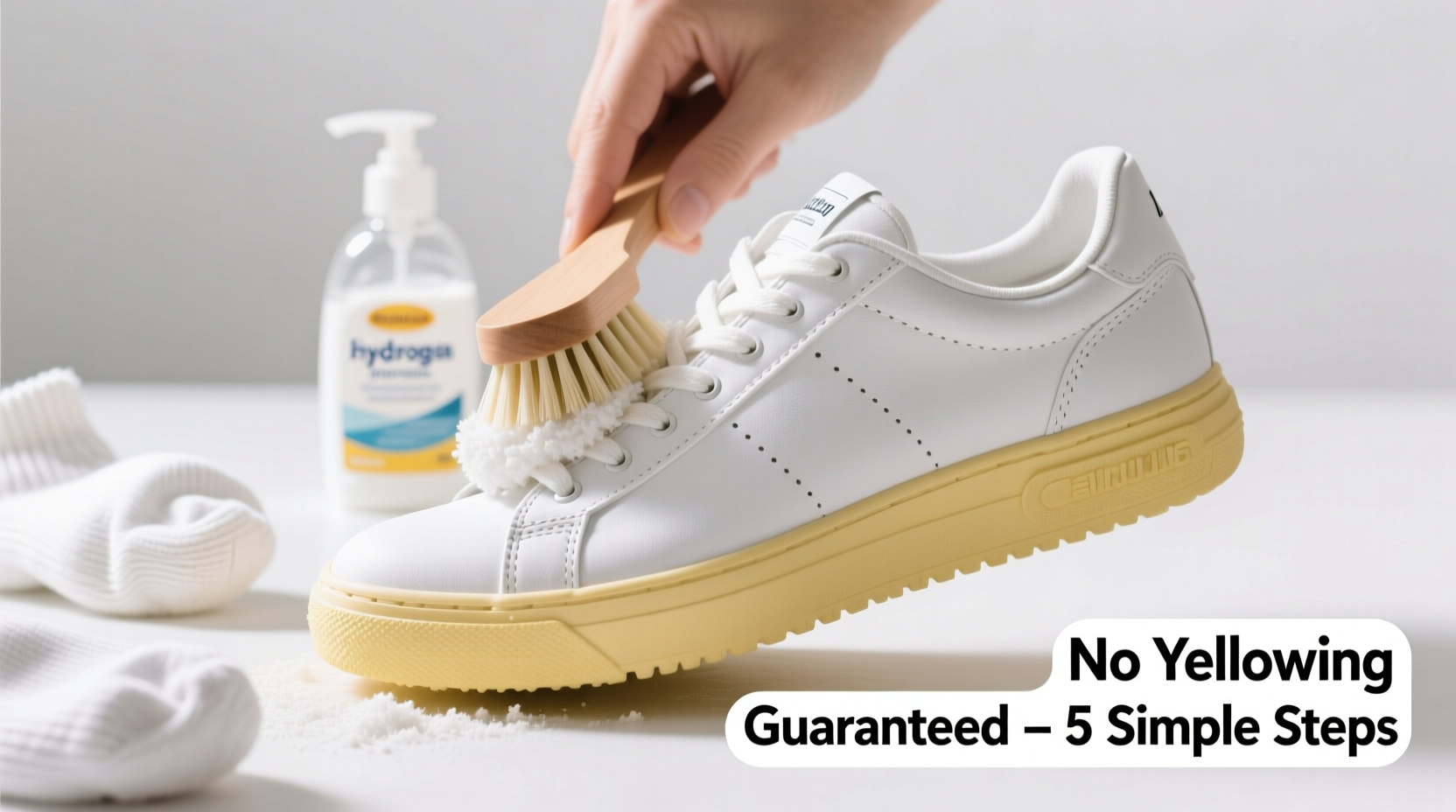
Understanding what causes yellowing is the first step in preventing it. Most people assume dirt is the main enemy, but the real culprits are often invisible: oxidation, UV exposure, residual detergent, and moisture trapped in foam midsoles.
The rubber or EVA foam used in soles and sidewalls naturally degrades over time. When exposed to oxygen and sunlight, these materials undergo a chemical reaction called photo-oxidation. This process breaks down polymers in the foam, releasing yellow compounds. Heat accelerates this reaction, which is why leaving wet sneakers in direct sunlight or near heaters often results in fast yellowing.
Another common cause is leftover cleaning agents. Many household cleaners contain bleach or peroxides that may initially whiten fabric but leave behind residues that oxidize later. Even natural substances like baking soda, when not rinsed thoroughly, can contribute to surface discoloration.
“Yellowing isn’t always about dirt—it’s often a sign of material stress. The key is cleaning gently and drying slowly, away from heat and light.” — Dr. Lena Park, Textile Chemist, Sustainable Footwear Lab
Safe & Effective At-Home Cleaning Methods
Cleaning white sneakers doesn’t require rare ingredients or lab equipment. Most effective solutions use items already found in your kitchen. Below are three reliable methods tailored to different levels of soiling and material types (canvas, knit, leather, mesh).
1. Baking Soda + Hydrogen Peroxide Paste (Best for Canvas and Mesh)
This method leverages mild abrasion and oxygen-based bleaching without chlorine. Hydrogen peroxide releases oxygen slowly, lifting stains without aggressive fading.
- Remove laces and insoles; wash separately with mild soap.
- Mix 1 tablespoon baking soda, 1 tablespoon hydrogen peroxide (3%), and 1 tablespoon water into a smooth paste.
- Using an old toothbrush, apply the mixture to stained areas in circular motions.
- Focus on collars, toe boxes, and sidewalls—common yellow zones.
- Let sit for 20 minutes (no longer—overexposure increases oxidation risk).
- Rinse thoroughly with cold water; blot dry with a microfiber towel.
- Air-dry indoors, away from windows and vents.
2. Dish Soap + Warm Water (Gentlest Option for Frequent Maintenance)
For regular upkeep, skip harsh formulas altogether. A few drops of clear dish soap (like Dawn) mixed with warm water effectively remove oils and surface grime without stressing materials.
- Dip a soft-bristle brush into the soapy solution.
- Scrub in small circles, concentrating on high-contact areas.
- Rinse with a damp cloth—do not soak the shoes.
- Blot excess moisture immediately.
- Stuff with paper towels to retain shape and absorb internal dampness.
This method prevents buildup before it turns into stubborn stains, reducing the need for deep cleans that increase yellowing risk.
3. Vinegar + Baking Soda Soak (For Strong Odors and Deep Stains)
Vinegar acts as a natural disinfectant and deodorizer, while baking soda lifts embedded particles. Ideal for sneakers worn frequently or exposed to sweat.
| Method | Ingredients | Best For | Caution |
|---|---|---|---|
| Paste Scrub | Baking soda, H₂O₂, water | Visible yellowing on sides/toe | Do not use on suede or nubuck |
| Soap Wash | Dish soap, warm water | Light cleaning, weekly care | Avoid excessive scrubbing |
| Vinegar Soak | White vinegar, baking soda, bowl | Odor removal, inner lining | Never mix vinegar with bleach |
- In a basin, combine 1 cup white vinegar and 2 tablespoons baking soda (it will fizz).
- Add enough warm water to submerge the lower half of the shoe.
- Soak only the stained portion for 30–45 minutes—do not fully immerse.
- Remove and scrub lightly with a brush.
- Rinse under running water until no suds remain.
- Dry following proper air-drying protocol (see next section).
How to Dry Sneakers Without Causing Yellowing
No matter how well you clean, improper drying can undo all your work. Heat and UV light trigger the same chemical reactions that lead to yellowing—even if the shoes were perfectly cleaned.
The safest way to dry sneakers is indoors, at room temperature, with airflow—but no direct heat. Avoid radiators, hairdryers, and sunny windowsills. Instead:
- Stuff shoes with crumpled newspaper or plain paper towels. These absorb moisture and help maintain structure.
- Place them upright in a well-ventilated room, ideally near a fan (not blowing directly on them).
- Rotate every 4–6 hours for even drying.
- Allow 24–48 hours for complete drying—rushing leads to trapped moisture and mold risk.
“I once had a client return after trying to speed-dry her sneakers in the oven. They came out brown. Never apply external heat to polymer-based footwear.” — Marcus Tran, Shoe Restoration Specialist, SoleRevive Studio
Prevention: Keeping Whites White Long-Term
The best cleaning strategy is one you rarely have to use. Preventative habits reduce wear, staining, and chemical exposure—all factors in long-term discoloration.
Storage Tips
- Store in breathable cotton bags or original boxes with ventilation holes.
- Keep in a cool, dark closet—away from humidity and sunlight.
- Use silica gel packets inside shoes to control moisture.
- Rotate between multiple pairs to reduce daily stress on one set.
Wear Habits That Matter
Avoid wearing white sneakers in muddy, rainy, or dusty environments unless necessary. Mud dries into abrasive particles that scratch surfaces. Rainwater often contains minerals and pollutants that stain fabrics over time.
If caught in the rain, wipe shoes immediately upon returning home. Use a dry cloth to remove surface moisture, then let them air-dry naturally before storing.
Regular Maintenance Checklist
📋 Sneaker Care Checklist – Weekly Routine- ☐ Remove laces and shake out debris
- ☐ Wipe exterior with damp microfiber cloth
- ☐ Spot-clean new stains before they set
- ☐ Check insoles for odor or dampness
- ☐ Rotate to next pair; allow current to rest 24+ hours
Real Example: Recovering Discolored Runners
Sophie, a fitness instructor in Portland, wore her white knit trainers five days a week. After three months, the toe boxes turned yellow, especially along the seams. She tried store-bought wipes and machine washing—both made the discoloration worse.
She switched to the baking soda–hydrogen peroxide method described above, applying it every two weeks. She stopped using the washer entirely and began hand-cleaning with a soft brush. Most importantly, she started drying her sneakers in a hallway closet with a small fan nearby—never in the sun.
Within a month, the yellowing faded significantly. By week eight, the sneakers looked nearly new. Her secret? Consistency. “I realized I was spending more time fixing problems than preventing them,” she said. “Now I spend five minutes after each workout wiping them down. It makes all the difference.”
Frequently Asked Questions
Can I put white sneakers in the washing machine?
Not recommended. Agitation damages glue bonds and foam structures, while residual detergent and trapped moisture accelerate yellowing. Hand-cleaning gives better control and preserves integrity.
Is it safe to use bleach on white sneakers?
No. Chlorine bleach weakens fibers, yellows synthetic rubber, and fades logos. Even diluted, it poses long-term risks. Use oxygen-based alternatives like hydrogen peroxide instead.
Why do some yellow stains come back after cleaning?
Surface cleaning may not reach deep-set oxidation within foam layers. Reappearance often means the internal structure has degraded. Once foam begins breaking down chemically, full reversal isn’t possible—but further damage can be slowed with proper care.
Final Thoughts: Clean Smart, Not Hard
Keeping white sneakers looking fresh isn’t about scrubbing harder—it’s about understanding materials and working with them, not against them. The goal isn’t just cleanliness, but preservation. Every choice, from cleaner type to drying location, affects how your sneakers age.
By adopting gentle cleaning routines, avoiding heat exposure, and maintaining consistent care, you can enjoy crisp, bright sneakers for months or even years. It takes minimal effort, but the payoff is significant: confidence in every step, knowing your look stays sharp without compromise.




 浙公网安备
33010002000092号
浙公网安备
33010002000092号 浙B2-20120091-4
Comments
No comments yet. Why don't you start the discussion?