
White sneakers are a timeless fashion staple—versatile, stylish, and capable of elevating any casual outfit. But their pristine appearance comes at a cost: they’re prone to scuffs, dirt buildup, and worst of all, yellowing over time. Many people unknowingly accelerate this discoloration with improper cleaning techniques or harsh products. The good news is that yellowing isn’t inevitable. With the right approach, you can keep your white sneakers bright for months—or even years—without resorting to bleach or damaging solutions.
Yellowing typically occurs due to oxidation, exposure to sunlight, residue from detergents, or trapped moisture in the material. Canvas, mesh, rubber, and synthetic uppers each react differently to cleaning agents and environmental factors. Understanding these dynamics is key to maintaining brightness safely and effectively. This guide breaks down scientifically sound and field-tested strategies to clean your white sneakers while preserving their original color and structural integrity.
Understanding Why White Sneakers Yellow
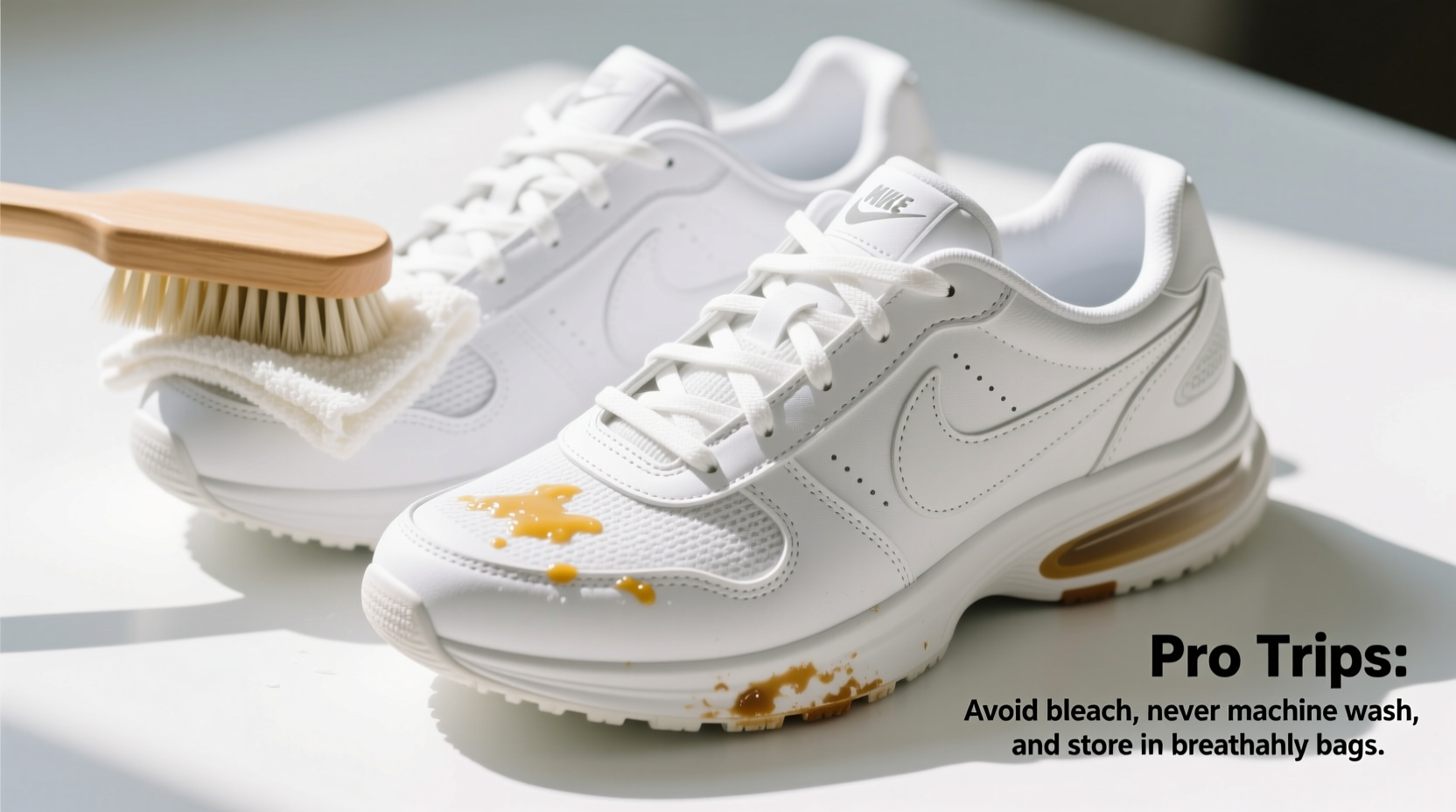
Before diving into cleaning methods, it’s essential to understand what causes yellowing. Contrary to popular belief, it's rarely just dirt. Several underlying factors contribute:
- Oxidation: When materials like EVA foam (commonly used in soles) are exposed to oxygen and UV light, they undergo chemical changes that result in yellow or brown tints.
- Detergent Residue: Leftover soap or laundry detergent can attract dirt and oxidize, creating a yellow film on fabric surfaces.
- Improper Drying: Air-drying sneakers in direct sunlight accelerates oxidation, especially in rubber and foam components.
- Perspiration and Oils: Sweat, skin oils, and environmental pollutants seep into fibers and degrade materials over time.
- Chlorine or Bleach Exposure: Even diluted bleach can break down polymers in sneakers, leading to discoloration rather than whitening.
“Many customers bring in sneakers expecting a full restoration, only to find out that past use of bleach has permanently degraded the materials.” — Marcus Lin, Footwear Restoration Technician at SoleRebels Studio
Knowing the root cause helps avoid repeating mistakes. Prevention begins not just with how you clean, but also how you dry, store, and maintain your footwear between uses.
Safe Cleaning Methods That Prevent Yellowing
Cleaning white sneakers doesn’t require extreme measures. In fact, gentler methods often yield longer-lasting results. Below are three effective, non-yellowing techniques tailored to different sneaker types.
1. Manual Brush & Mild Soap Method (Best for Canvas and Fabric)
This low-risk method works well for everyday maintenance and light stains.
- Remove laces and insoles to clean separately.
- Mix a few drops of mild dish soap (like Dawn) with warm water.
- Dip a soft-bristle toothbrush or sneaker brush into the solution.
- Gently scrub in small circular motions, focusing on stained areas.
- Rinse the brush frequently and avoid soaking the shoe.
- Wipe away suds with a damp microfiber cloth.
- Blot excess moisture with a dry towel.
2. Baking Soda + Hydrogen Peroxide Paste (For Tougher Stains)
A powerful yet gentle alternative to bleach. This combination lifts stains without degrading fibers.
Mix two parts baking soda with one part hydrogen peroxide (3%) to form a thick paste. Apply it to stained areas using a toothbrush. Let sit for 60–90 minutes—not longer—then wipe off with a damp cloth. Do not rinse under running water. Allow to air dry indoors, away from sunlight.
Why it works: Baking soda acts as a mild abrasive, while hydrogen peroxide is an oxygen-based cleaner that breaks down organic stains without leaving harmful residues.
3. Machine Wash (Only for Durable Mesh or Synthetic Models)
Some athletic sneakers, such as certain models from Nike, Adidas, or New Balance, can tolerate machine washing—but with strict precautions.
| Do’s | Don’ts |
|---|---|
| Use cold water setting | Never use hot water |
| Place shoes in a pillowcase to reduce agitation | Don’t wash with heavy items like jeans or towels |
| Add half a cap of liquid detergent | Avoid bleach or optical brighteners |
| Run an extra rinse cycle | Never put in the dryer |
After washing, stuff shoes with paper towels to retain shape and absorb moisture. Replace paper every few hours until fully dry—this usually takes 24–48 hours.
How to Dry Sneakers Without Causing Discoloration
Drying is where most people make the critical error that leads to yellowing. Sunlight may seem like a fast drying solution, but UV rays trigger oxidative reactions in rubber and foam midsoles, turning them yellow within days.
The safest drying protocol:
- Always dry indoors, in a well-ventilated room.
- Keep shoes away from radiators, heaters, or vents that emit hot air.
- Stuff with crumpled newspaper or dry paper towels to draw out moisture.
- Replace stuffing every 4–6 hours during the first day.
- Position shoes sole-up near a fan if needed, but avoid direct airflow.
“I’ve restored hundreds of sneakers, and 80% of yellowing cases were caused by post-wash sun drying. Shade drying takes longer, but preserves color for months longer.” — Lena Torres, Professional Sneaker Care Specialist
For faster drying without risk, consider using sneaker drying racks with built-in airflow systems. These devices circulate ambient-temperature air through the shoe interior, reducing drying time by up to 50% without heat exposure.
Prevention Checklist: Long-Term Protection Against Yellowing
Cleaning is only half the battle. Maintaining brightness requires consistent preventive habits. Follow this checklist to extend the life and whiteness of your sneakers:
- ✅ Clean sneakers every 2–3 weeks with a soft brush and mild soap
- ✅ Use waterproofing sprays designed for fabric or leather (reapply monthly)
- ✅ Rotate between multiple pairs to reduce wear and sweat buildup
- ✅ Store in breathable cotton bags or original boxes, away from windows
- ✅ Avoid wearing white sneakers in muddy or rainy conditions when possible
- ✅ Remove insoles occasionally and air them out separately
- ✅ Never use chlorine bleach, magic erasers, or undiluted vinegar
Water-repellent sprays create a barrier against dirt and moisture without altering breathability. Look for silicone-free, eco-friendly formulas labeled safe for whites. Reapplication after cleaning ensures continued protection.
Real Example: Recovering a Yellowed Pair Safely
Jamal, a college student in Chicago, had a favorite pair of white canvas sneakers he wore daily for six months. After trying a viral TikTok hack involving bleach and sunlight, the soles turned deep yellow and the fabric felt brittle. He stopped wearing them, assuming they were ruined.
He later consulted a local sneaker care service, where technicians used a multi-step process: first removing surface residue with a vinegar-water mist (1:3 ratio), then applying a hydrogen peroxide paste only to the rubber soles, covered with plastic wrap to limit UV exposure. The shoes dried indoors for 36 hours. After two treatments spaced a week apart, the yellowing reduced by about 70%, and the canvas regained softness with proper conditioning.
The key takeaway? Even damaged sneakers can be partially restored—if further damage is avoided. No method brings back 100% factory white, but careful treatment slows future degradation significantly.
Frequently Asked Questions
Can I use toothpaste to clean white sneakers?
While some people report success with white toothpaste (not gel), it’s not recommended long-term. Most toothpastes contain abrasives and whitening agents like sodium bicarbonate or silica that can wear down fabric and leave residues. Over time, this contributes to uneven coloring and texture loss. Stick to tested cleaning pastes instead.
Why do my sneaker soles turn yellow even when I don’t wear them?
This is due to natural aging of ethylene-vinyl acetate (EVA) foam, which degrades when exposed to oxygen and indoor lighting—even artificial light contains small amounts of UV. To slow this, store sneakers in dark, cool places with minimal air exposure. Some collectors use airtight containers with silica gel packs to preserve rare kicks.
Is there a way to reverse yellowing completely?
Complete reversal is nearly impossible once polymer breakdown occurs. However, topical treatments like the hydrogen peroxide and baking soda paste can lighten yellowed rubber significantly. For canvas, re-whitening is more achievable if the fibers haven’t been chemically damaged. Prevention remains far more effective than correction.
Final Tips for Lasting Brightness
Maintaining white sneakers without yellowing comes down to consistency, patience, and avoiding shortcuts. Harsh chemicals might deliver instant results, but they compromise material longevity. Instead, adopt a routine that emphasizes gentle cleaning, thorough rinsing, shade drying, and proactive protection.
Investing 15 minutes every few weeks pays off in extended wear life and sustained appearance. Think of sneaker care as routine hygiene—just like brushing your teeth or washing your face, regular attention prevents bigger problems later.




 浙公网安备
33010002000092号
浙公网安备
33010002000092号 浙B2-20120091-4
Comments
No comments yet. Why don't you start the discussion?