
Gaming consoles are powerful machines that generate significant heat during extended use. Over time, dust accumulation inside the system can block airflow, reduce cooling efficiency, and lead to overheating—resulting in performance throttling, unexpected shutdowns, or even permanent hardware failure. Regular cleaning is not just about appearance; it's a critical maintenance task that extends the life of your device and ensures smooth gameplay. This guide provides a comprehensive, step-by-step approach to safely and effectively clean your gaming console, regardless of brand or model.
Why Dust Causes Overheating and System Crashes
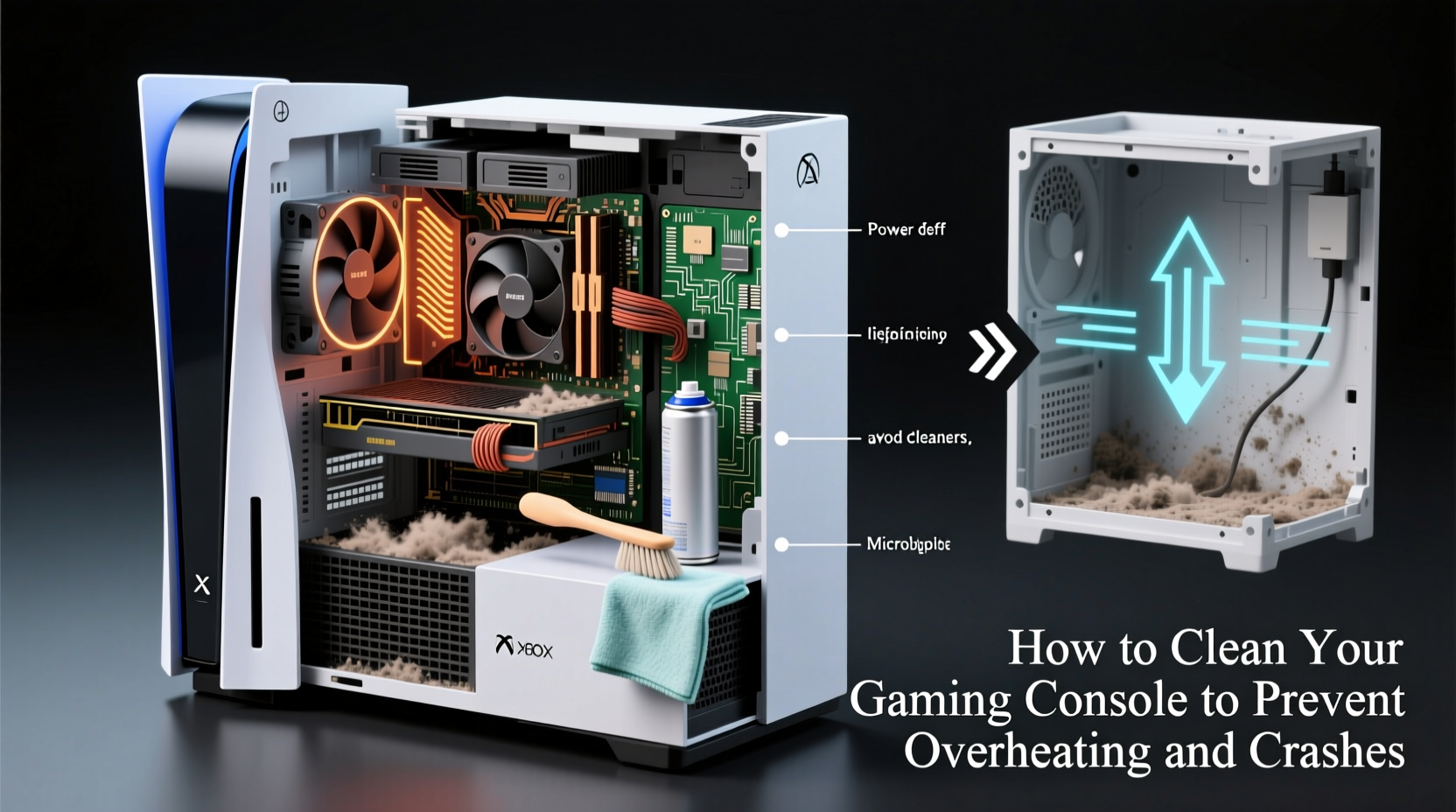
Dust may seem harmless, but when it builds up inside electronic devices, it acts like an insulating blanket around sensitive components such as the CPU, GPU, and heat sinks. As these parts heat up during operation, trapped dust prevents proper heat dissipation. The internal temperature rises beyond safe thresholds, triggering thermal protection mechanisms that either throttle performance or shut the console down entirely.
Repeated overheating cycles stress solder joints and degrade internal components over time. A 2022 study by iFixit found that over 40% of console repairs for unexplained crashes were directly linked to poor ventilation caused by dust buildup. In some cases, users reported their systems lasting only three years before requiring costly repairs—far below the expected lifespan of modern consoles.
“Dust is the silent killer of electronics. It doesn’t make noise, but you’ll feel its impact through lag, stuttering, and sudden shutdowns.” — Dr. Marcus Lin, Hardware Engineer at ConsoleCare Labs
Step-by-Step Guide to Cleaning Your Gaming Console
Cleaning your console doesn’t require professional tools or technical expertise. With the right method and precautions, you can perform a thorough cleaning in under an hour. Follow this timeline-based process to ensure safety and effectiveness.
- Power down and unplug (5 minutes)
Turn off your console completely and disconnect all cables, including power, HDMI, and USB connections. Allow the system to cool for at least 30 minutes before proceeding. - Prepare your workspace (5 minutes)
Choose a clean, dry, well-lit area free from static electricity. Lay down a soft microfiber cloth to protect the console surface. Keep all tools within reach: compressed air, soft brushes, cotton swabs, and a lint-free cloth. - Clean exterior surfaces (10 minutes)
Use a slightly dampened microfiber cloth (water only) to wipe down the outer casing, disc tray, ports, and controller connectors. Avoid spraying liquid directly onto the console. Dry immediately with a second cloth to prevent moisture ingress. - Clear ventilation grilles (15 minutes)
Hold the can of compressed air upright and spray short bursts into all vents—top, side, rear, and bottom. Angle the nozzle to dislodge dust without forcing debris deeper. Use a small brush or toothbrush to gently scrub stubborn particles from grille slats. - Open and clean internal components (optional, 30–45 minutes)
For advanced users, opening the console allows deeper access. Remove screws carefully and lift the casing. Use compressed air to blow dust off the fan, heatsink, and motherboard. Never touch circuitry with bare hands—wear an anti-static wrist strap if possible. - Reassemble and test (10 minutes)
Once cleaned, reattach the cover (if removed), reconnect all cables, and power on the system. Monitor startup behavior and run a game for 20–30 minutes to verify stable temperatures.
Do’s and Don’ts of Console Cleaning
Mistakes during cleaning can cause more harm than good. Refer to the table below for best practices and common errors to avoid.
| Do’s | Don’ts |
|---|---|
| Use compressed air designed for electronics | Use household vacuums (can generate static discharge) |
| Clean every 3–6 months depending on environment | Ignore signs of overheating like loud fans or screen warnings |
| Store the console in a well-ventilated area | Place the console flat on carpet or fabric that blocks airflow |
| Wipe controllers and accessories regularly | Use alcohol or ammonia-based cleaners on plastic surfaces |
| Keep pets away from console areas to reduce fur buildup | Open the console unless you're comfortable with electronics handling |
Real-World Example: Recovering a PS5 from Constant Crashes
James R., a gamer from Austin, Texas, noticed his PlayStation 5 would shut down unexpectedly after 20 minutes of play. He initially assumed it was a software issue and performed multiple factory resets. When the problem persisted, he checked online forums and discovered others reporting similar issues tied to dust buildup.
After six months of continuous use in a pet-friendly home, James opened the side panel (which is user-accessible on the PS5) and found a thick layer of cat hair and dust clogging the intake vents. Using compressed air, he cleared both sides thoroughly and wiped the exterior with a dry cloth. Upon reassembly, the console ran noticeably quieter, and crash incidents stopped completely. Two years later, the same unit continues to perform reliably—proof that simple maintenance can restore full functionality.
Essential Cleaning Tools and Supplies
You don’t need expensive gear to maintain your console. A basic toolkit includes:
- Compressed air duster – The most effective tool for removing dust from tight spaces.
- Microfiber cloths – Safe for wiping plastic and metal surfaces without scratching.
- Soft-bristle brush – Ideal for loosening packed dust from vent grilles.
- Cotton swabs – Useful for precision cleaning around ports and buttons.
- Isopropyl alcohol (70%) – Only for external use on non-sensitive areas like controller joysticks (apply sparingly with a cloth).
Avoid using paper towels, which can leave lint behind, or household cleaners containing bleach or solvents. These can degrade plastic finishes and damage rubberized coatings over time.
How Often Should You Clean Your Console?
The frequency depends on your environment:
- Low-dust homes (no pets, central AC): Every 6 months.
- Average households (occasional pets, regular foot traffic): Every 3–4 months.
- High-risk environments (smoking indoors, shedding pets, near windows): Every 2 months.
Signs it’s time to clean include:
- Fan running louder than usual
- System warning messages about high temperature
- Games freezing or crashing during long sessions
- Visible dust on or around vents
“Just like changing the oil in your car, cleaning your console is preventive maintenance. Skip it, and you’ll pay later—in repairs or premature replacement.” — Lena Torres, Senior Technician at GameFix Pro
Checklist: Complete Console Cleaning Routine
Use this checklist to ensure no step is missed during your next maintenance session.
- ✅ Power off and unplug the console
- ✅ Wait 30 minutes for internal cooling
- ✅ Prepare tools: compressed air, microfiber cloths, brush, swabs
- ✅ Wipe down exterior surfaces with a dry or slightly damp cloth
- ✅ Spray compressed air into all ventilation openings
- ✅ Gently brush dust from vent grilles
- ✅ (Optional) Open casing and clean internal fan and heatsink
- ✅ Reconnect all cables securely
- ✅ Power on and monitor for normal operation
- ✅ Schedule next cleaning based on usage and environment
Frequently Asked Questions
Can I use a vacuum cleaner to remove dust from my console?
No. Household vacuums generate static electricity that can damage sensitive circuitry. They also lack precision and may suck in small components. Stick to compressed air for safe internal cleaning.
Is it safe to open my Xbox or PS5 for deep cleaning?
The PS5 allows partial access via removable side panels without voiding warranty. For other models, opening the case may void the warranty unless done through authorized service centers. If you're not confident, limit cleaning to external vents using compressed air.
My console still overheats after cleaning. What should I do?
If problems persist, check placement: ensure at least 4 inches of clearance on all sides. Also verify that the room temperature isn't excessively high. If the fan remains noisy or shutdowns continue, internal components like thermal paste may need replacement—a job best handled by professionals.
Conclusion: Protect Your Investment with Simple Maintenance
Your gaming console is more than entertainment—it’s a significant investment that deserves care. Overheating due to dust is one of the most preventable causes of hardware failure. By incorporating regular cleaning into your routine, you preserve performance, extend longevity, and avoid frustrating crashes mid-game. Whether you own a Nintendo Switch dock, an Xbox Series X, or a PlayStation 5, the principles remain the same: keep it cool, keep it clean, and keep it running.




 浙公网安备
33010002000092号
浙公网安备
33010002000092号 浙B2-20120091-4
Comments
No comments yet. Why don't you start the discussion?