
Baking potato logs in the oven delivers a satisfyingly crisp exterior and fluffy interior without the mess or excess oil of deep frying. This method is ideal for home cooks seeking a healthier alternative to fried appetizers while maintaining that beloved crunch and savory flavor. Whether you're preparing a snack for kids, game-day finger food, or a side dish for dinner, oven-baked potato logs offer versatility, ease, and consistent results when prepared with attention to detail. Understanding the science behind browning, moisture control, and seasoning application ensures golden success every time.
Definition & Overview
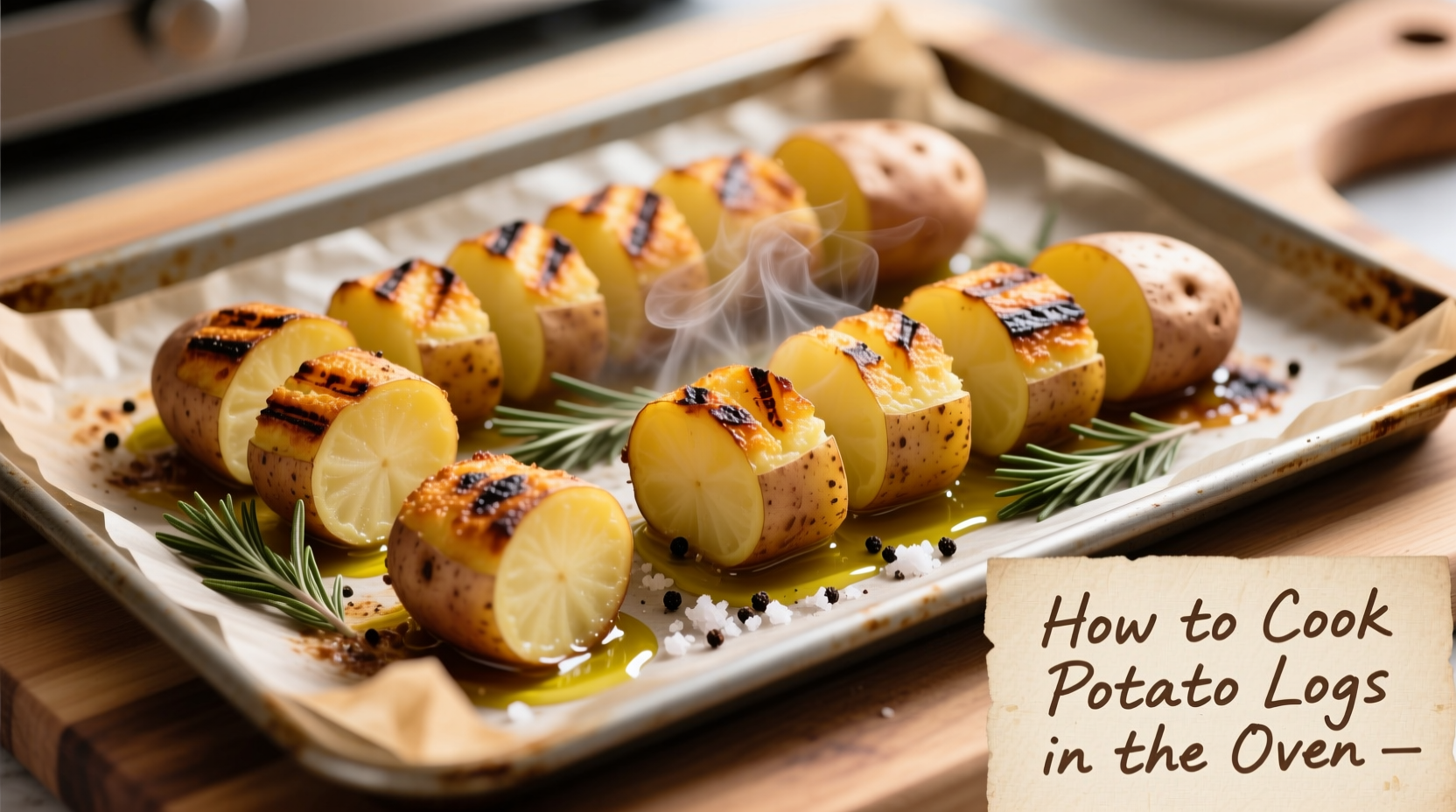
Potato logs are cylindrical cut portions of potatoes, typically made by slicing whole potatoes into thick batons or using shaped cuts like Tater Tots®, though homemade versions allow greater control over texture and ingredients. In culinary terms, they fall under the broader category of roasted or baked potato preparations—distinct from wedges, fries, or mashed forms due to their uniform, log-like shape.
The term \"potato logs\" may refer to both commercial frozen products and fresh, hand-cut versions. When cooked properly in the oven, they develop a deeply caramelized crust through Maillard reactions while retaining a soft, starchy core. Their neutral base makes them highly adaptable to seasonings, coatings, and dipping sauces, making them a staple in casual dining, family meals, and even upscale reinterpretations on restaurant menus.
Originating as a convenience food innovation in mid-20th century America, modern adaptations emphasize whole-food preparation, minimizing processing and artificial additives. Baking them in the oven aligns with current health-conscious trends, offering reduced fat content compared to traditional frying while preserving sensory appeal.
Key Characteristics
| Attribute | Description |
|---|---|
| Flavor Profile | Mild, earthy, slightly sweet; enhances with browning and seasoning |
| Aroma | Toasted starch, nutty when roasted, aromatic with herbs or garlic |
| Texture | Crisp outer layer, tender-fluffy interior when properly cooked |
| Color | Golden brown to deep amber crust, pale yellow inside |
| Heat Level | Non-spicy unless seasoned with chili, cayenne, or hot paprika |
| Culinary Function | Appetizer, side dish, snack, or component in breakfast plates |
| Shelf Life (Raw) | Fresh-cut: up to 24 hours refrigerated in water; frozen: 6–12 months |
| Storage (Cooked) | Refrigerate up to 3 days; reheat well in oven or air fryer |
Practical Usage: How to Cook Potato Logs in the Oven
Success begins with selecting the right potato variety and managing moisture. Russet or Yukon Gold potatoes work best due to their high starch content and structural integrity during roasting. Follow this step-by-step process for optimal results:
- Preparation: Scrub potatoes clean. Cut into uniform cylinders approximately ½ inch wide and 2–3 inches long. Consistency in size ensures even cooking.
- Soak (Optional but Recommended): Submerge cut pieces in cold water for 30 minutes to remove surface starch. This prevents clumping and promotes crispness. Drain and dry thoroughly using a clean kitchen towel or paper towels—excess moisture is the enemy of browning.
- Preheat Oven: Set oven to 425°F (220°C). A high initial temperature encourages rapid dehydration of the surface, essential for crisping.
- Toss with Fat and Seasoning: In a bowl, combine dried potato logs with 1–2 tablespoons of high-smoke-point oil per pound of potatoes (e.g., avocado, grapeseed, or refined olive oil). Add salt, pepper, and desired seasonings. For enhanced crispness, dust lightly with cornstarch (½ teaspoon per pound).
- Arrange on Baking Sheet: Use a rimmed baking sheet lined with parchment paper or a silicone mat. Place logs in a single layer with space between each piece to allow airflow and prevent steaming.
- Bake: Roast for 20 minutes, then flip each log using tongs. Return to oven and bake another 15–20 minutes until deeply golden and crisp on all sides.
- Finish (Optional): For extra flavor, sprinkle with grated Parmesan, chopped parsley, or smoked paprika immediately after removing from oven.
Pro Tip: For maximum crunch, place a wire rack on top of the baking sheet before arranging the logs. Elevating them allows hot air to circulate underneath, promoting even browning and reducing sogginess.
Seasoning Variations & Pairings
While classic salt-and-pepper works universally, consider these globally inspired combinations:
- Herbes de Provence + Garlic Powder: Elegant and aromatic; pairs well with aioli or lemon-dill yogurt sauce.
- Smoked Paprika + Onion Powder: Adds depth and warmth; excellent alongside grilled meats or tacos.
- Cajun Blend: Spicy and bold; complements remoulade or ranch dressing.
- Truffle Salt + Rosemary: Upscale twist; serve with crème fraîche for dipping.
- Northern European Style: Dill, caraway, and a touch of mustard powder; ideal with sour cream and pickled vegetables.
Use about ¾ teaspoon total seasoning blend per pound of potatoes. Adjust salt based on blend sodium levels. Always taste-test seasoning mixtures before applying.
Variants & Types
Potato logs come in several forms, each suited to different cooking goals and skill levels:
1. Homemade Fresh-Cut Logs
Prepared from raw potatoes, these offer full ingredient control and superior texture. Best for those prioritizing freshness and customization. Ideal for weekday dinners or entertaining guests where presentation matters.
2. Frozen Pre-Made Logs (e.g., Tater Tots®)
Convenient and consistent, these are par-fried and flash-frozen. While less healthy than fresh versions, they deliver nostalgic flavor and require minimal prep. Bake at 425°F for 20–25 minutes, flipping halfway.
3. Sweet Potato Logs
Use orange or purple sweet potatoes cut similarly. Lower in starch, higher in sugars, so they caramelize faster. Reduce oven temperature to 400°F and monitor closely after 15 minutes to avoid burning. Naturally sweeter; pair with chipotle-lime crema or maple-mustard glaze.
4. Root Vegetable Blends
Combine potatoes with parsnips, carrots, or beets for color and nutrition. Note: non-starchy roots release more sugar and moisture, so increase drying time and use extra oil to protect against scorching.
| Type | Best Used For | Texture Outcome | Prep Time |
|---|---|---|---|
| Homemade (Russet/Yukon) | Dinner sides, gourmet apps | Crispiest, most authentic | 20–30 min |
| Frozen Commercial | Quick snacks, kid meals | Consistent, slightly greasy | 5 min |
| Sweet Potato | Brunch, vegetarian mains | Softer crust, moist center | 15–20 min |
| Root Veg Mix | Healthy sides, rainbow platters | Variable browning | 20 min |
Comparison with Similar Ingredients
Potato logs are often confused with other potato-based items. Understanding distinctions improves recipe accuracy and technique selection.
| Item | Shape & Size | Cooking Method | Texture Difference |
|---|---|---|---|
| Potato Fries | Thinner strips (~¼–⅜”) | Fried or baked at high heat | Crisper overall, less fluffy interior |
| Potato Wedges | Larger, skin-on triangular cuts | Rarely flipped, longer roast | Chewier, uneven texture, rustic |
| Potato Logs | Uniform cylinders (~½” diameter) | Baked or fried evenly on all sides | Balanced crisp-to-fluff ratio |
| Tater Tots® | Small shredded patties, extruded | Par-fried, then finished | Denser, grainier, uniformly crunchy |
Unlike fries, which prioritize surface area for crunch, logs balance interior tenderness with moderate crispness. Compared to wedges, they cook faster and more uniformly. Unlike Tots, which are processed and compressed, homemade logs retain distinct potato cell structure, yielding a lighter bite.
Practical Tips & FAQs
Why aren’t my potato logs getting crispy?
The primary causes are excess moisture, overcrowding, or insufficient preheating. Always dry potatoes thoroughly after cutting or soaking. Use enough oil to coat but not pool. Ensure oven reaches full temperature before adding the tray.
Can I make potato logs ahead of time?
Yes. Cut and soak up to 24 hours in advance; store submerged in water in the refrigerator. Dry and proceed with oil and seasoning just before baking. Fully cooked logs can be cooled and frozen, then reheated in a 400°F oven for 10–12 minutes.
Is it necessary to flip the logs during baking?
Yes. Flipping ensures even exposure to heat, preventing one-sided browning. Skipping this step leads to inconsistent texture and potential sogginess on the underside.
What oil should I use?
Choose oils with high smoke points: avocado (520°F), refined sunflower (450°F), or grapeseed (420°F). Avoid unrefined olive oil, which burns easily and imparts bitterness.
Can I use an air fryer instead?
Absolutely. Air fryers excel at replicating fry-like textures. Cook at 400°F for 12–15 minutes, shaking basket halfway. Results are often crispier than conventional ovens due to concentrated convection.
Are potato logs gluten-free?
Yes, naturally. However, check seasoning blends and frozen products for hidden gluten. Some commercial brands add wheat-based anti-caking agents or malt flavoring.
How do I store leftovers?
Cool completely, then refrigerate in an airtight container for up to 3 days. Reheat in oven or toaster oven at 375°F for 8–10 minutes to restore crispness. Microwaving will soften them significantly.
Expert Insight: “The key to great oven-cooked potato logs isn’t just temperature—it’s timing the flip correctly. Wait too early, and they stick; too late, and the bottom burns. Aim for 20 minutes in a standard oven before turning.” — Chef Elena Rodriguez, Culinary Instructor, National Cooking Academy
Common Mistakes to Avoid
- Using waxy potatoes (e.g., red bliss): These have lower starch and higher moisture, leading to soggy results.
- Oiling before drying: Water repels oil, causing uneven coating and poor browning.
- Overcrowding the pan: Creates steam, which inhibits crisping and encourages mushiness.
- Skipping preheating: Cold starts delay evaporation and promote greasiness.
- Under-seasoning: Potatoes absorb salt slowly; undersalted logs taste bland even if seasoned post-bake.
Summary & Key Takeaways
Baking potato logs in the oven is a simple yet nuanced technique that rewards attention to detail. The foundation of success lies in selecting high-starch potatoes, eliminating excess moisture, and ensuring proper heat distribution. Whether using fresh-cut or frozen varieties, the principles remain the same: dry surfaces, high heat, adequate spacing, and timely flipping.
Homemade logs offer superior texture and customization, allowing precise control over flavor profiles and dietary needs. They outperform many frozen alternatives in both taste and nutritional quality. By mastering seasoning combinations and reheating methods, cooks can elevate this humble side into a versatile culinary asset.
Remember: Crispness comes from evaporation, not just oil. Convection matters more than duration. And always finish with a final seasoning touch for maximum impact.
Call to Action: Try making your own batch this week using Yukon Golds and a rosemary-garlic rub. Serve with a homemade garlic aioli for dipping. Once mastered, experiment with sweet potatoes or root vegetable blends to expand your repertoire.




 浙公网安备
33010002000092号
浙公网安备
33010002000092号 浙B2-20120091-4
Comments
No comments yet. Why don't you start the discussion?