
A bedroom should be more than just a place to sleep—it should serve as a sanctuary, a retreat from the noise and demands of daily life. The right combination of lighting and color can transform an ordinary space into a deeply restful environment that supports mental clarity, emotional balance, and high-quality rest. Design choices are not merely decorative; they directly influence mood, stress levels, and even circadian rhythms. By thoughtfully curating both light quality and color palette, you can cultivate a serene bedroom atmosphere that nurtures well-being.
The Psychology of Color in Sleep Spaces
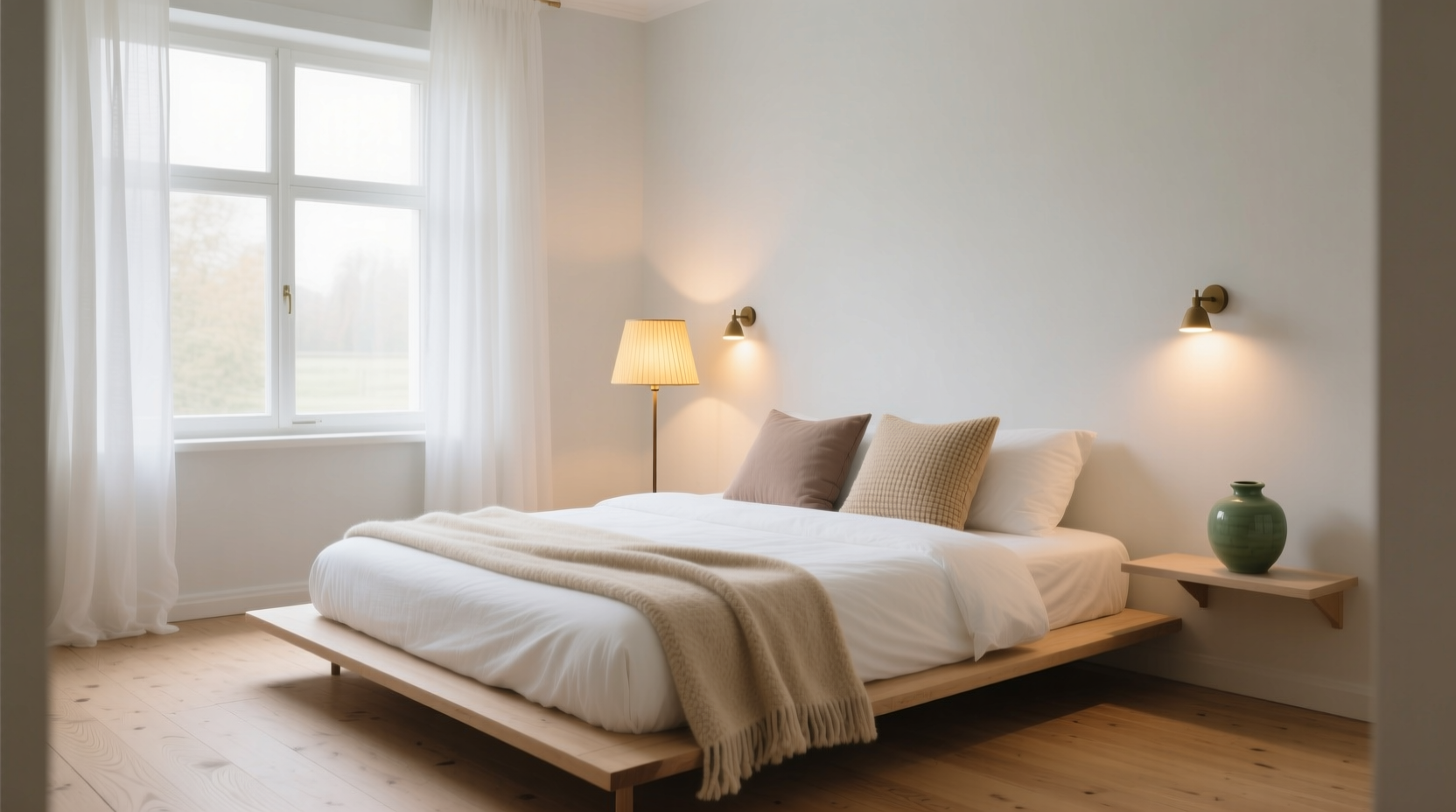
Color has a profound psychological impact. Warm tones like reds and oranges stimulate energy and conversation—ideal for social areas but disruptive in bedrooms. In contrast, cool and neutral hues promote relaxation by lowering heart rate and reducing mental stimulation. Research from the Journal of Environmental Psychology indicates that individuals exposed to soft blues and greens report improved sleep onset and fewer nighttime awakenings.
For a calming effect, prioritize colors rooted in nature: muted sage green, dusty blue, warm greige (a blend of gray and beige), or pale lavender. These shades mimic elements like sky, water, stone, and foliage, creating subconscious associations with peace and stability. Avoid high-contrast combinations or overly bright accents unless used minimally—for example, a single textured throw pillow in terracotta against a seafoam backdrop can add warmth without agitation.
Recommended Calming Wall Colors
| Color Name | Undertone | Best For | Pairing Suggestions |
|---|---|---|---|
| Benjamin Moore “Pale Oak” | Warm greige | North-facing rooms | Cream bedding, walnut furniture |
| Sherwin-Williams “Rain” | Cool gray-blue | Overstimulated environments | White trim, linen textiles |
| Farrow & Ball “Pavilion Gray” | Green-gray | Small or enclosed spaces | Brass fixtures, oat-colored rugs |
| Behr “Inspiration” | Soft lavender | Meditation-focused rooms | Matte black hardware, cotton canvas |
Layered Lighting: The Foundation of Ambience
Harsh overhead lighting disrupts melatonin production and signals the brain to stay alert—counterproductive when preparing for sleep. A calming bedroom relies on layered lighting: a strategic mix of ambient, task, and accent lights that offer flexibility across different times of day.
Ambient lighting provides general illumination. Instead of a central ceiling fixture, consider recessed downlights with dimmers or a low-hanging fabric pendant to diffuse brightness. This creates an even wash of light without glare.
Task lighting supports specific activities like reading or journaling. Wall-mounted swing-arm sconces are ideal—they free up nightstand space and direct light precisely where needed. Choose bulbs with a color temperature between 2700K and 3000K (warm white) to maintain a cozy tone.
Accent lighting adds depth and softness. LED strip lights behind headboards or under floating shelves produce a gentle glow that enhances spatial perception without overwhelming the senses. For ultimate serenity, install smart tape lights with adjustable color settings so you can shift from warm white to amber in the evening.
“Light is not just functional—it’s emotional. The way it interacts with color defines the soul of a room.” — Lena Torres, Interior Lighting Designer and Author of *Luminous Interiors*
Avoid These Common Lighting Mistakes
- Using only one light source (e.g., a single ceiling fixture)
- Installing bulbs above 3000K in sleeping areas
- Placing bedside lamps too far from the bed edge
- Ignoring dimmer switches in favor of on/off toggles
- Allowing screen-based blue light to dominate pre-sleep routines
Step-by-Step Guide to Building a Soothing Atmosphere
Transforming your bedroom into a haven doesn’t require a full renovation. Follow this sequence to integrate calming lighting and color effectively.
- Evaluate your current space: Spend two evenings observing how light enters and behaves in your room. Note where shadows fall and where glare occurs. Identify which colors currently dominate and how they make you feel.
- Choose a base color palette: Select one primary wall color and two supporting neutrals (e.g., wall: soft blue, bedding: ivory, rug: warm taupe). Stick to matte or eggshell finishes to reduce light reflection.
- Plan lighting zones: Map out three layers—ambient, task, accent. Determine if existing fixtures support dimming; if not, budget for upgrades.
- Replace bulbs strategically: Swap all bedroom bulbs to warm white (2700K–3000K). Use smart bulbs in lamps for customizable control via app or voice command.
- Add soft sources near the bed: Install sconces or use small, shaded table lamps. Ensure controls are within reach to avoid turning on bright overhead lights during nighttime awakenings.
- Incorporate indirect lighting: Place LED strips behind headboards, along baseboards, or inside open shelving. Set them to activate at low brightness after sunset.
- Test and refine: Live with the changes for three nights. Adjust dimmer levels, reposition lamps, or repaint swatches as needed until the room feels intuitively peaceful.
Real-Life Example: Transforming a City Apartment Bedroom
Sophie, a graphic designer living in downtown Chicago, struggled with insomnia despite maintaining a consistent bedtime. Her bedroom featured stark white walls, a bright LED ceiling fixture, and no secondary lighting. After consulting a wellness interior specialist, she implemented targeted changes over four weeks.
First, she repainted the walls in Sherwin-Williams “Agreeable Gray,” a warm neutral that softened the industrial feel of exposed ductwork. She replaced her ceiling light with a dimmable recessed system and added fabric-shaded sconces on either side of the bed. Finally, she installed a motion-activated LED strip under the bed frame to guide nighttime movement without disrupting darkness.
Within ten days, Sophie reported falling asleep 25 minutes faster on average. She noted that the absence of harsh light made winding down easier, especially after long screen-filled workdays. “It feels like the room breathes now,” she said. “I don’t dread going to bed anymore.”
Essential Checklist for a Calming Bedroom Makeover
- ✅ Paint walls in a low-saturation, nature-inspired hue
- ✅ Install dimmer switches on all main light sources
- ✅ Replace bulbs with warm white (2700K–3000K) LEDs
- ✅ Add at least two types of lighting (e.g., ambient + task)
- ✅ Use lampshades or diffusers to soften direct light
- ✅ Eliminate or cover blue-light-emitting devices at night
- ✅ Introduce subtle accent lighting (LED strips, cove lights)
- ✅ Keep color contrasts minimal and harmonious
- ✅ Position bedside lights within easy reach
- ✅ Incorporate natural materials (wood, linen, stone) to enhance warmth
Frequently Asked Questions
Can I use smart lighting without making the room feel tech-heavy?
Absolutely. Smart lighting systems can be discreet—choose bulbs that look like traditional filaments or embed LED strips behind architectural features. Control them via automation (e.g., “dim to 20% at 9 PM”) so technology operates in the background without visual clutter.
Is it okay to have dark walls in a calming bedroom?
Yes, if done thoughtfully. Deep navy, charcoal, or forest green can be soothing when balanced with ample warm lighting and lighter furnishings. The key is maintaining luminance contrast—pair dark walls with reflective surfaces like mirrors or light wood floors to prevent the room from feeling cave-like.
How does natural light affect my color choices?
Natural light varies by direction: north-facing rooms receive cool, consistent light, making warm-toned paints essential to avoid sterility. South-facing rooms get intense sunlight, so cooler grays and blues help temper brightness. Always test swatches in your actual space before committing.
Final Thoughts: Design for Emotional Resonance
A truly calming bedroom goes beyond aesthetics—it aligns design with human needs. When color and light work together intentionally, they create an environment where stress dissolves and rest becomes effortless. This isn’t about following trends or achieving perfection; it’s about crafting a personal refuge that responds to your rhythms and soothes your nervous system.
The choices you make in paint and illumination are quiet acts of self-care. Each dimmed lamp, each carefully chosen hue, sends a message: this space is designed for peace. Start small. Repaint one wall. Swap a bulb. Notice how it feels. Over time, these subtle shifts accumulate into a profound transformation—not just of your room, but of your relationship with rest.




 浙公网安备
33010002000092号
浙公网安备
33010002000092号 浙B2-20120091-4
Comments
No comments yet. Why don't you start the discussion?