
A bedroom should be more than just a place to sleep—it should be a sanctuary. In today’s fast-paced world, the quality of rest and mental recovery hinges on the environment we cultivate at home. One of the most effective ways to transform your bedroom into a true retreat is through intentional use of lighting and scent. When combined thoughtfully, these sensory elements can significantly reduce stress, improve sleep quality, and enhance overall well-being. This guide explores practical, science-backed strategies for harmonizing light and fragrance to foster tranquility in your personal space.
The Science Behind Sensory Design
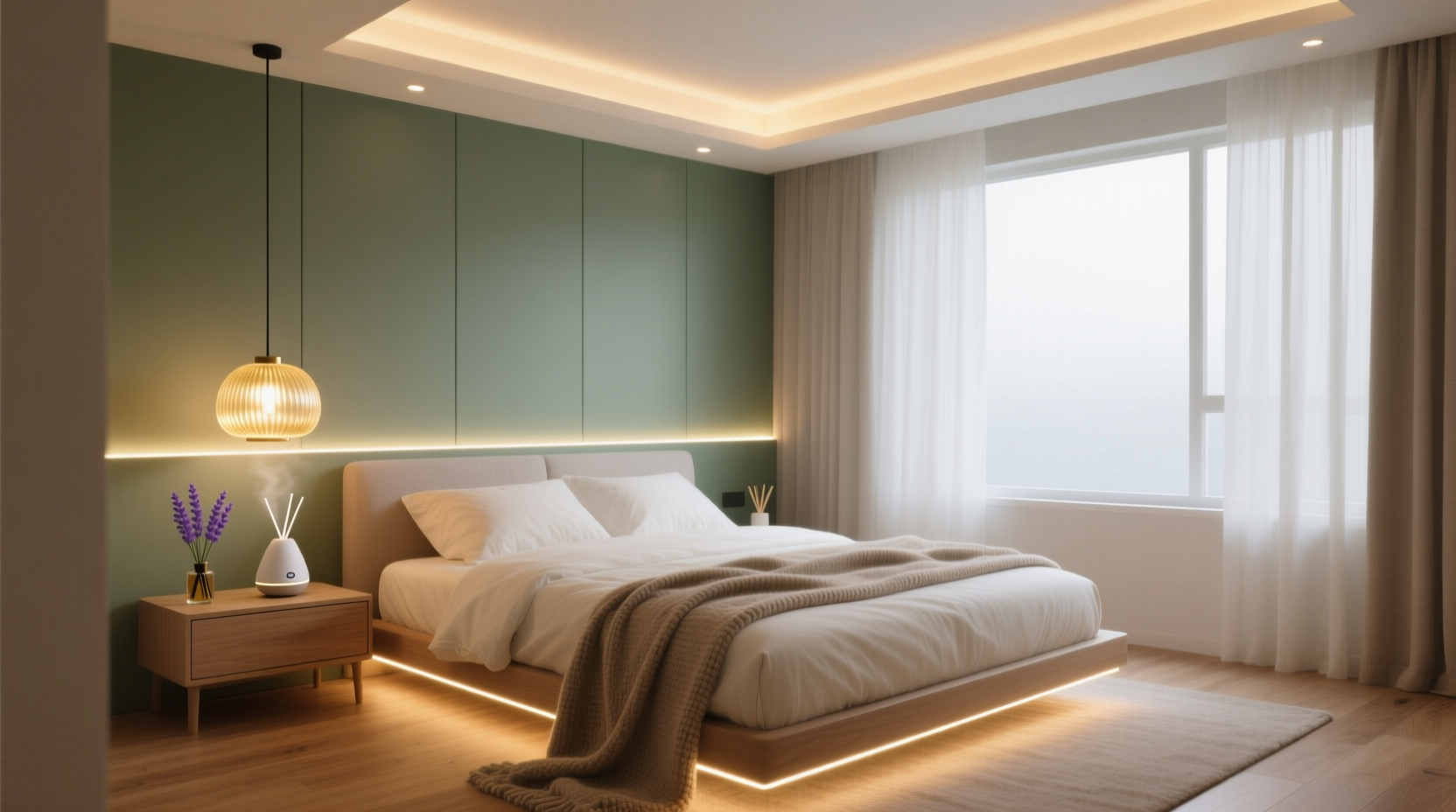
Our brains respond powerfully to environmental cues. Light influences circadian rhythms—the internal clock that regulates sleep and wakefulness—while scent directly impacts the limbic system, which governs emotion and memory. According to Dr. Rachel Herz, a cognitive neuroscientist and expert in olfactory psychology:
“Scents bypass higher cognitive processing and go straight to the brain’s emotional center. Combined with soft lighting, they can evoke feelings of safety and calm almost instantly.” — Dr. Rachel Herz, Author of *The Scent of Desire*
Similarly, research from the Lighting Research Center at Rensselaer Polytechnic Institute shows that exposure to warm, dim lighting in the evening suppresses melatonin disruption, helping the body prepare naturally for sleep. By aligning lighting temperature and intensity with natural biological patterns—and pairing them with soothing aromas—you create an environment that supports both physiological and psychological relaxation.
Designing a Lighting Strategy for Calm
Lighting plays a foundational role in setting the mood. Harsh overhead lights or blue-rich LED screens signal alertness to the brain, making it harder to unwind. A layered lighting approach offers flexibility and comfort throughout the evening.
Use Layered Lighting Zones
Instead of relying on a single ceiling fixture, incorporate three types of lighting:
- Ambient Lighting: Soft, general illumination (e.g., dimmable ceiling fixtures or recessed lights).
- Task Lighting: Focused light for reading or journaling (e.g., adjustable wall sconces or bedside lamps).
- Accent Lighting: Decorative or mood-enhancing features (e.g., LED strip lights under furniture or behind headboards).
Embrace Dimming and Automation
Install dimmer switches or smart bulbs (like Philips Hue or LIFX) to gradually lower light levels as bedtime approaches. Set automated schedules that shift from bright white during early evening to warm amber by 8 PM. This mimics the natural sunset and encourages melatonin production.
Minimize Blue Light Exposure
Replace bright nightlights with red or amber alternatives—these wavelengths have the least impact on melatonin. Also, remove or cover electronic devices that emit blue light, such as digital clocks or phone chargers, unless they are specifically designed for low emission.
Choosing Soothing Scents for Sleep and Relaxation
Fragrance has long been used in aromatherapy to influence mood. Certain essential oils have demonstrated measurable effects on heart rate, cortisol levels, and subjective feelings of anxiety.
Top Calming Scents Backed by Research
| Scent | Scientific Benefit | Best Delivery Method |
|---|---|---|
| Lavender | Reduces anxiety and improves sleep quality (study in *Nursing in Critical Care*, 2017) | Diffuser, linen spray, pillow mist |
| Chamomile | Promotes relaxation; contains apigenin, which binds to GABA receptors | Dry sachets, essential oil diffuser |
| Sandalwood | Grounding effect; often used in meditation practices | Incense, perfume oil, candle (soy-based) |
| Bergamot | Uplifting yet calming; reduces cortisol levels (*Phytotherapy Research*, 2015) | Misting spray, bath oil, diffuser blend |
| Frankincense | Slows breathing and deepens meditative states | Resin burner, essential oil blend |
When selecting scents, consider personal associations. A fragrance linked to positive memories—a grandmother’s garden, a seaside vacation—can amplify its calming effect. However, avoid overly strong concentrations; subtle diffusion is more effective and less likely to cause sensory fatigue.
Harmonizing Light and Scent: The Synergy Effect
The real magic happens when lighting and scent work together. Each reinforces the other, creating a multisensory experience that signals the nervous system to shift into rest mode.
Step-by-Step Evening Transition Routine
- 6:00 PM – Begin ambient wind-down: Turn off overhead lights. Switch to table or floor lamps with warm bulbs.
- 6:30 PM – Introduce scent: Start a diffuser with a lavender-chamomile blend or place a sachet near your pillow.
- 7:30 PM – Reduce brightness: Dim existing lights by 50%. If using smart bulbs, program a gradual fade over the next hour.
- 8:00 PM – Accent lighting only: Use small accent lights (like under-bed LEDs) to maintain orientation without disrupting darkness adaptation.
- 8:30 PM – Final scent touch: Light a sandalwood candle (if safe) or spritz a linen mist with frankincense.
- 9:00 PM – Prepare for sleep: Extinguish all but the dimmest nightlight. Ensure no electronic glow remains.
This timeline allows your body to transition smoothly from active engagement to passive relaxation. Consistency is key—repeating this ritual nightly trains your brain to associate these sensory cues with rest.
Real-Life Example: Sarah’s Transformation
Sarah, a 38-year-old project manager in Chicago, struggled with insomnia due to high job stress. Her bedroom had bright LED ceiling lights and no consistent routine. After consulting a sleep coach, she implemented layered lighting and introduced a nightly lavender diffusion ritual. Within two weeks, her average time to fall asleep dropped from 60 minutes to 22. She reported feeling “more grounded” and less anxious in the evenings. “It’s not just about sleeping,” she said. “I feel like I’m reclaiming my evenings as mine again.”
Common Mistakes to Avoid
Even well-intentioned efforts can backfire if not executed carefully. Here are frequent pitfalls and how to avoid them:
| Mistake | Why It’s Problematic | Solution |
|---|---|---|
| Using strong scents right before bed | Can overwhelm the senses and disrupt sleep onset | Diffuse earlier in the evening or use lightly scented linens |
| Over-relying on candles | Fire risk and inconsistent scent distribution | Use electric diffusers or flameless LED candles with scent pods |
| Installing non-dimmable, cool-white bulbs | Suppresses melatonin and increases alertness | Switch to dimmable, warm-toned LEDs or smart bulbs |
| Ignoring personal scent preferences | Even “calming” scents can irritate if disliked | Test fragrances during the day and choose what feels comforting |
Essential Checklist for Your Calming Retreat
Use this checklist to evaluate and upgrade your bedroom environment:
- ✅ Replace harsh overhead lights with dimmable, warm-toned fixtures
- ✅ Add at least two additional light sources (e.g., bedside lamp, sconce)
- ✅ Invest in a quiet essential oil diffuser or scent delivery system
- ✅ Select 1–2 calming essential oils based on preference and research
- ✅ Remove or shield blue-light-emitting electronics
- ✅ Create a nightly ritual that includes lowering lights and introducing scent
- ✅ Keep scents subtle—avoid overpowering the room
- ✅ Clean diffusers weekly to prevent mold and ensure consistent output
Frequently Asked Questions
Can I use scented candles safely in the bedroom?
Yes, but with caution. Always extinguish candles before falling asleep. Opt for soy or beeswax candles with cotton wicks to minimize soot. For ongoing use, consider flameless alternatives that mimic flickering light and release fragrance safely.
What if I’m sensitive to strong smells?
Start with very low concentrations. Try placing a few drops of essential oil on a cotton ball inside a drawer near your bed instead of direct diffusion. You can also explore unscented options like vanilla-infused room sprays, which many find subtly comforting without being overpowering.
Is colored lighting helpful for relaxation?
Soft amber, pink, or deep blue hues can enhance calmness, but avoid bright or flashing colors. Red and amber are best for nighttime because they minimally affect melatonin. Smart bulbs allow you to experiment safely with color temperatures tailored to different times of day.
Conclusion: Reclaim Your Rest
Your bedroom is more than a functional space—it’s a critical component of your mental and physical health. By intentionally combining gentle lighting with soothing scents, you create a retreat that supports deeper rest, reduced stress, and greater emotional balance. These changes don’t require expensive renovations or complex systems. Small, consistent adjustments to how you manage light and fragrance can yield profound results over time. Begin tonight: dim one light, diffuse a drop of lavender, and notice how your body responds. The path to a calmer mind starts with the atmosphere you build around you.




 浙公网安备
33010002000092号
浙公网安备
33010002000092号 浙B2-20120091-4
Comments
No comments yet. Why don't you start the discussion?