
A bedroom should be more than just a place to sleep—it should be a sanctuary. The right atmosphere can transform your space into a restorative retreat, supporting mental clarity, emotional balance, and deep, uninterrupted sleep. While furniture and decor play a role, one of the most powerful yet underutilized tools in shaping this environment is lighting—specifically, its color temperature. Understanding and applying the science of light can elevate your bedroom from merely functional to genuinely healing.
Color temperature, measured in Kelvins (K), refers to the warmth or coolness of light. It ranges from warm, candle-like glows at around 1800K to bright, daylight-white tones exceeding 5000K. Your perception of comfort, alertness, and calm is deeply influenced by these subtle shifts. By aligning your lighting choices with natural circadian rhythms and intentional design principles, you can cultivate a bedroom that supports relaxation from the moment you enter.
The Science Behind Light and Relaxation
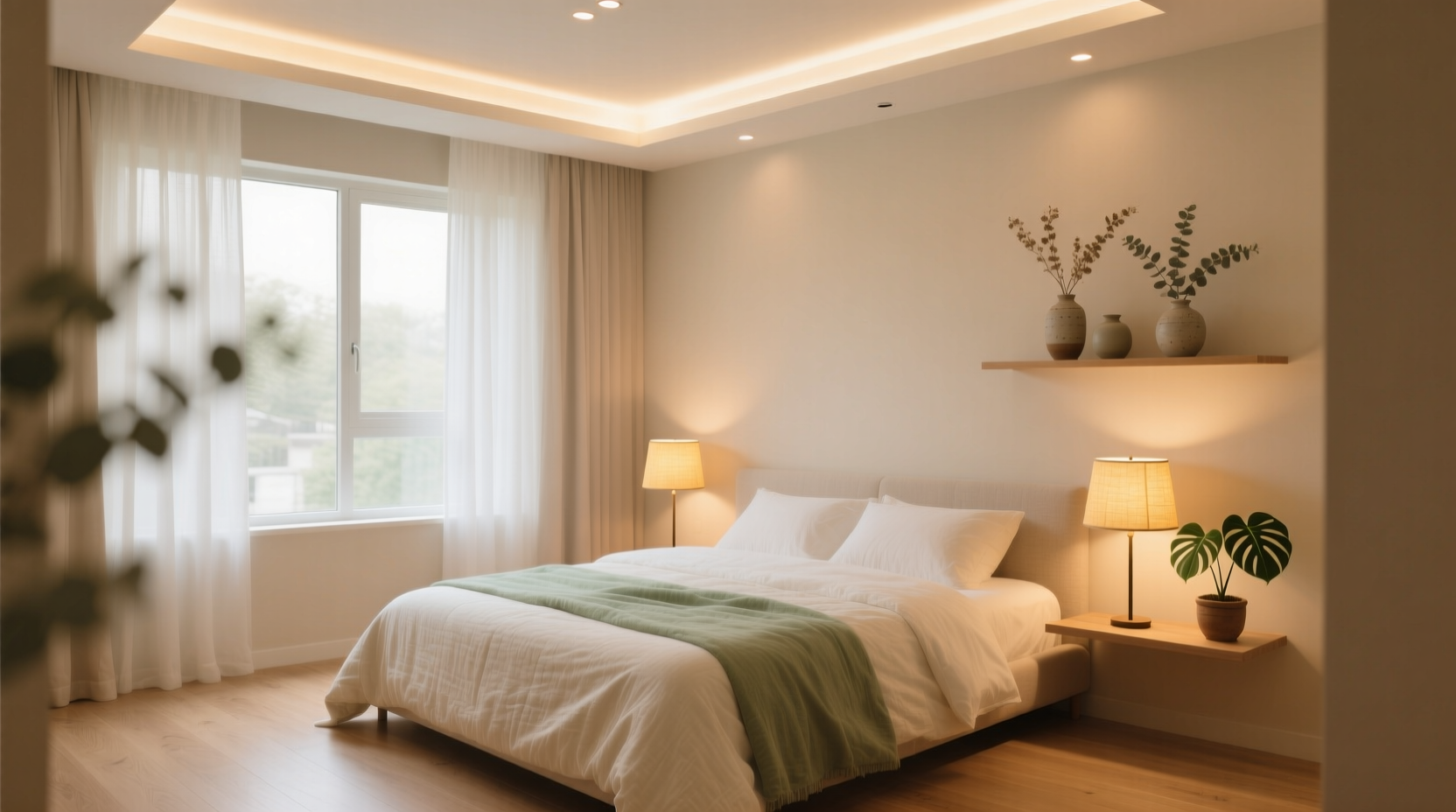
Light directly impacts your body’s internal clock, also known as the circadian rhythm. This biological system regulates sleep-wake cycles, hormone production, and even mood. Exposure to cooler, blue-rich light during the day keeps you alert and focused. However, when experienced at night, it suppresses melatonin—the hormone responsible for sleep onset—making it harder to unwind.
In contrast, warmer light (between 1800K and 3000K) mimics the glow of sunset and firelight, signaling to your brain that it’s time to slow down. Studies have shown that exposure to warm-toned lighting in the evening leads to faster sleep onset and improved sleep quality. A 2020 study published in the Journal of Clinical Sleep Medicine found that participants who used warm white lighting two hours before bed reported significantly lower levels of pre-sleep anxiety and higher melatonin concentrations compared to those exposed to cool white light.
“Evening light exposure is one of the most potent regulators of sleep health. Shifting to warmer tones after sunset is a simple but highly effective way to support natural sleep patterns.” — Dr. Lena Torres, Circadian Health Researcher, Stanford Sleep Center
This doesn’t mean eliminating all cool light from your life. Daylight-mimicking bulbs are ideal for morning routines, helping you feel awake and energized. The key is timing: transition your lighting throughout the day to match your body’s needs.
Choosing the Right Color Temperature for Each Time of Day
To build a truly calming bedroom, consider layering your lighting strategy across different times. Think of your room’s illumination as evolving with your daily rhythm—not static, but dynamic and intentional.
Morning: Energize with Cool Light (4000K–5000K)
If you use your bedroom for morning preparation, start the day with brighter, cooler lighting. This helps suppress melatonin and stimulate alertness. Use overhead fixtures or task lighting near mirrors with a color temperature around 4500K. Avoid harsh fluorescent tubes; instead, opt for LED panels or smart bulbs that simulate natural daylight without glare.
Daytime: Neutral Balance (3500K–4000K)
During midday, especially if you read, meditate, or work briefly in your bedroom, a neutral white light provides balanced visibility without overstimulation. This range offers clarity while remaining gentle on the eyes.
Evening: Transition to Warmth (2700K–3000K)
As the sun sets, begin shifting toward warmer tones. Replace any cool bulbs with soft white or warm white options. Table lamps, floor lamps, and wall sconces with warm LEDs create ambient pools of light that reduce visual stress and prepare the mind for rest.
Night: Deep Calm (1800K–2200K)
For nighttime ambiance, aim for amber or candlelight hues. These ultra-warm tones minimize blue light exposure and promote melatonin release. Consider dimmable bedside lamps, salt rock lamps, or smart bulbs programmed to shift automatically after 8 PM.
Layering Light for Maximum Calm
A single overhead light creates a flat, institutional feel. To achieve a calming bedroom vibe, employ layered lighting: a combination of ambient, task, and accent lighting working together to shape mood and function.
- Ambient Lighting: Provides overall illumination. Use ceiling fixtures with diffusers or recessed lights on dimmers set to warm settings.
- Task Lighting: Supports specific activities like reading. Opt for adjustable-arm wall lamps or small table lamps with warm bulbs (2700K).
- Accent Lighting: Adds depth and coziness. Try LED strip lights behind headboards, under beds, or along baseboards in soft amber tones.
Dimmers are essential. They allow you to fine-tune brightness based on activity and time of day. Even a fully lit warm bulb can feel harsh if too intense. Pair dimmers with fabric lampshades to diffuse light further and eliminate glare.
Recommended Lighting Placement
| Fixture Type | Best Location | Color Temp Range | Notes |
|---|---|---|---|
| Ceiling Fixture | Center of room | 2700K–3000K | Use with dimmer; avoid exposed bulbs |
| Bedside Lamp | Nightstand | 2700K | Adds personal warmth; ideal for reading |
| Wall Sconce | Beside bed, low height | 2200K–2700K | Reduces shadows; great for late-night use |
| LED Strip | Behind headboard, under bed | 1800K–2200K | Creates floating effect; use adhesive tape type |
| Floor Lamp | Corner or reading nook | 2700K | Uplighting bounces softly off walls |
Paint and Wall Colors That Complement Warm Lighting
Light interacts with surfaces—and nowhere more than on walls. Cool gray paint may look elegant in daylight, but under warm lighting, it can appear dull or muddy. To maximize the calming effect of your lighting, choose wall colors that harmonize with warm tones.
Ideal hues include:
- Warm grays with beige or taupe undertones
- Soft clay pinks and blush tones
- Earthy sage greens
- Muted terracottas and sand shades
Avoid stark whites or icy blues unless balanced with rich textures and abundant warm lighting. Test paint samples under your actual bedroom lighting at different times of day. A shade that looks perfect at noon might feel cold at night.
Real-Life Example: Transforming a Restless Space
Sarah, a graphic designer in Portland, struggled with insomnia despite maintaining a consistent bedtime. Her bedroom had white walls, a bright overhead LED fixture (5000K), and minimal secondary lighting. She often worked late on her laptop in bed, surrounded by cool, glaring light.
After consulting a sleep coach, she redesigned her lighting setup:
- Replaced the ceiling bulb with a dimmable 2700K LED.
- Added two warm-toned wall sconces beside the bed.
- Installed an LED strip behind her wooden headboard set to 2000K at night.
- Painted her walls in “Agreeable Gray” by Sherwin-Williams—a warm greige that glows under soft light.
- Set up a smart lighting schedule: 4000K until 6 PM, then gradual fade to 2200K by 9 PM.
Within two weeks, Sarah reported falling asleep 30 minutes faster and waking less frequently. “It feels like my room finally breathes,” she said. “The light doesn’t fight against relaxation anymore.”
Step-by-Step Guide to Creating Your Calming Bedroom Lighting Plan
Follow this sequence to transform your bedroom into a haven of tranquility:
- Assess current lighting: Note bulb types, placements, and color temperatures. Identify sources of harsh or cool light.
- Define zones: Mark areas for sleeping, reading, dressing, and relaxing. Assign appropriate lighting layers to each.
- Select bulbs: Choose warm white (2700K) for general use and ultra-warm (1800K–2200K) for nighttime ambiance.
- Add dimmers: Install dimmer switches or use dimmable smart bulbs for flexibility.
- Introduce multiple sources: Add at least three types of fixtures (e.g., ceiling, bedside, accent).
- Test and adjust: Spend evenings in the room, adjusting brightness and placement for optimal comfort.
- Automate if possible: Use smart lighting systems to shift color temperature automatically with sunset/sunrise.
Common Mistakes to Avoid
- Over-relying on overhead lighting: Creates a sterile, uninviting atmosphere.
- Using cool white bulbs in bedside lamps: Disrupts melatonin and increases eye strain at night.
- Ignoring dimming capabilities: Fixed-brightness lights lack adaptability.
- Mismatching paint and light: Cool walls under warm light can look dingy.
- Placing lights too high: Ceiling-level lighting casts unflattering shadows; lower fixtures create intimacy.
FAQ
Can I use smart bulbs to improve my sleep?
Yes. Smart bulbs like Philips Hue, Nanoleaf, or LIFX allow you to program color temperature and brightness schedules. Set them to emit cool light in the morning and gradually shift to warm tones in the evening, syncing with your circadian rhythm.
What’s the best color temperature for reading in bed?
2700K is ideal. It provides enough clarity without emitting excessive blue light. Pair it with a directional lamp that illuminates the page without shining into your eyes.
Are salt lamps effective for creating a calming vibe?
While their output is minimal, salt lamps emit a soft, warm glow (around 1800K–2000K) that contributes to ambient lighting. They won’t replace functional fixtures but serve well as accent lights that enhance coziness.
Checklist: Create a Calming Bedroom Lighting Setup
- ☐ Replace all cool white bulbs (4000K+) in the bedroom with warm white (2700K)
- ☐ Install dimmer switches or use dimmable bulbs
- ☐ Add at least two additional light sources beyond the ceiling fixture
- ☐ Position bedside lighting at eye level when seated or lying down
- ☐ Incorporate warm accent lighting (LED strips, sconces, or decorative lamps)
- ☐ Test wall colors under evening lighting conditions
- ☐ Set up automated color temperature transitions using smart lighting apps
- ☐ Remove or cover any blue-light-emitting devices (e.g., power indicators on electronics)
Conclusion
Creating a calming bedroom vibe isn’t about expensive renovations or trendy decor. It’s about understanding how light shapes your physiology and psychology. By aligning color temperature with your natural rhythms and layering light intentionally, you transform your bedroom into a true sanctuary—one that invites stillness, supports recovery, and honors the quiet dignity of rest.
The most peaceful nights begin long before you close your eyes. They start with the soft glow of a well-placed lamp, the warmth of a thoughtfully chosen hue, and the deliberate act of designing an environment that cares for you. Begin tonight: swap one cool bulb for a warm one, add a dimmer, or simply turn off the overhead light and rely on softer sources. Small changes yield profound results. Your calmest nights are waiting to be illuminated.




 浙公网安备
33010002000092号
浙公网安备
33010002000092号 浙B2-20120091-4
Comments
No comments yet. Why don't you start the discussion?