
Soreness in the thighs without an obvious trigger can be confusing and frustrating. You didn’t start a new workout, walk farther than usual, or injure yourself—yet your thighs ache persistently. While occasional muscle fatigue is normal, unexplained thigh soreness may signal underlying physiological, neurological, or lifestyle-related factors. Understanding the root causes and knowing how to respond can help you regain comfort and prevent recurrence.
Common Causes of Unexplained Thigh Soreness
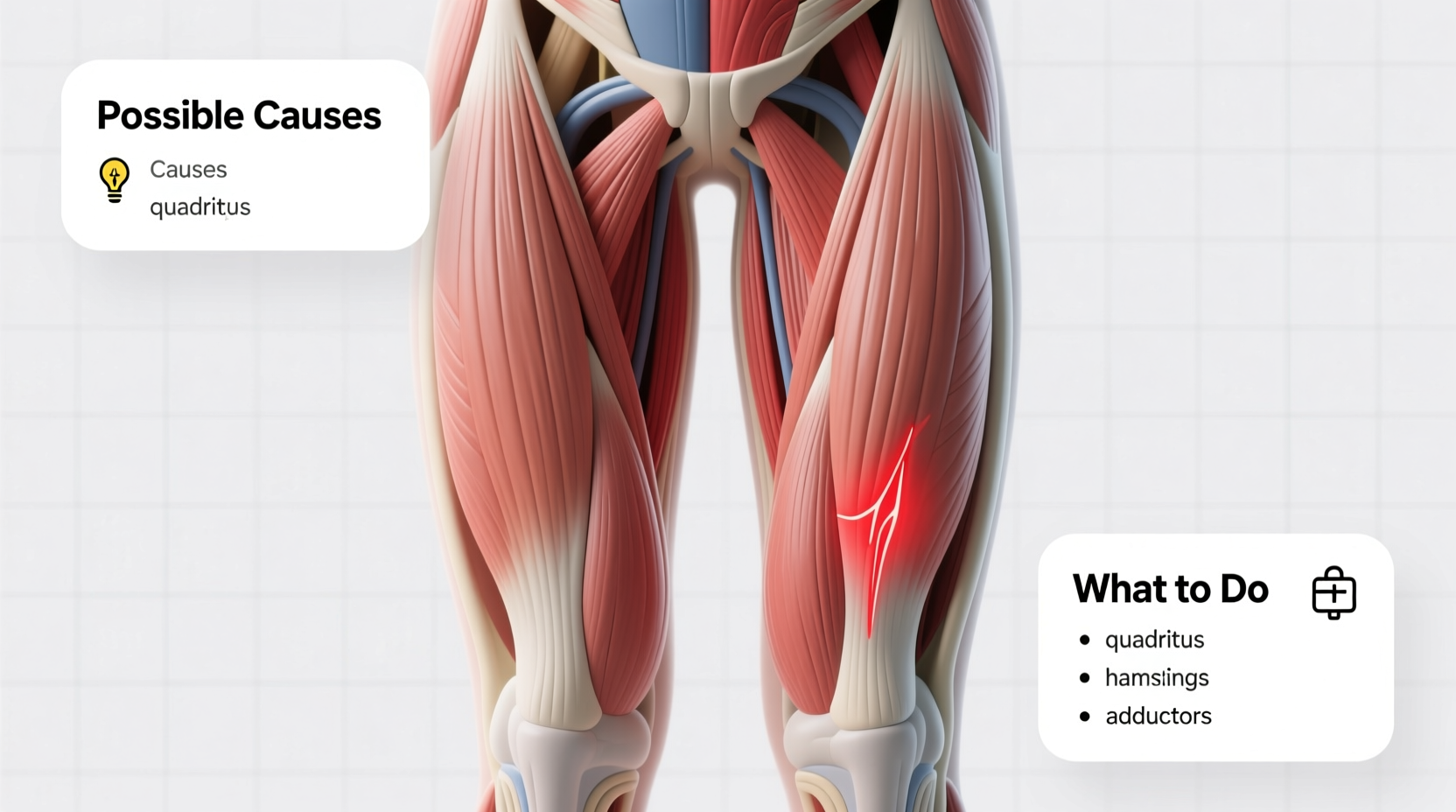
Thigh pain that appears “out of nowhere” often has identifiable origins once examined closely. The quadriceps at the front, hamstrings at the back, and adductors along the inner thigh are large muscle groups prone to overuse, strain, and referred pain from other areas.
- Muscle Overuse or Microtears: Even low-intensity activities like prolonged standing, climbing stairs, or gardening can cause microscopic muscle damage leading to delayed onset muscle soreness (DOMS), especially if you're not accustomed to them.
- Nerve Compression: Sciatica or lumbar radiculopathy can refer pain down the leg, often mimicking muscle soreness. A pinched nerve in the lower back may cause burning, tingling, or deep aching in the thigh.
- Poor Circulation: Peripheral artery disease (PAD) restricts blood flow to the legs, causing cramping and soreness during activity—even mild exertion.
- Vitamin Deficiencies: Low levels of vitamin D, potassium, magnesium, or calcium can contribute to muscle cramps and generalized soreness.
- Sedentary Lifestyle: Prolonged sitting weakens glutes and tightens hip flexors, altering biomechanics and placing undue stress on thigh muscles.
“Many patients report thigh soreness after long periods of inactivity. It’s not always about overexertion—sometimes, it’s underuse.” — Dr. Alan Reyes, Physical Medicine Specialist
When to Be Concerned: Red Flags to Watch For
Most thigh soreness resolves within a few days with rest and self-care. However, certain symptoms warrant medical evaluation to rule out serious conditions.
Red flags include:
- Swelling or warmth in the thigh—possible sign of deep vein thrombosis (DVT)
- Sudden, sharp pain after minimal movement—could indicate a muscle tear or strain
- Numbness or tingling radiating down the leg—suggestive of nerve involvement
- Pain that worsens at night or while resting—may point to vascular or neurological issues
- History of diabetes or cardiovascular disease—increases risk for circulatory problems
Step-by-Step Guide to Relief and Recovery
If your thigh soreness isn’t severe and lacks red flags, try this structured approach to ease discomfort and support healing.
- Rest and Modify Activity: Avoid strenuous exercise or repetitive movements that aggravate the area. Switch to low-impact options like swimming or cycling if needed.
- Apply Ice or Heat: Use ice packs for the first 48 hours to reduce inflammation. Afterward, switch to moist heat to relax tight muscles.
- Gentle Stretching: Perform slow, controlled stretches targeting the quadriceps, hamstrings, and hip flexors. Hold each stretch for 30 seconds, repeat 2–3 times daily.
- Hydrate and Replenish Electrolytes: Drink plenty of water and consider foods rich in potassium (bananas, spinach) and magnesium (nuts, seeds).
- Over-the-Counter Pain Relief: NSAIDs like ibuprofen can help reduce inflammation and pain, but use sparingly and only as directed.
- Gradual Return to Activity: Resume normal movements slowly. Sudden increases in physical load can retrigger soreness.
Prevention Checklist: Reduce Future Thigh Discomfort
Proactive habits can minimize the likelihood of recurring unexplained soreness. Use this checklist regularly:
✅ Thigh Soreness Prevention Checklist
- Stretch daily, especially after sitting for long periods
- Stay hydrated throughout the day
- Incorporate strength training for legs 2–3 times per week
- Avoid prolonged sitting—take breaks every 30–60 minutes
- Wear supportive footwear, even indoors
- Evaluate your sleeping posture—tight sheets or awkward positions can tense leg muscles overnight
- Get regular blood work to check for nutrient deficiencies
Real-Life Example: Office Worker with Recurring Thigh Ache
Mark, a 38-year-old software developer, began experiencing dull soreness in his right thigh after transitioning to remote work. He hadn’t changed his exercise routine, yet the discomfort persisted for weeks. Initially dismissing it as stress-related, he eventually consulted a physical therapist.
The assessment revealed tight hip flexors and weak gluteal muscles from sitting 10+ hours daily. His posture caused anterior pelvic tilt, increasing tension in the quadriceps. With targeted stretching, core strengthening, and scheduled standing breaks, Mark’s symptoms resolved within three weeks. His case highlights how sedentary behavior—even without intense activity—can manifest as localized muscle soreness.
Do’s and Don’ts: Managing Thigh Soreness
| Do | Don’t |
|---|---|
| Stretch gently after prolonged sitting | Push through sharp or worsening pain |
| Stay hydrated and eat balanced meals | Ignore persistent numbness or swelling |
| Use a foam roller for myofascial release | Self-diagnose with online symptom checkers |
| Consult a professional if pain lasts >2 weeks | Skip warm-ups before physical activity |
Frequently Asked Questions
Why are my thighs sore when I haven’t worked out?
Soreness can result from everyday movements like walking uphill, standing in one position, or even poor sleep posture. Muscle imbalances, dehydration, or nutrient deficiencies may also play a role. Sedentary lifestyles often lead to muscle stiffness that feels like soreness upon minor activation.
Can stress cause thigh pain?
Yes. Chronic stress increases muscle tension, particularly in the hips and thighs. Stress-induced hyperventilation or poor sleep can also alter electrolyte balance, contributing to cramps and soreness. Mind-body practices like yoga or meditation may help reduce these effects.
When should I see a doctor for thigh soreness?
See a healthcare provider if the pain is severe, worsening, or accompanied by swelling, discoloration, fever, or neurological symptoms like numbness or weakness. Persistent pain lasting more than two weeks without improvement also warrants evaluation.
Conclusion: Take Action Before It Gets Worse
Unexplained thigh soreness is rarely dangerous, but it shouldn’t be ignored. Whether due to subtle overuse, nerve irritation, or lifestyle habits, identifying the cause early leads to faster recovery and better long-term outcomes. Start with simple adjustments—stretching, hydration, and movement breaks—and monitor your response. If discomfort persists, don’t hesitate to seek guidance from a physical therapist or physician. Your body is giving you feedback; listen to it before minor soreness becomes a chronic issue.




 浙公网安备
33010002000092号
浙公网安备
33010002000092号 浙B2-20120091-4
Comments
No comments yet. Why don't you start the discussion?