
Sleep is not just about closing your eyes at night—it’s a cultivated state of mind and body. In a world saturated with digital noise and constant stimulation, falling asleep naturally can feel like a distant luxury. Yet the solution may be simpler than you think: integrating intentional scent and sound into your nightly ritual. These sensory cues signal to your nervous system that it’s time to shift from alertness to rest. When used consistently, aromas and auditory environments can become powerful psychological triggers for relaxation, helping you fall asleep faster, stay asleep longer, and wake up feeling more refreshed.
This isn’t just anecdotal. Research in neuroscience and chronobiology confirms that certain scents and sounds directly influence brainwave activity, heart rate, and cortisol levels—all critical markers of sleep readiness. By designing a personalized bedtime routine rooted in these elements, you’re not just preparing for sleep; you’re training your body to recognize and respond to tranquility on cue.
The Science Behind Scent and Sleep
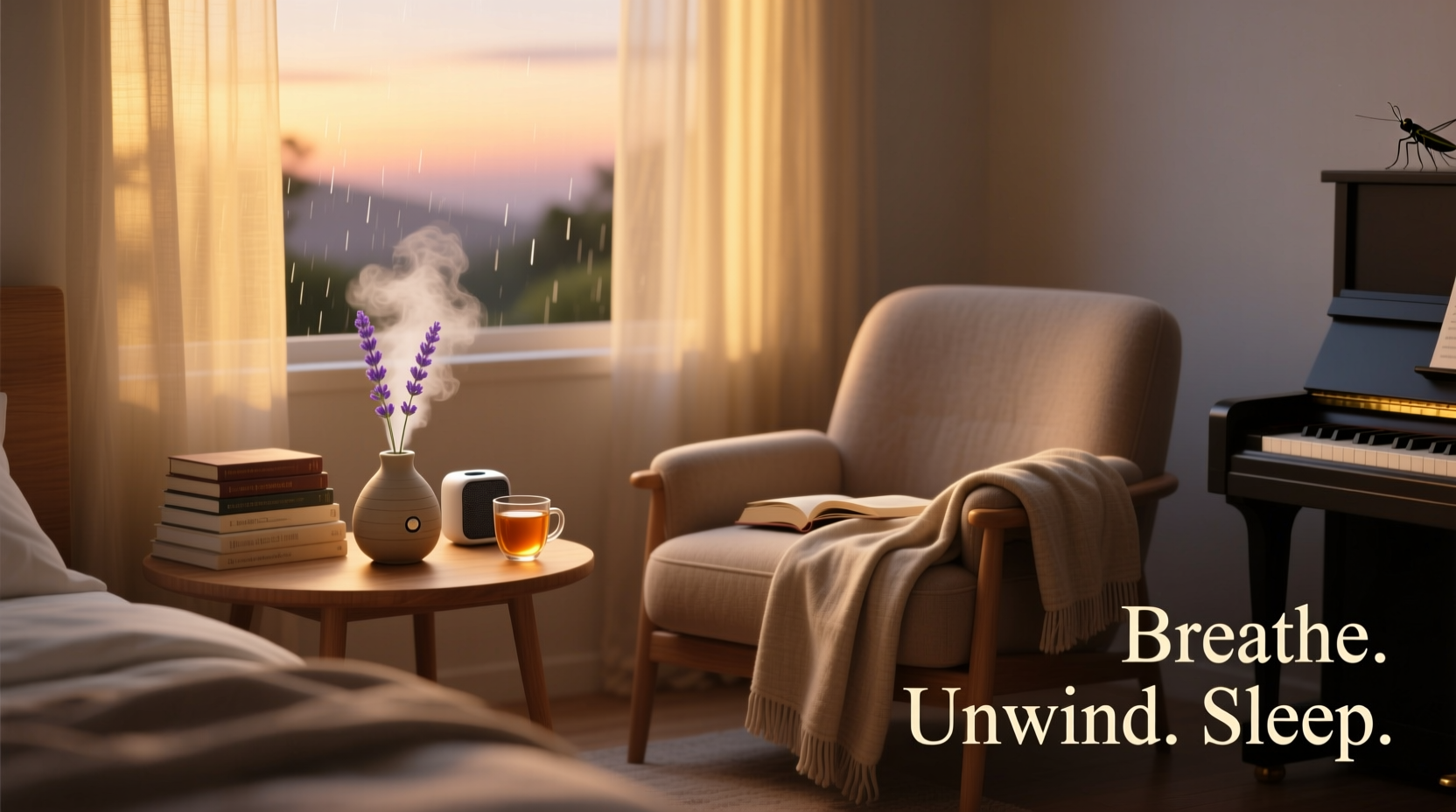
Olfaction—the sense of smell—has a unique and direct pathway to the limbic system, the part of the brain responsible for emotions, memory, and arousal. Unlike other senses, smells bypass the thalamus and go straight to this emotional control center. This explains why a familiar fragrance can instantly evoke calm or nostalgia, making scent an ideal tool for sleep preparation.
Lavender is the most widely studied essential oil for sleep support. A 2015 study published in *Nursing in Critical Care* found that participants exposed to lavender aroma before bed experienced significantly improved sleep quality, slower heart rates, and lower blood pressure. Other effective oils include:
- Chamomile: Known for its mild sedative effect due to apigenin, a compound that binds to benzodiazepine receptors in the brain.
- Bergamot: Reduces anxiety without drowsiness, making it ideal for those who struggle with nighttime rumination.
- Cedarwood: Contains cedrol, which has been shown to slow breathing and promote drowsiness.
- Ylang ylang: Helps regulate heart rate and reduce stress hormones like cortisol.
It’s important to use high-quality, pure essential oils diluted properly or diffused safely. Synthetic fragrances may irritate the respiratory system and counteract relaxation efforts.
How Sound Influences Sleep Architecture
Just as scent communicates directly with the brain’s emotional centers, sound shapes our physiological state. The human nervous system responds profoundly to rhythm, frequency, and volume. Harsh noises—like traffic, notifications, or sudden sounds—activate the sympathetic nervous system, triggering fight-or-flight responses even during sleep. Conversely, gentle, predictable sounds engage the parasympathetic nervous system, encouraging rest and digestion.
White noise, pink noise, and brown noise each offer distinct benefits:
| Noise Type | Frequency Profile | Best For |
|---|---|---|
| White Noise | Equal intensity across all frequencies (e.g., static) | Masking abrupt sounds; infants and light sleepers |
| Pink Noise | Lower frequencies emphasized (e.g., rustling leaves, steady rain) | Deepening slow-wave sleep; improving memory consolidation |
| Brown Noise | Even deeper bass tones (e.g., thunder, waterfalls) | Calming anxiety; grounding overstimulated minds |
Studies have shown that playing pink noise during sleep can enhance deep sleep stages by synchronizing brainwaves. One experiment at Northwestern University found that older adults who listened to timed bursts of pink noise performed better on memory tests the next day—proof that sound doesn’t just help you fall asleep, but also improves sleep quality.
“Soundscapes act as auditory anchors. When repeated nightly, they condition the brain to associate specific frequencies with safety and rest.” — Dr. Lena Patel, Neurologist & Sleep Specialist
Step-by-Step Guide to Building Your Sensory Bedtime Routine
A successful bedtime routine isn’t about complexity—it’s about consistency and intentionality. Follow this seven-step timeline to build a calming ritual using scent and sound:
- 90 Minutes Before Bed – Dim the Lights and Begin Transition
Reduce blue light exposure by turning off screens or switching to warm-toned lighting. This supports melatonin production. Begin diffusing a calming essential oil blend (e.g., 3 drops lavender + 2 drops cedarwood). - 60 Minutes Before Bed – Gentle Movement or Stretching
Engage in light yoga or stretching while listening to soft instrumental music or nature sounds. This combines physical release with auditory relaxation. - 45 Minutes Before Bed – Warm Bath or Shower with Aromatherapy
Add 5–10 drops of essential oil to Epsom salts or a carrier oil and mix into bathwater. Alternatively, place a few drops on a washcloth near the shower floor (away from direct water) to let steam disperse the scent. - 30 Minutes Before Bed – Set Your Sound Environment
Start playing your chosen sound profile—pink noise, a guided meditation, or ambient forest sounds—at low volume. Use a dedicated speaker or app with a sleep timer set for 60–90 minutes. - 15 Minutes Before Bed – Mindful Breathing with Focused Scent
Sit comfortably and inhale deeply from an essential oil inhaler or a linen spray applied lightly to your pillow. Pair each breath with a slow count: inhale for four seconds, hold for four, exhale for six. - 5 Minutes Before Bed – Final Check-In
Spray a room mist with chamomile and bergamot around your bedroom. Ensure sound is playing steadily and lights are off. Let your body sink into the mattress. - At Sleep – Maintain Subtle Sensory Support
Allow sound to continue softly through the night if needed. Avoid strong scents that might disrupt breathing. Consider a weighted blanket for added tactile comfort.
Common Mistakes to Avoid
Even well-intentioned routines can backfire if misapplied. Here are frequent pitfalls and how to avoid them:
| Do’s | Don’ts |
|---|---|
| Use a diffuser with intermittent settings to prevent olfactory fatigue | Overuse essential oils—more is not better and can cause headaches |
| Choose non-lyrical music or nature recordings to avoid cognitive engagement | Play podcasts or audiobooks with narratives that stimulate the mind |
| Test sound volume during relaxation to ensure it’s soothing, not distracting | Set volume too high; aim for background presence, not focus |
| Wash bedding regularly to prevent buildup of allergens and old scent residues | Leave diffusers running unattended overnight without timers |
Real-Life Example: Sarah’s Transformation
Sarah, a 34-year-old project manager in Chicago, struggled with insomnia for years. Her mind raced with work emails and to-do lists, making it nearly impossible to unwind. She tried supplements and sleep apps, but nothing created lasting change—until she redesigned her evenings around scent and sound.
She began diffusing a custom blend of lavender and vetiver one hour before bed and replaced her late-night scrolling with 20 minutes of seated meditation accompanied by brown noise. Within two weeks, she noticed she was falling asleep 30 minutes earlier on average. After a month, her sleep tracker showed a 22% increase in deep sleep duration.
“It wasn’t magic,” she said. “It was repetition. My brain started associating that earthy scent and low hum with safety. Now, if I hear that sound, even during the day, I feel my shoulders drop.”
Your Personalized Nightly Checklist
To make integration effortless, follow this printable-style checklist every evening:
- ☑ Turn off bright lights and switch to warm, dim lighting
- ☑ Diffuse a calming essential oil blend (lavender, chamomile, or cedarwood)
- ☑ Take a warm bath or shower with aromatherapy additives
- ☑ Begin playing pink or brown noise, ambient music, or nature sounds
- ☑ Practice 5 minutes of deep breathing with focused inhalation of scent
- ☑ Lightly mist pillow and bedroom air with natural linen spray
- ☑ Set sound timer to auto-off after 90 minutes (optional)
- ☑ Get into bed and allow sensory cues to guide you into rest
Consistency is key. Aim to follow this routine at least five nights a week for optimal conditioning.
Frequently Asked Questions
Can I use candles instead of a diffuser?
Yes, but with caution. Scented candles can provide ambiance and aroma, but ensure they are made from natural waxes (like soy or beeswax) and cotton wicks to avoid releasing toxins. Never leave a burning candle unattended. For safer alternatives, consider reed diffusers or electric aroma warmers that don’t require flames.
Is it safe to use essential oils every night?
When used properly, most essential oils are safe for nightly use. However, always dilute them appropriately and monitor for skin sensitivity or respiratory irritation. Rotate oils every few weeks to prevent overexposure. Pregnant individuals or those with asthma should consult a healthcare provider before regular use.
What if I don’t like strong smells?
You don’t need intense aromas to benefit. Subtle diffusion—just enough to notice when you breathe deeply—is often more effective. Try linen sprays applied sparingly or wearable scent jewelry that releases minimal fragrance. The goal is gentle sensory signaling, not overpowering perfume.
Create Calm That Sticks
A restful night doesn’t happen by accident. It’s built through small, deliberate choices that honor your body’s need for rhythm and reassurance. By weaving scent and sound into your evening, you’re not just creating a routine—you’re building a sanctuary. These sensory cues become quiet allies, guiding your mind away from chaos and toward stillness.
Start tonight. Choose one scent and one sound. Commit to using them together for ten minutes before bed. Repeat. Notice the shifts—not just in your sleep, but in your sense of control, peace, and presence. Over time, your bedroom will transform into a haven where rest isn’t forced, but invited.




 浙公网安备
33010002000092号
浙公网安备
33010002000092号 浙B2-20120091-4
Comments
No comments yet. Why don't you start the discussion?